
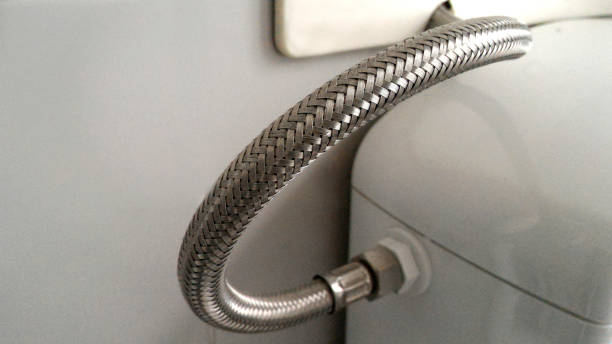
1. Introduction: Why Reinforced Braid Hose Stands Out for Strength and Reliability
In a world where durability, performance, and safety are critical in plumbing, automotive, and industrial systems, the reinforced braid hose emerges as a dependable solution. Designed to handle high pressures and resist wear over time, this type of hose has become a go-to choice across many sectors. Whether it’s transferring fluids in demanding environments or ensuring leak-proof connections, reinforced braid hoses offer unmatched strength without compromising flexibility. In this article, we’ll explore what makes them so robust, their key features, common uses, and practical buying considerations. If you're looking for a hose that lasts, performs, and adapts, this guide is for you.
2. Frequently Asked Questions (FAQ)
1. What is a reinforced braid hose used for?
Reinforced braid hoses are commonly used for fluid transfer in plumbing, irrigation, automotive systems, and industrial machinery. Their braided structure gives them the strength needed for high-pressure applications.
2. What makes reinforced braid hose stronger than regular hoses?
The braided layer, typically made from stainless steel, polyester, or nylon, surrounds the inner hose and distributes pressure evenly. This prevents bulging, cracking, or bursting, even under extreme conditions.
3. Can reinforced braid hose be used with both hot and cold liquids?
Yes, most reinforced braid hoses are designed to handle a wide temperature range, making them suitable for hot water systems, steam, or even chemical transfer, depending on the material used.
4. How long does a reinforced braid hose last?
With proper installation and usage, a quality reinforced braid hose can last several years. Some high-grade models even exceed ten years of reliable performance, especially in controlled environments.
5. Is it difficult to install reinforced braid hose?
Not at all. In fact, installation is relatively straightforward. The hose maintains its shape well and connects easily with standard fittings, reducing the risk of leaks and minimizing maintenance needs.
3. Definition and Key Characteristics of Reinforced Braid Hose
A reinforced braid hose is a flexible hose that includes one or more braided layers within its structure. These layers act like armor, protecting the inner tube while providing mechanical strength. The braiding material is typically selected based on the required application, with popular options including:
- Stainless steel: Offers superior strength, corrosion resistance, and heat tolerance.
- Polyester: Lightweight, flexible, and cost-effective for general-purpose use.
- Nylon: Excellent flexibility and impact resistance with moderate pressure performance.
Some of the defining features of reinforced braid hoses include:
- High Pressure Tolerance: The braided layer prevents the hose from expanding under pressure.
- Abrasion Resistance: Braided materials protect against physical damage and wear.
- Temperature Resistance: Suitable for both hot and cold liquids depending on construction.
- Flexibility: Despite their strength, these hoses maintain a flexible form for easy routing.
- Leak Prevention: Their structure helps maintain a tight seal around fittings.
These features make the reinforced braid hose a reliable component in any system where performance and strength are essential.
4. Common Applications and Industries
Reinforced braid hoses are versatile and find their way into many fields. Their ability to handle pressure, motion, and environmental challenges makes them essential across:
Plumbing and Water Systems
In residential and commercial plumbing, reinforced braid hoses are used to connect faucets, toilets, and washing machines. Their resistance to water pressure surges and temperature fluctuations makes them a safe and efficient choice.
Automotive Industry
In vehicles, these hoses are used for fuel lines, brake systems, and coolant transfers. Their durability ensures they withstand engine heat, vibration, and continuous movement without degradation.
Industrial Machinery
Factories and workshops rely on reinforced braid hoses for air compressors, hydraulic systems, and chemical transfer. Their strong build supports high-performance machines operating under constant pressure.
Food and Beverage Processing
Food-grade reinforced hoses are used to transport liquids like milk, juices, and oils. Their easy-to-clean surfaces and resistance to bacteria make them suitable for hygienic applications.
Irrigation and Agriculture
Farmers and greenhouse operators use reinforced hoses to distribute water and fertilizers. These hoses perform well under long exposure to the sun, pressure, and occasional mechanical stress.
Across all these industries, one thing remains constant: the need for a hose that won’t fail when it matters most.
5. Materials Matter: Choosing the Right Hose for the Job
Not all reinforced braid hoses are built the same. Understanding the differences in construction can help you select the right one.
- Inner Tube Material: Usually made from rubber (EPDM, NBR), PVC, or silicone. Each material affects flexibility, chemical resistance, and temperature tolerance.
- Braided Layer: Determines the hose’s durability. Stainless steel offers the highest resistance, while polyester is more budget-friendly for light-duty uses.
- Outer Coating: May be added to enhance UV resistance or add another protective barrier.
When choosing a hose, always consider:
- The type of fluid it will carry
- Maximum operating pressure
- Exposure to heat, chemicals, or sunlight
- Expected movement or vibration
These factors will guide you toward a reinforced hose that not only fits your system but lasts longer with fewer issues.
6. Installation Tips for Maximum Longevity
Proper installation helps you get the most out of your reinforced braid hose. Here are some simple tips:
- Measure Accurately: Don’t overstretch or bend the hose sharply.
- Use the Right Fittings: Match your fittings in size and material to prevent leaks or corrosion.
- Avoid Twisting: Keep the hose straight during installation to avoid internal stress.
- Secure It Properly: Use clamps or brackets where necessary to prevent movement.
- Regular Checks: Inspect for signs of wear, such as cracks or rust, and replace if needed.
Following these tips ensures safe operation and prolongs the hose’s service life.
7. Comparing Reinforced Braid Hose with Other Hose Types
It helps to understand how reinforced braid hoses differ from other common types.
| Hose Type | Pressure Resistance | Flexibility | Durability | Cost |
|---|---|---|---|---|
| Reinforced Braid Hose | High | Medium | Very High | Moderate |
| Regular Rubber Hose | Medium | High | Medium | Low |
| PVC Hose | Low | Medium | Low | Very Low |
| Stainless Steel Hose | Very High | Low | Very High | High |
| Silicone Hose | Medium | Very High | Medium | High |
This comparison clearly shows that reinforced braid hoses strike a balance between performance, cost, and ease of use, making them a smart choice in many situations.
8. Conclusion: Reinforced Braid Hoses Offer Strength Without Compromise
Reinforced braid hoses are engineered for reliability. Their inner flexibility combined with outer strength gives them a unique advantage over traditional hoses. Whether you're dealing with high-pressure water, chemicals, or compressed air, these hoses hold up under pressure—literally.
From plumbing and automotive to industry and agriculture, their applications are broad and proven. Choosing the right hose material and following proper installation steps will ensure long-lasting, leak-free performance.