
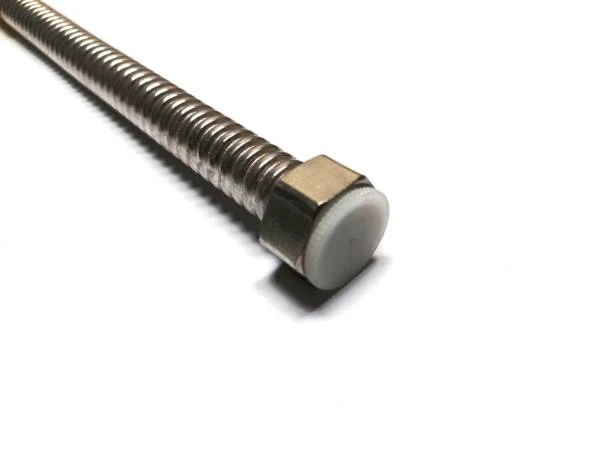
In recent years, the demand for silicone braided hoses has surged across a wide range of industries. Their unique combination of flexibility, durability, and resistance to high temperatures makes them ideal for applications where traditional hoses often fall short. From manufacturing machinery to food processing, and from laboratories to automotive systems, silicone braided hoses continue to demonstrate their value. This article explores the reasons behind this growing demand, providing clear explanations, real-world applications, and essential product insights for decision-makers and technical buyers alike.
Frequently Asked Questions (FAQ)
1. Why is the demand for silicone braided hoses increasing across industries?
The growing demand stems from their superior temperature resistance, non-toxic properties, long service life, and compatibility with various fluids. Industries are shifting toward more reliable and cost-effective materials, and silicone braided hoses meet these expectations.
2. How does a silicone braided hose differ from a standard silicone hose?
A silicone braided hose features a reinforced layer, typically made of polyester or fiberglass, that is woven into the hose structure. This braiding provides added pressure resistance and mechanical strength, unlike standard hoses, which are more suited for low-pressure applications.
3. Are silicone braided hoses safe for food-grade or medical use?
Yes, many silicone braided hoses are manufactured to meet FDA, USP Class VI, or BfR standards, making them safe for contact with consumables and body fluids. They are commonly used in food processing, beverage dispensing, and medical equipment.
4. Can silicone braided hoses handle chemical exposure?
While silicone is not universally resistant to all chemicals, it handles a wide variety of fluids, including water, oils, and some acids and alkalis. For aggressive chemicals, specific formulations of silicone are available, depending on the application.
5. What factors should I consider when choosing a silicone braided hose?
Key factors include operating temperature, pressure rating, chemical compatibility, regulatory standards (such as FDA or ISO), and the required flexibility. Understanding the specific demands of your system is crucial for selecting the right hose.
Basic Definition and Key Characteristics
A silicone braided hose is a type of flexible tubing made from silicone rubber and reinforced with an internal braided layer, usually of polyester or fiberglass. This construction allows the hose to withstand higher internal pressures while maintaining flexibility and heat resistance.
The outer and inner layers are made of high-purity silicone elastomer, which is known for its chemical inertness and thermal stability. The braided layer provides added mechanical strength and pressure resistance, making the hose suitable for both dynamic and static applications.
Some of the key features include:
- Temperature Resistance: Silicone braided hoses can typically operate from -60°C to +200°C, and in some cases even higher. This makes them ideal for high-temperature applications like steam or hot fluid transfer.
- Transparency or Color Options: Depending on the grade, hoses may be transparent for easy visual inspection or colored to differentiate product lines or fluid types.
- Non-toxic and Odorless: They do not leach or react with most substances, making them perfect for pharmaceutical, food, and beverage use.
- Flexibility: Even with the internal braiding, these hoses maintain excellent bendability, making them easy to route through tight mechanical assemblies.
- Longevity: Silicone has a high fatigue resistance and does not crack or degrade easily, even in tough environments.
- Customization: Manufacturers often offer options like wall thickness, inner diameter, reinforcement material, and surface finish to meet specific needs.
Common Uses and Industry Applications
As industries evolve and place higher demands on system components, silicone braided hoses are being adopted in more settings. Their reliability, compliance with health and safety standards, and ability to handle challenging conditions explain this wide-ranging use.
1. Food and Beverage Industry
One of the biggest sectors driving the demand for silicone braided hoses is the food and beverage industry. These hoses ensure safe fluid transport without contamination. Whether it’s transferring milk, wine, or brewing beer, the non-toxic and odorless nature of silicone ensures that product quality remains intact. Many facilities also value the hose’s ability to withstand frequent sterilization, both with steam and chemicals.
2. Pharmaceutical and Medical Sector
In medical laboratories and pharmaceutical manufacturing, silicone braided hoses are often used to transfer liquids, air, or other sterile substances. Their biocompatibility, clarity, and ability to endure autoclaving make them an essential component in these hygiene-sensitive environments. Hospitals and biotech firms often choose braided silicone for respiratory devices, IV systems, and peristaltic pumps.
3. Automotive and Mechanical Engineering
Under-the-hood applications in modern vehicles demand hoses that can tolerate high heat and vibration. Silicone braided hoses serve in cooling systems, turbocharger lines, and hydraulic circuits. Their resistance to oil and heat helps reduce failure rates and improves engine reliability. Performance vehicle builders and OEMs frequently rely on braided silicone solutions for both durability and aesthetics.
4. Industrial Equipment and Machinery
In manufacturing environments, where fluid handling systems must work continuously under variable pressure, silicone braided hoses provide a safe and efficient conduit for air, coolants, and light chemicals. Their resistance to ozone, UV, and aging also adds to their long-term cost-effectiveness in automated equipment and robotics.
5. Cosmetics and Personal Care Production
Many cosmetics and skincare manufacturers require hoses that meet health and cleanliness standards for moving viscous creams, lotions, or gels. Silicone braided hoses, with their smooth inner walls and sanitary properties, help maintain product consistency during transfer while avoiding material retention or contamination.
6. Home Brewing and Laboratory Use
Smaller-scale users such as craft brewers or university labs also rely on silicone braided hoses for transferring liquids with accuracy and cleanliness. These environments demand transparent hoses with easy sterilization and chemical resistance, both of which silicone provides.
Market Demand Drivers and Trends
Several key factors are pushing the growing global demand for silicone braided hoses:
- Increased Focus on Hygiene and Safety: Post-pandemic shifts in food, pharma, and medical sectors have elevated safety standards, driving the adoption of certified silicone components.
- Regulatory Compliance Needs: Manufacturers now prioritize hoses that meet global standards like FDA, RoHS, and REACH, making silicone braided hoses a default choice.
- Growth in Process Automation: As industrial automation expands, reliable components like silicone braided hoses become essential for fluid and air handling systems.
- Environmental Sustainability: Silicone hoses last longer and reduce the frequency of replacements, which aligns with sustainability goals in manufacturing and production.
- Innovation in Material Technology: Advances in silicone compound development are enhancing hose properties, such as anti-static grades for electronics and improved flexibility for tight installations.
Summary
The silicone braided hose has become a trusted solution for industries requiring high-performance fluid transfer systems. Its unique characteristics — including flexibility, heat resistance, safety, and durability — have contributed to growing demand across mechanical, food, pharmaceutical, and industrial sectors. As the need for reliable, long-lasting, and compliant components continues to rise, silicone braided hoses will remain an essential part of modern fluid handling systems.
For buyers, engineers, and procurement professionals, understanding the applications and selecting the right specifications will ensure long-term value and system efficiency. As industries evolve, the silicone braided hose proves itself time and again as a reliable and essential choice.
Would you like a version focused on another keyword like "braided silicone hose for high pressure" or tailored for a specific industry (e.g., medical or automotive)?