
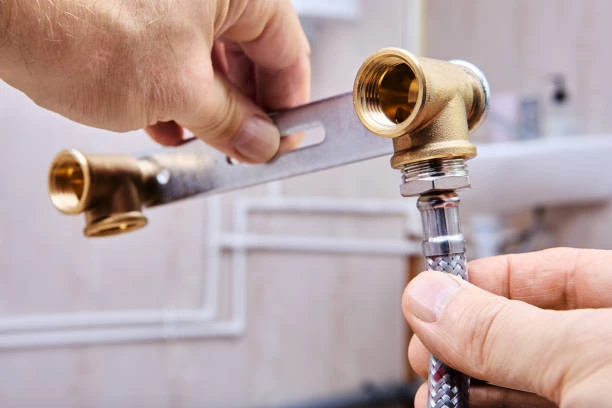
Selecting the right hose is only half the battle; ensuring a secure, leak-proof connection is equally critical for system integrity, safety, and performance. Metal pipe braid hoses, renowned for their durability and high-pressure capability, demand specific connection methods to fully leverage their benefits. These hoses, often featuring a stainless steel braid reinforcement, excel in demanding environments, but their effectiveness hinges on proper coupling techniques. A robust connection ensures optimal flow, prevents failures, and maintains the hose's resistance to abrasion, chemicals, and extreme temperatures. This comprehensive guide explores the world of connections for metal pipe braid hoses, detailing common coupling types, installation best practices, and key selection criteria. We will define what makes these hoses unique, answer frequently asked questions, and examine how connection choices impact their use across various industries. Understanding this crucial aspect will empower you to build safer, more reliable, and more efficient fluid and pneumatic systems.
Basic Definition and Key Characteristics
A metal pipe braid hose is a flexible conduit designed for performance in challenging conditions. Its typical construction consists of a smooth inner tube, which can be made from materials like thermoplastics or synthetic rubbers, surrounded by a reinforcing braid of high-tensile metal wire, most commonly stainless steel. This braided layer acts as a supportive skeleton, containing internal pressure and providing exceptional resistance to mechanical stress, while the inner tube ensures compatibility with the conveyed medium.
Defining Characteristics of The Metal Pipe Braid Hose
- High Pressure Resistance: The metal braid allows the hose to withstand significant internal pressure, often ranging from 0.6 to 4.0 MPa or higher depending on its construction. Connections must be equally robust, using mechanical locking mechanisms or permanent bonds that can contain this force without leaking or detaching. Crimped fittings are particularly effective for this, creating a permanent, high-pressure seal.
- Flexibility and Bend Radius: While the hose itself is flexible, the connection point is inherently rigid. The choice of fitting must account for this transition to avoid stress concentration that could lead to fatigue failure at the hose end. The connection should not impede the hose's ability to achieve its minimum bending radius, which is crucial for absorbing vibration and movement.
- Material Compatibility: The materials of the fittings must be compatible with both the fluid being conveyed and the hose material itself to prevent galvanic corrosion or chemical degradation at the critical connection point. Common fitting materials include stainless steel (e.g., 304, 316), brass, and carbon steel, often chosen to match the braid material and fluid type.
- Temperature Tolerance: Connections must maintain their seal and mechanical strength across the same wide temperature range as the hose, which can be from -40°C to over 200°C, and in some specialized hoses even from -196°C to 420°C. This requires careful selection of seals and gasket materials within the fittings.
- Durability and Environmental Resistance: The fitting should offer corrosion and wear resistance comparable to the hose's stainless steel braid, ensuring longevity even in harsh environments.
Common Uses and Application Industries
The application largely dictates the required connection type, emphasizing factors like pressure, vibration, temperature, and the need for disassembly. Metal pipe braid hoses with their appropriate connections are vital components in numerous sectors.
- Automotive and Transportation Industry: In fuel lines, brake systems, power steering, and coolant lines, connections are paramount for safety and reliability. Here, crimped fittings are often the standard.
- Industrial Automation and Pneumatics: For compressed air lines powering tools, machinery, and automated equipment, push-to-connect fittings are extremely popular due to their tool-free installation and disassembly, facilitating quick maintenance and system reconfiguration. Barbed fittings secured with constant-tension clamps are also common for lower-pressure air and coolant lines.
- Chemical and Petrochemical Processing: Systems handling chemicals, solvents, fuels, and aggressive media often use flanged connections or threaded fittings (e.g., NPT, BSPP) made from corrosion-resistant materials like stainless steel (304, 316, 316L). These provide a strong, sealed interface for connecting hoses to pumps, tanks, reactors, and other equipment, ensuring containment and safety.
- Mobile Hydraulic Equipment: Agriculture and construction machinery (e.g., tractors, excavators) use crimped or reusable threaded fittings to connect hoses in hydraulic systems. These connections must withstand high pressure, extreme temperature swings, and constant vibration and shock from the equipment operation.
Frequently Asked Questions (FAQ)
1. What are the main types of fittings used with metal pipe braid hoses?
The most common types include crimped fittings for permanent, high-pressure hydraulic and automotive systems; push-to-connect fittings for quick, tool-free assembly in pneumatics; barbed fittings secured with clamps for lower-pressure applications; flanged connections for large-diameter, high-flow industrial piping hose styles.
2. Can I use standard worm-drive hose clamps with a metal pipe braid hose?
For low-pressure applications, you might use a barbed fitting paired with a constant-tension clamp, but it is generally not recommended for medium to high pressures.
3. How do I ensure a leak-proof and safe connection?
First, always select the correct fitting type and material for your specific pressure, temperature, and fluid application. Then, ensure proper installation. For push-to-connect fittings, push the hose in straight until it bottoms out. For barbed fittings, push the hose on fully past the barb and use a proper clamp.
4. Is it necessary to use a special tool for connections?
It depends entirely on the fitting type. Push-to-connect and some barbed fittings require no tools. However, crimped fittings absolutely require a calibrated crimping machine to ensure a safe and reliable permanent connection.
5. Can I reconnect a hose after cutting off an old fitting?
Yes, but only if you use a fitting specifically designed for that purpose. Push-to-connect and reusable threaded fittings allow for this. However, a hose end that was previously crimped cannot be re-crimped. You must cut off the old crimped fitting and install a brand new one on a fresh, undamaged section of hose to ensure integrity.
Conclusion
In the world of high-performance fluid and pneumatic systems, the connection is far more than a simple accessory; it is a fundamental component that dictates overall system safety, reliability, and efficiency. Whether the priority is the quick-disconnect capability for maintenance, the absolute security of a crimped fitting for high-pressure hydraulics.
Investing time in selecting the right coupling based on operational demands and meticulously following precise installation guidelines pays significant dividends in reduced downtime, enhanced safety, and long-term cost savings. Remember, the strength of your system is only as good as its connections.