
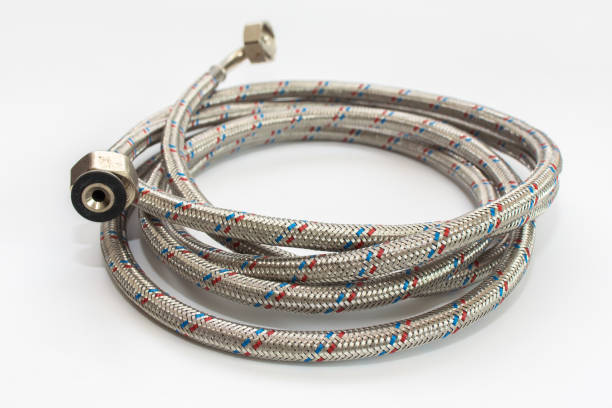
Introduction: Understanding the Process and Power of Reinforced Braid Hose
Reinforced braid hoses play an essential role in modern fluid transfer systems. Their strength lies not only in the materials used but also in the intricate craftsmanship and engineering that go into their construction. From residential plumbing to industrial applications, these hoses deliver high performance, flexibility, and long-lasting durability. This article explores the manufacturing process, defines the key features, answers frequently asked questions, and highlights where these hoses shine the most.
Frequently Asked Questions (FAQ)
1. What makes reinforced braid hoses stronger than standard hoses?
They feature an inner tube layered with a braided mesh—often stainless steel or synthetic fiber—that significantly enhances pressure resistance and durability.
2. Are all reinforced hoses made using the same process?
No, different industries may require variations in materials and braiding techniques depending on pressure, temperature, and chemical exposure requirements.
3. Can I use reinforced braid hoses for both hot and cold fluids?
Yes, their multi-layer design makes them suitable for both hot and cold fluid systems, as long as the temperature range falls within the hose’s specification.
4. How long do these hoses typically last?
With proper use, a high-quality reinforced braid hose can last five to ten years or longer, depending on environmental conditions and maintenance.
5. Are these hoses easy to install?
Absolutely. Most reinforced braid hoses are designed for user-friendly installation, often with flexible ends or pre-fitted connectors for added convenience.
Definition and Key Features of Reinforced Braid Hose
A reinforced braid hose consists of multiple layers designed to manage high pressure and deliver reliable fluid transport. Typically, it includes:
- Inner Tube: Often made of rubber, PVC, silicone, or PTFE, this layer carries the fluid.
- Braided Layer: A mesh of stainless steel, polyester, or aramid fibers wrapped around the tube provides reinforcement.
- Outer Cover: This protects the hose from abrasions, UV rays, and chemicals, further extending its lifespan.
Each component serves a distinct function, but it’s the braiding technique that forms the backbone of strength. The braiding can be single or double-layered, with variations tailored to suit mechanical stress levels and environmental exposure.
The Craftsmanship and Engineering Behind the Hose
The manufacturing process of reinforced braid hoses is both technical and precise. It begins with selecting the right base materials based on the hose’s intended application. The core tube is first extruded or molded, depending on the material.
Next comes the braiding phase. Specialized machinery wraps the hose in interwoven strands of fiber or metal in a crisscross pattern. The braid angle, density, and material affect the hose's flexibility and pressure rating. A tighter braid offers better burst resistance, while a looser weave provides more flexibility.
After braiding, the outer cover is either extruded directly over the braiding or layered on using heat-sealing techniques. For some industrial applications, the cover is chemically bonded for enhanced resistance to solvents or extreme temperatures.
Throughout production, quality control plays a critical role. Hoses undergo pressure testing, bending tests, and chemical exposure simulations to ensure they meet industry and safety standards.
Common Applications and Industries
Reinforced braid hoses appear across a wide range of industries, each benefiting from their versatility and reliability. Some key applications include:
- Plumbing and Sanitation: Ideal for connecting faucets, toilets, and water heaters where constant pressure and temperature variation occur.
- Automotive Industry: Used in fuel systems, cooling lines, and hydraulic applications due to their high resistance to vibration and pressure.
- Food and Beverage Manufacturing: FDA-grade hoses with food-safe inner linings help transfer liquids while maintaining hygiene.
- Chemical Processing Plants: Their resistance to corrosion and aggressive fluids makes them suitable for conveying acids, bases, and solvents.
- HVAC Systems: They help manage both hot and cold refrigerants and fluids efficiently under variable pressures.
Each industry benefits from the hose’s flexibility, pressure endurance, and resistance to wear, making it a staple component in numerous systems.
Performance Advantages Through Superior Craftsmanship
The engineered braiding system brings several performance benefits:
- Pressure Control: Reinforced braid hoses withstand much higher internal pressures than non-reinforced variants, making them reliable under stress.
- Flexibility with Strength: The braided layer allows the hose to bend without kinking, ideal for confined spaces or moving systems.
- Temperature Resistance: Depending on the inner material and outer covering, these hoses can perform well across a wide range of temperatures.
- Abrasion and Chemical Resistance: Thanks to durable outer layers, these hoses resist cuts, punctures, and chemical degradation.
- Extended Lifespan: Properly crafted hoses reduce the need for frequent replacements, saving time and operational costs.
This combination of features results in products that perform consistently in both demanding industrial environments and household installations.
Final Thoughts
Reinforced braid hoses owe their strength and versatility to a well-crafted balance of materials and mechanical precision. Their structure allows them to serve in high-pressure, high-temperature, and high-flexibility environments with ease. Whether you’re working on a car engine, plumbing a kitchen sink, or designing chemical equipment, these hoses provide a dependable solution built on thoughtful engineering and robust craftsmanship.
When choosing the right hose, consider not just the specifications, but also how the underlying braiding process impacts performance. In doing so, you ensure a longer-lasting and more efficient fluid transfer system.
If you need assistance selecting or sourcing high-quality reinforced braid hoses for your project, IFAN is here to help with expertly crafted solutions tailored to your needs.