
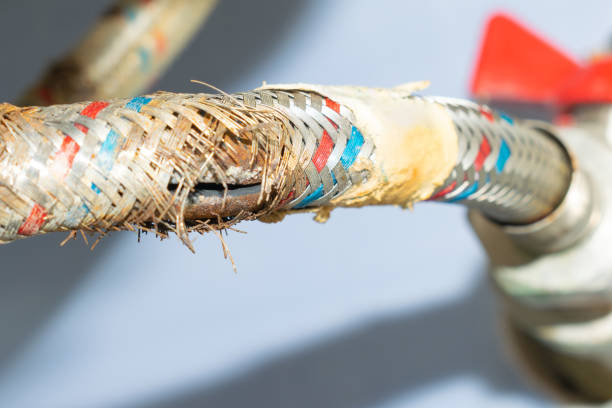
Metal pipe braid hoses represent one of the most versatile and reliable solutions for demanding fluid and gas transfer applications across numerous industries. These specialized hoses combine the flexibility of polymer materials with the strength of metal reinforcement, creating a unique product that outperforms standard hoses in challenging environments. Understanding the distinct characteristics of metal pipe braid hoses is essential for engineers, maintenance professionals, and procurement specialists who need to select the right hose for specific applications. This comprehensive guide examines the key features that define these hoses, explores their operational advantages, addresses common questions, and illustrates their widespread industrial applications. By thoroughly understanding these characteristics, professionals can make informed decisions that ensure system reliability, safety, and optimal performance in even the most demanding conditions.
Basic Definition and Key Characteristics
A metal pipe braid hose is a sophisticated engineering product consisting of three primary components: an inner tube, a reinforcement layer, and an optional outer cover. The inner tube, typically made from materials like PTFE, rubber, or other polymers, provides chemical compatibility and fluid conveyance. The defining characteristic is the metal braid reinforcement, usually crafted from stainless steel wires, which provides exceptional strength and durability. This construction creates a hose that maintains flexibility while offering performance characteristics far exceeding those of standard hoses or even solid metal piping.
The key characteristics that distinguish metal pipe braid hoses include several critical attributes. These hoses demonstrate exceptional pressure resistance, capable of handling working pressures that would cause standard hoses to fail catastrophically. The stainless steel braid reinforcement enables them to withstand both high internal pressures and external crushing forces, making them ideal for hydraulic applications and other high-pressure systems. They maintain excellent flexibility despite their metal components, allowing for easier installation in tight spaces and providing natural vibration dampening that rigid pipes cannot offer.
Temperature resistance represents another standout characteristic, with these hoses performing reliably in environments ranging from cryogenic conditions to extreme heat exceeding 500°F. The metal braid provides outstanding abrasion resistance, protecting the inner tube from external wear and significantly extending service life in challenging environments. Chemical compatibility is carefully engineered through material selection, ensuring resistance to oils, fuels, chemicals, and other aggressive media. Additionally, these hoses offer superior fire resistance compared to fully polymeric hoses, making them suitable for applications where fire safety is a concern.
Common Uses and Application Industries
Metal pipe braid hoses serve critical functions across diverse industries where their unique characteristics provide essential solutions to challenging application requirements. In automotive and transportation applications, these hoses are indispensable in brake systems, power steering, fuel lines, and turbocharger connections. Their ability to withstand high pressures, temperature fluctuations, and constant vibration makes them ideal for vehicle applications where reliability is paramount. The aerospace industry relies on them for hydraulic systems, fuel transfer, and environmental control systems, where their combination of strength and flexibility meets stringent safety and performance requirements.
Industrial manufacturing extensively utilizes metal braid hoses in hydraulic systems for heavy machinery, injection molding equipment, and metal pressing machines. They handle high-pressure hydraulic fluids while resisting the abrasion and chemical exposure common in factory environments. The chemical processing industry depends on these hoses for transferring aggressive chemicals, solvents, and corrosive materials, where their leak-resistant properties and chemical compatibility prevent dangerous releases and ensure operational safety.
In oil and gas operations, metal pipe braid hoses are essential for high-pressure applications including drilling operations, refinery processes, and fuel transfer systems. They handle crude oil, natural gas, and various petrochemical products while resisting extreme pressures and environmental challenges. The power generation industry uses them in steam lines, coolant systems, and hydraulic controls for turbines, where their temperature and pressure capabilities ensure reliable operation in critical systems.
Food and beverage processing applications employ specially designed metal braid hoses with food-grade inner cores for high-temperature processing, steam applications, and clean-in-place systems. Marine and offshore applications benefit from their corrosion resistance and durability in ship engine rooms, hydraulic systems, and offshore drilling platforms. Even in renewable energy sectors, these hoses find application in solar thermal systems, geothermal applications, and biomass energy production, where their environmental resistance and durability support sustainable energy generation.
Frequently Asked Questions (FAQ)
1. What makes metal pipe braid hoses different from standard hydraulic hoses?
Metal pipe braid hoses differ significantly in their construction and performance characteristics. While standard hydraulic hoses use textile or wire reinforcement, metal braid hoses feature a woven stainless steel braid that provides superior pressure resistance, better temperature performance, and enhanced durability.
2. How does the metal braiding affect the hose's flexibility and minimum bend radius?
The metal braiding provides an excellent balance between strength and flexibility. While adding some stiffness compared to unreinforced hoses, the braided design maintains significant flexibility while supporting much higher pressure ratings. The minimum bend radius is carefully engineered during manufacturing and varies by hose size and pressure rating.
3. What types of fluids and gases are metal pipe braid hoses suitable for?
These hoses are suitable for a wide range of media including hydraulic oils, fuels, chemicals, steam, compressed air, and various gases. The specific compatibility depends on the inner tube material selection.
4. How do temperature extremes affect metal braid hose performance?
Metal braid hoses handle temperature extremes exceptionally well. The stainless steel braid maintains its structural integrity across a wide temperature range, while the inner tube material determines the overall temperature resistance.
5. What installation considerations are unique to metal pipe braid hoses?
Installation requires attention to several key factors. The hose should not be twisted during installation, as this can weaken the braid structure. Proper support and clamping are essential to prevent excessive movement that could lead to wear at connection points.
Conclusion
Metal pipe braid hoses represent a remarkable fusion of flexibility and strength, offering unique characteristics that make them indispensable in countless industrial applications. Their combination of high-pressure capability, temperature resistance, chemical compatibility, and durability provides solutions to engineering challenges that neither solid piping nor standard hoses can adequately address. The sophisticated construction of these hoses, blending polymer technology with metal reinforcement, creates a product that delivers reliable performance in the most demanding environments.
Understanding these characteristics enables professionals to select the right hose for specific applications, ensuring optimal performance, safety, and cost-effectiveness. The initial investment in quality metal pipe braid hoses often proves economical through extended service life, reduced downtime, and prevention of costly failures. As technology advances, manufacturers continue to improve these products with better materials, more precise engineering, and enhanced performance characteristics.
The versatility of metal pipe braid hoses ensures their continued relevance across industries ranging from automotive manufacturing to chemical processing, energy production, and beyond. Their ability to handle extreme conditions while maintaining flexibility and reliability makes them a critical component in modern industrial systems. By appreciating the full range of characteristics these hoses offer and following proper selection, installation, and maintenance practices, engineers and maintenance professionals can maximize the benefits of these exceptional products while ensuring safe and efficient operation of their fluid and gas transfer systems.