
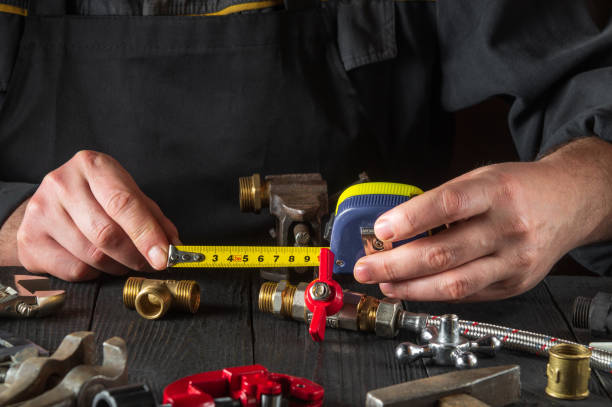
Wire braided hoses are a critical component in modern construction, offering unmatched durability, flexibility, and pressure resistance for demanding building applications. These hoses consist of an inner rubber or thermoplastic tube reinforced with tightly woven steel wire, providing superior strength while maintaining the necessary flexibility for dynamic construction environments. From concrete pumping to hydraulic machinery, wire braided hoses ensure efficient fluid transfer under high pressure, making them indispensable in infrastructure projects, high-rise construction, and heavy equipment operations. This guide explores their key features, construction-specific applications, and answers common questions to help builders and engineers select the right hose for their projects.
What Is a Wire Braided Hose?
A wire braided hose is a high-performance flexible tube designed to withstand extreme pressure, vibration, and mechanical stress. It features an inner core—typically made of synthetic rubber, PTFE (Teflon), or thermoplastic—reinforced with one or more layers of braided steel wire. This construction provides excellent burst resistance while allowing the hose to bend without kinking, making it ideal for construction equipment and fluid transfer systems that require both strength and flexibility.
Key Features of Wire Braided Hoses in Construction
- High Pressure Resistance – Construction-grade wire braided hoses handle pressures from 600 PSI to 6,500 PSI, depending on the number of braid layers (1-wire or 2-wire).
- Abrasion & Impact Resistance – The steel braiding protects against wear from rough surfaces, debris, and constant movement in construction sites.
- Flexibility & Bend Radius – Single-braid hoses allow tight bends (as low as 1.5 inches for ¼" hoses), crucial for confined spaces in building projects.
- Temperature Tolerance – They operate effectively between -40°F to +250°F (-40°C to 120°C), suitable for outdoor construction in varying climates.
- Chemical & Weather Resistance – Resistant to oils, hydraulic fluids, and UV degradation, ensuring longevity in harsh environments.
Common Construction Applications of Wire Braided Hoses
Wire braided hoses serve essential roles across multiple construction scenarios due to their adaptability and resilience.
1. Concrete Pumping & Spraying
- High-Pressure Concrete Delivery: Steel braided hoses withstand the abrasive nature of wet concrete and high pumping pressures (up to 3,000 PSI).
- Shotcrete Applications: Their flexibility allows precise spraying in tunnel construction and structural reinforcement.
2. Hydraulic Systems in Heavy Machinery
- Excavators & Cranes: 2-wire braided hoses handle hydraulic fluid transfer under extreme pressures (up to 6,500 PSI).
- Bulldozers & Pile Drivers: Their vibration dampening reduces stress on fittings in high-impact operations.
3. Plumbing & HVAC Systems
- Water & Gas Supply Lines: Stainless steel braided hoses prevent leaks in high-rise buildings, with pressure ratings up to 10 BAR.
- Refrigerant Lines: They handle coolants without permeation issues in HVAC installations.
4. Demolition & Earthmoving
- Hydraulic Breakers & Drills: Resistant to rock and debris abrasion, ensuring long service life in demolition work.
- Dump Trucks & Loaders: Reinforced hoses manage hydraulic fluid transfer in off-road construction vehicles.
Frequently Asked Questions (FAQ)
1. How long do wire braided hoses last in construction applications?
With proper maintenance, they typically last 5–10 years in heavy construction use. However, exposure to extreme abrasion (e.g., rock drilling) may shorten lifespan to 2–3 years.
2. Can wire braided hoses replace steel pipes in construction?
Yes, for applications requiring flexibility and vibration absorption, such as connecting heavy machinery to hydraulic systems. They compensate for misalignment and reduce fatigue in dynamic setups.
3. What’s the difference between 1-wire and 2-wire braided hoses?
- 1-Wire: Handles 600–3,200 PSI, ideal for lighter construction equipment and water lines.
- 2-Wire: Supports 1,600–6,500 PSI, used in high-pressure hydraulics for cranes and excavators.
4. Are wire braided hoses safe for potable water in buildings?
Only if specifically rated for drinking water (e.g., NSF-61 certified). Standard hydraulic hoses are not suitable for potable systems.
5. How do I prevent premature hose failure on construction sites?
- Avoid kinking or exceeding bend radius during installation.
- Protect hoses from UV exposure and chemical spills.
- Conduct quarterly inspections for abrasions and leaks.
Conclusion
Wire braided hoses are indispensable in modern construction, offering a perfect balance of strength, flexibility, and durability for high-pressure fluid transfer. From concrete pumping to heavy machinery hydraulics, their ability to withstand harsh job site conditions ensures reliable performance in critical applications. By selecting the appropriate hose type—considering pressure ratings, bend radius, and environmental factors—construction professionals can optimize efficiency while minimizing downtime. As building technologies advance, wire braided hoses continue to evolve, incorporating materials like thermoplastic coatings for even greater abrasion resistance. Whether for skyscraper plumbing or earthmoving equipment, these hoses remain a cornerstone of safe and efficient construction operations.