
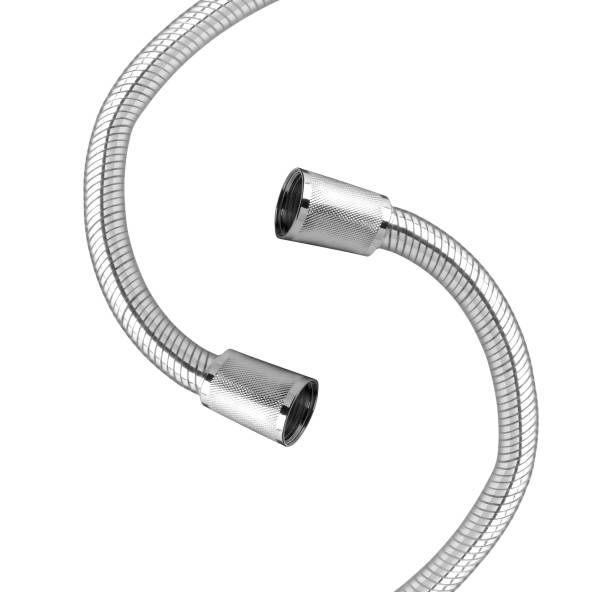
However, with their critical applications in sectors such as pharmaceuticals, food processing, and high-temperature fluid transfer, simply manufacturing these hoses is not enough. Thorough testing ensures that silicone braided hoses meet strict safety, quality, and performance standards before reaching the end user. From pressure endurance to chemical resistance, various tests validate their suitability across demanding environments. This article provides a clear and practical guide to silicone braided hose testing, explaining its importance, common test types, and relevant industry applications.
Frequently Asked Questions (FAQ)
1. Why is testing important for silicone braided hoses?
Testing verifies the hose's ability to handle pressure, heat, chemicals, and repeated flexing. It ensures performance consistency, compliance with regulations, and safe operation in critical systems.
2. What types of tests are usually done on silicone braided hoses?
Manufacturers often perform burst pressure tests, tensile strength evaluations, elongation tests, heat resistance testing, chemical compatibility assessments, and visual inspections.
3. Are all silicone braided hoses tested the same way?
Not exactly. Testing requirements vary based on the hose’s intended application. For example, medical-grade hoses undergo biocompatibility tests, while food-grade hoses are tested for odor transfer and FDA compliance.
4. How do I know if a hose meets quality standards?
Look for certifications such as FDA, USP Class VI, ISO 10993, or RoHS. Manufacturers often provide test reports and quality assurance documentation upon request.
5. Can I perform basic tests myself before installation?
You can conduct basic visual checks for defects, measure the diameter for proper fit, and perform light pressure tests. However, comprehensive testing should be done at the manufacturing stage with proper equipment.
Understanding Silicone Braided Hoses and Their Key Features
Silicone braided hoses are flexible tubing products made of silicone rubber reinforced with a polyester or stainless-steel braid. This structure allows the hose to withstand both internal pressure and external mechanical stress. The silicone material offers excellent thermal stability, high purity, and resistance to aging and environmental factors. The braid, on the other hand, provides strength and kink resistance.
Some of the defining features of silicone braided hoses include:
- Temperature resistance: Usually rated between -60°C and +200°C.
- Non-reactive surface: Ideal for transferring fluids in sterile or chemical-sensitive applications.
- Transparency: Makes visual monitoring of fluid flow possible.
- Flexibility and bend radius: Suitable for compact or dynamic installations.
- Pressure capacity: Enhanced by the braided reinforcement.
Because of these properties, silicone braided hoses have become indispensable in industries where high performance and reliability are essential.
Common Tests Performed on Silicone Braided Hoses
To ensure that silicone braided hoses meet their performance specifications, manufacturers carry out a series of rigorous tests. Each test targets a different aspect of hose performance, making sure that the final product can withstand real-world operating conditions.
1. Burst Pressure Test
This test checks the maximum internal pressure a hose can handle before it bursts. It is critical in applications where hoses are used to transport pressurized fluids.
2. Tensile Strength and Elongation
The tensile test evaluates the hose material’s resistance to being pulled apart. It also measures elongation, which indicates how much the material can stretch before breaking. These parameters help determine if the hose can withstand mechanical stress during use.
3. Heat Aging Test
Silicone hoses must maintain performance over long periods at high temperatures. In heat aging tests, samples are placed in ovens for prolonged durations to simulate long-term thermal exposure.
4. Compression Set Test
This test checks the hose’s ability to return to its original shape after being compressed. A high compression set may indicate poor sealing ability, which is undesirable in fluid systems that rely on tight connections.
5. Chemical Resistance Test
Since silicone braided hoses are often used to transport chemicals, manufacturers test their resistance to a wide range of substances such as acids, alkalis, and solvents.
6. Visual Inspection and Dimensional Checks
These basic tests include looking for surface defects like bubbles, cracks, or discoloration. Dimensional checks ensure consistency in internal diameter, wall thickness, and overall length to guarantee fit and function.
7. Leachability and Extractables (for Medical/Food Use)
Hoses intended for medical or food-grade use must not release harmful substances. Specific tests identify extractable particles or chemical compounds that might migrate into the transported fluid, especially at high temperatures.
Key Applications That Rely on Silicone Hose Testing
Many industries use silicone braided hoses for different purposes, but what they all have in common is the need for reliable performance. Testing plays a key role in making these hoses fit for their specific roles.
1. Medical and Pharmaceutical Industry
Here, hoses are used for fluid transfer, bioprocessing, and laboratory equipment. Testing for biocompatibility, sterility, and chemical resistance ensures patient safety and compliance with health standards.
2. Food and Beverage Processing
Silicone braided hoses handle liquids such as syrups, dairy products, and alcoholic beverages. Taste neutrality, non-toxicity, and easy cleaning are critical, and testing confirms FDA or EU food safety compliance.
3. Chemical and Laboratory Settings
In laboratories or chemical plants, hoses must tolerate aggressive chemicals and high-pressure flows. Chemical resistance testing is essential to prevent leaks or degradation.
4. Automotive and Aerospace
These sectors demand hoses that can perform under pressure and temperature extremes. Heat aging, vibration testing, and tensile strength assessments are common in this field.
5. Industrial Machinery
In automated equipment or production lines, hoses must resist wear from frequent motion and long operating hours. Endurance and fatigue testing ensures long service life.
The Role of Quality Standards and Certifications
These benchmarks help buyers assess product reliability and suitability for their specific application.
Key standards include:
- FDA CFR 177.2600: Ensures safety for food-grade materials.
- USP Class VI: Required for medical-grade tubing.
- ISO 10993: Covers biocompatibility testing.
- RoHS and REACH: Ensure hoses are free of restricted toxic substances.
When choosing a silicone braided hose, it is important to confirm that the product meets at least the minimum regulatory and testing requirements relevant to its use.
Conclusion
It ensures that the hose can deliver consistent, safe, and reliable performance under varying conditions. From burst pressure to chemical resistance, each test plays a role in confirming the product's durability and suitability for specific environments. Whether used in pharmaceuticals, food processing, or industrial machinery, a properly tested silicone braided hose protects systems, products, and people alike. Buyers should always look for hoses that come with detailed test reports and certifications to guarantee quality and compliance. By understanding the role of testing, businesses can make more informed choices and ensure long-term success in their operations.