

1. Introduction: Why Braided Rubber Hose Is Essential in Construction
In the fast-paced world of construction, materials and tools must offer not only strength but also versatility and long-term efficiency. One such indispensable component is the braided rubber hose. Known for its excellent durability and flexibility, this hose type plays a vital role in ensuring smooth operations on construction sites.This article explores their relevance in construction, highlights key features, and explains how they improve project efficiency and safety.

2. Frequently Asked Questions (FAQ)
1. What is a braided rubber hose used for in construction?
It is used for delivering water, air, or fluids to power tools, machinery, and cooling systems.
2. How does a braided rubber hose improve construction safety?
Its high-pressure tolerance and burst resistance minimize leaks and failures, reducing workplace hazards.
3. Can braided rubber hoses withstand extreme site conditions?
Yes, they are built to handle high pressure, abrasive surfaces, and temperature changes typically found on construction sites.
4. How long do braided rubber hoses last in construction applications?
Depending on use and quality, they can last several years with proper maintenance, even in tough conditions.
5. Are braided rubber hoses compatible with heavy-duty machinery?
Yes, they are often used to connect compressors, pneumatic tools, and hydraulic systems in construction equipment.
3. Definition and Key Features of Braided Rubber Hose
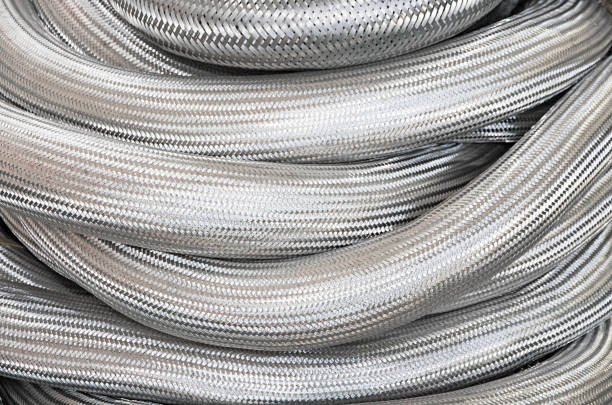
A braided rubber hose is a flexible pipe made from layers of synthetic or natural rubber, reinforced with one or more layers of braided materials such as polyester, nylon, or stainless steel. This design helps the hose resist internal pressure while remaining flexible enough for easy installation and use.
Key features include:
- High Pressure Resistance: The braided layer increases strength and prevents bursting.
- Flexibility: Unlike rigid pipes, these hoses can be bent and adjusted around obstacles.
- Abrasion Resistance: The outer layer often includes coatings to resist wear and tear from dragging across rough surfaces.
- Thermal Stability: Many are suitable for a wide temperature range, ideal for both cold-weather and high-heat environments.
- Chemical Compatibility: They can transport fluids like oils, coolants, and fuels without degrading.
These characteristics make braided rubber hoses especially suitable for complex and demanding construction tasks.
4. Common Uses and Applications in the Construction Industry
Construction sites involve many moving parts, from heavy machinery to manual labor.
Water Supply
For concrete mixing, dust suppression, and cleaning purposes, reliable water delivery is critical. Braided rubber hoses efficiently transport water across the site.
Compressed Air Lines
Air-powered tools like jackhammers, nail guns, and drills require strong and flexible hoses to maintain pressure without leaks. The braided design prevents collapse and ensures smooth air delivery.
Hydraulic Systems
Some heavy construction equipment operates on hydraulic systems. Braided rubber hoses transport hydraulic fluids under pressure to enable movement in cranes, lifts, and excavators.
Fuel and Lubricant Transfer
On-site generators and vehicles often need fast refueling or oil changes. Hoses compatible with oil and fuel allow safe and efficient transfer.
Concrete Pumping
In specialized cases, rubber hoses help transfer wet concrete to hard-to-reach areas, offering both flexibility and pressure control.
These diverse functions highlight how essential the braided rubber hose is in construction—serving as a reliable channel for various materials across critical stages of a project.
5. Advantages in Construction Environments
Braided rubber hoses offer several distinct benefits that directly improve construction workflows and safety.
Improved Efficiency
The ability to transport materials quickly and safely translates to less downtime and more productivity on-site.
Simplified Installation
Thanks to their flexibility, these hoses are easier to route than rigid piping, saving installation time and labor costs.
Enhanced Durability
Reinforced braiding provides the mechanical strength needed for frequent movement, bending, and exposure to equipment or terrain.
Low Maintenance
Because they resist corrosion, heat, and abrasions, they require fewer replacements and repairs over time.
Versatility
One hose can handle multiple applications, from pneumatic tools to fluid transfer, reducing the number of components needed on-site.
These strengths collectively contribute to a safer, faster, and more cost-effective construction process.
6. How to Select the Right Braided Rubber Hose for Construction
Choosing the appropriate braided rubber hose depends on several factors related to the intended application.
- Pressure Rating: Always select a hose that can handle the maximum operating pressure of your system.
- Temperature Range: Ensure the hose can perform under the site’s expected temperature conditions.
- Inner Diameter: Match the diameter to the flow requirements of your equipment or tools.
- Material Compatibility: Verify that the hose material resists the specific fluids or gases being transported.
- Length and Flexibility: Consider the total distance and routing complexity when determining the ideal length and bend radius.
Always consult the manufacturer’s specifications and industry standards for safety and performance guidelines.
7. Installation Tips for Construction Use
To ensure optimal performance, follow these simple yet important installation tips:
- Inspect Before Use: Check the hose for visible damage, kinks, or wear before each use.
- Use Proper Fittings: Secure the hose with compatible connectors and clamps to prevent leaks.
- Avoid Sharp Bends: Maintain a proper bend radius to prevent internal stress or cracking.
- Keep Away from Hot Surfaces: Protect hoses from direct contact with hot equipment or materials.
- Anchor Securely: When routing across long distances or elevated surfaces, fix the hose in place to prevent accidental movement.
Proper installation reduces failure risks and extends hose lifespan on construction sites.
8. Conclusion: A Reliable Choice for Modern Construction Projects
In summary, the braided rubber hose is a high-performance solution that significantly enhances the efficiency, safety, and flexibility of construction operations. Its durable construction, adaptability to various tools and fluids, and resistance to harsh site conditions make it an irreplaceable component on any building site.
As construction continues to evolve and adopt more advanced tools and practices, components like the braided rubber hose remain essential for delivering consistent performance across applications. Whether you're managing a small renovation or a large infrastructure project, investing in quality braided hoses ensures smoother workflows and fewer disruptions.