
1. Introduction: What Makes Metal Braided Hoses So Important?
Metal braided hoses play a vital role in various industrial, commercial, and even residential settings. Their function goes beyond simply transporting fluids or gases—they help absorb vibrations, accommodate movement, and reduce noise.
Whether you're sourcing components for a large-scale installation or seeking a reliable solution for fluid transfer, understanding the role of metal braided hoses can guide your decision-making process.
2. FAQ: Common Questions About Metal Braided Hoses
1. What is the main function of a metal braided hose?
The primary function is to provide flexible connections that can handle high pressure, temperature variations, and vibration, all while securely transporting liquids or gases.
2. Are metal braided hoses suitable for high-temperature applications?
Yes, they are often used in environments where extreme heat is present, thanks to their stainless steel braiding and durable inner core.
3. Can these hoses be used in residential plumbing?
Absolutely. They are commonly used for water heaters, dishwashers, and faucet connections where a secure and flexible link is required.
4. Do metal braided hoses reduce vibration and noise?
Yes, one of their critical functions is to absorb vibration and reduce operational noise in machinery and piping systems.
5. Are there specific industries where metal braided hoses are preferred?
Yes, they are heavily used in the chemical, automotive, HVAC, food processing, and marine industries due to their durability and safety features.
3. Basic Definition and Key Features
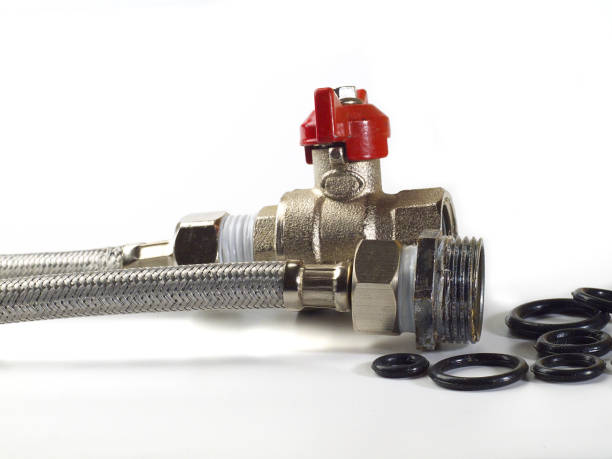
Metal braided hoses consist of an inner hose—often made of PTFE, rubber, or stainless steel—and an outer braid made from stainless steel wire. This combination gives the hose high strength while maintaining flexibility.
Some of their most distinctive features include:
- Pressure Resistance: The braided reinforcement allows the hose to withstand high internal pressures.
- Temperature Tolerance: Depending on the core material, these hoses can endure temperatures ranging from -70°C to over 300°C.
- Corrosion Resistance: Stainless steel braiding protects against corrosion and external damage.
- Flexibility and Vibration Absorption: Their design allows them to bend and flex while dampening vibration.
- Longevity: Properly installed and maintained hoses can last for years, reducing replacement frequency.
These characteristics make metal braided hoses a reliable and long-term solution in fluid and gas transfer systems.
4. Common Uses and Applications
Because of their robust metal braided hoses a wide array of applications:
Industrial Applications
Their resistance to extreme conditions and aggressive media makes them ideal for industrial fluid systems.
HVAC Systems
In heating, ventilation, and air conditioning, metal braided hoses provide safe and flexible connections to pumps, boilers, and chillers. Their ability to absorb vibration helps protect equipment and prolong its life.
Automotive Sector
Their high-pressure tolerance is essential in automotive engineering.
Residential and Commercial Plumbing
Homeowners and contractors use metal braided hoses for faucet hookups, water heater lines, and toilet connections.
5. Additional Benefits of Metal Braided Hoses
Beyond their basic functionality, metal braided hoses offer several secondary advantages:
- Safety: Their high burst strength minimizes the risk of accidents caused by hose failure.
- Efficiency: They maintain flow even under tight bending conditions, which helps optimize system performance.
- Customizability: They are available in various diameters, lengths, and pressure ratings to meet specific application needs.
- Maintenance-Friendly: Visual inspections are often enough to detect early signs of wear, making preventive maintenance easier.
All these qualities contribute to reducing operational costs and downtime.
6. How to Choose the Right Metal Braided Hose
When selecting a metal braided hose for your project, consider the following:
- Media Type: What kind of fluid or gas will flow through the hose?
- Pressure Rating: Does the hose meet the required working and burst pressure?
- Temperature Range: Will the hose withstand the operating temperature conditions?
- Flexibility Needs: Will the hose need to accommodate movement or vibration?
- Certification and Standards: Ensure compliance with industry-specific regulations such as ISO, ASTM, or UL.
Choosing a hose that matches your specific needs ensures safety, durability, and efficient performance.
7. Installation Tips
Proper installation is critical to maximize the performance and lifespan of a metal braided hose:
- Use correct fittings and ensure tight connections without over-tightening.
- Avoid sharp bends near fittings to prevent stress.
- Secure the hose to reduce vibration transmission.
- Allow room for expansion or contraction caused by temperature changes.
- Inspect and test the system after installation to confirm there are no leaks or weak points.
8. Conclusion
In summary, the function of a metal braided hose goes far beyond being a simple conduit for fluids or gases. Its unique construction makes it indispensable in systems where flexibility, strength, and resistance to extreme conditions are crucial. From industrial machinery to household appliances, metal braided hoses provide a reliable, cost-effective, and safe solution for diverse applications.
By understanding their role, benefits, and usage scenarios, you can make more informed decisions when choosing hoses for your project. Whether you're managing a manufacturing plant, designing a plumbing system, or upgrading your HVAC unit, metal braided hoses are a practical and powerful tool that ensures long-lasting performance.