

Introduction
When it comes to building or renovating a plumbing system, pipe size plays a crucial role in performance and efficiency. The 2 inch PPR pipe has become a popular choice for homeowners and contractors alike, thanks to its balanced flow capacity, ease of installation, and long-lasting durability. Large enough to handle moderate water demand but compact enough for most residential spaces, it is often the “sweet spot” in home plumbing projects. This guide will walk you through everything you need to know about the 2 inch PPR pipe — from its features and uses to installation tips and comparisons with other pipe sizes.
FAQ: Common Questions About 2 Inch PPR Pipe
1. Why choose a 2 inch PPR pipe for home plumbing?
It provides sufficient water flow for multiple fixtures without taking up excessive space, making it ideal for medium-sized homes.
2. Can a 2 inch PPR pipe handle hot water?
Yes. PPR pipes can safely transport hot water up to 95°C, making them perfect for both hot and cold water systems.
3. Is the 2 inch size suitable for main water lines?
Yes, it is often used as a main line for small to medium homes or as a branch line in larger buildings.
4. How long does a 2 inch PPR pipe last?
With proper installation, it can last up to 50 years without significant degradation.
5. Do I need special fittings for a 2 inch PPR pipe?
Yes, you must use matching PPR fittings of the same size to ensure a secure, leak-free connection.

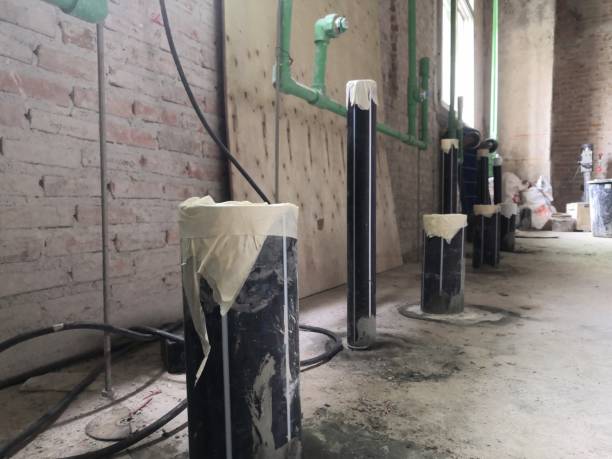
Definition and Key Features of 2 Inch PPR Pipe
The 2 inch PPR pipe refers to a pipe with a nominal diameter of 2 inches, made from Polypropylene Random Copolymer (PPR). It is designed for reliable water transport in both residential and commercial settings.
Key features include:
- Medium flow capacity: Perfect for balancing water pressure and consumption.
- Durability: Resistant to scaling, corrosion, and chemical attack.
- High temperature tolerance: Handles hot water without softening or deforming.
- Smooth interior surface: Minimizes friction losses and prevents clogging.
- Non-toxic material: Safe for drinking water supply.
- Long lifespan: Up to 50 years under normal conditions.
Common Uses of 2 Inch PPR Pipe
The versatility of the 2 inch PPR pipe makes it suitable for a variety of residential and light commercial applications:
- Main water supply line – Delivering water from the source to distribution points in a home.
- Hot and cold water systems – Supplying bathrooms, kitchens, and laundry areas.
- Small-scale irrigation – For gardens, lawns, and small agricultural plots.
- Swimming pool systems – Circulating and filtering water efficiently.
- HVAC water lines – For heating or cooling systems in residential properties.
Buying Guide: How to Choose a 2 Inch PPR Pipe
When selecting a 2 inch PPR pipe, consider the following factors:
- Material grade
Choose pipes made from premium PPR raw material for better durability. - Pressure rating
Check the PN rating (e.g., PN16, PN20). Higher ratings indicate greater resistance to pressure, ideal for hot water or multi-story buildings. - Color options
Common colors include green, white, and gray. While performance is the same, some customers prefer specific colors for aesthetic or project standards. - Certifications
Look for ISO or DIN certifications to ensure compliance with quality standards. - Fittings availability
Make sure matching fittings are available for your installation to avoid compatibility issues. - Supplier reliability
Buy from trusted wholesalers or manufacturers to ensure consistent product quality.
Installation Tips for 2 Inch PPR Pipe
Proper installation ensures the pipe’s performance and longevity:
- Use a fusion welding tool for joining pipes and fittings.
- Cut pipes cleanly to avoid uneven edges that can affect the seal.
- Control heating time during welding to prevent joint damage.
- Avoid sharp bends that may restrict water flow.
- Test the system for leaks before full operation.
- Store pipes indoors or under cover to protect from UV rays before installation.
2 Inch PPR Pipe vs Other Pipe Sizes
| Feature | 2 Inch PPR Pipe | 1 Inch PPR Pipe | 3 Inch PPR Pipe |
|---|---|---|---|
| Flow capacity | Medium – ideal for most homes | Low – better for small branches | High – for large buildings or main lines |
| Space requirement | Moderate | Minimal | Large |
| Cost | Moderate | Low | High |
| Common use | Main residential line, hot/cold water | Bathrooms, kitchens | Industrial or large-scale supply |
| Installation ease | Easy with proper tools | Very easy | Slightly more challenging due to size |
From this comparison, the 2 inch PPR pipe stands out as the perfect balance between flow capacity, cost, and ease of installation for home plumbing systems.
Conclusion
The 2 inch PPR pipe is a highly practical choice for home plumbing, offering enough flow for daily needs without being overly bulky or expensive. With its durability, heat resistance, and ease of installation, it has become the preferred option for both homeowners and contractors. By choosing quality materials, matching fittings, and following proper installation practices, you can enjoy a reliable plumbing system that will last for decades.