
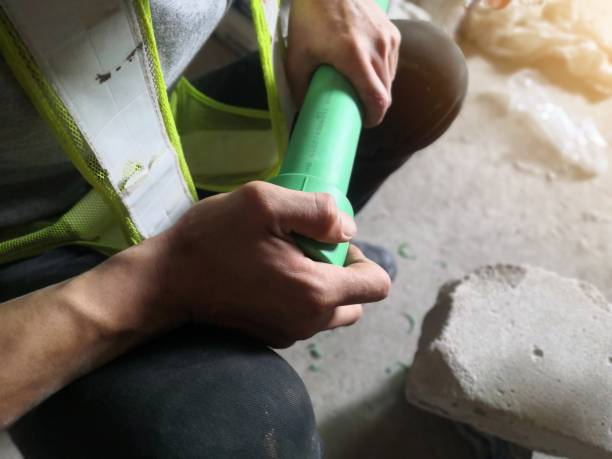
Introduction: Understanding PPR Pipe Fusion in Minutes
PPR pipe fusion is a reliable and widely used method for joining polypropylene random copolymer (PPR) pipes in plumbing and heating systems. It ensures a strong, seamless connection that minimizes leaks and maximizes durability. Whether you're a contractor, engineer, or DIY enthusiast, understanding PPR pipe fusion gives you an advantage in choosing and installing modern piping systems. This quick-start guide explains everything from the basics and benefits to installation tips and product selection, helping you master the process with confidence.
Frequently Asked Questions (FAQ)
1. What is PPR pipe fusion?
PPR pipe fusion is a heat-based technique that joins two PPR pipes using a fusion welding machine. It creates a permanent bond without glue or threads.
2. What temperature is used for fusing PPR pipes?
The typical fusion temperature is between 250°C and 270°C, depending on pipe size and machine settings.
3. Is PPR pipe fusion suitable for both hot and cold water?
Yes, PPR is ideal for both hot and cold water systems due to its excellent heat and pressure resistance.
4. Do I need a special tool for PPR pipe fusion?
Yes. A PPR pipe welding machine (also called a fusion tool or socket fusion welder) is essential for proper joint formation.
5. How long does it take to cool after fusing?
It usually takes 30–60 seconds for the joint to cool and form a strong connection. Always follow the manufacturer’s guidelines.


What Is PPR Pipes Fusion: Definition and Key Features
PPR pipe fusion refers to the thermofusion method of connecting PPR pipes and fittings. The process involves heating both pipe and fitting surfaces to a specific temperature, then pressing them together to form a homogeneous, leak-proof joint.
Key Features:
- Heat fusion creates seamless connections with no risk of corrosion or leakage.
- Joints become integral parts of the pipe system, not weak points.
- PPR material offers chemical resistance, low thermal conductivity, and long service life (over 50 years under normal conditions).
- The process is non-toxic and eco-friendly, making it ideal for drinking water systems.
Common Applications and Industries
PPR pipe fusion is used in a wide range of sectors thanks to its durability, hygiene, and resistance to high temperatures and pressures.
Main Applications:
- Residential plumbing: Hot and cold water distribution
- Commercial buildings: HVAC systems, compressed air lines
- Industrial facilities: Chemical transport, process piping
- Healthcare: Sterile water systems
- Agriculture: Irrigation and water transport
- Renewable energy: Solar water heating systems
Its adaptability makes PPR pipe fusion a go-to choice in both new installations and retrofits.
Buying Guide: What to Look for in PPR Fusion Pipes and Fittings
Selecting quality PPR products ensures system performance and long-term reliability. Here’s what to consider before buying:
1. Material Quality
- Choose virgin PPR (Type 3) for maximum strength and hygiene.
- Avoid recycled or mixed materials, which can weaken fusion joints.
2. Color
- Green and white are the most common. While color doesn't affect performance, it often reflects the manufacturer’s branding or regional standards.
3. Certifications
- Look for certifications like ISO 15874, DIN 8077/8078, or CE marking.
- Third-party testing ensures safety and compliance.
4. Fusion Compatibility
- Ensure fittings and pipes are from the same manufacturer or compatible brands.
- Matching tolerances are crucial for a proper weld.
5. Wall Thickness and Pressure Rating
- Use PN16 or PN20 rated pipes for hot water systems.
- Thicker walls provide better pressure resistance.
By evaluating these factors, you can select fusion-ready pipes that offer both safety and performance.
Installation Tips for PPR Pipes Fusion
Proper installation is vital for leak-free and long-lasting PPR systems. Follow these practical steps:
- Cut the Pipe Cleanly
- Use a pipe cutter to ensure a smooth, square edge.
- Remove Burrs
- Clean and deburr the cut ends to prevent joint damage.
- Heat Evenly
- Use a calibrated fusion tool to heat both pipe and fitting for the recommended time (e.g., 5–8 seconds for small diameters).
- Join Quickly and Straight
- Immediately push the parts together without twisting.
- Hold for 30–60 seconds to allow cooling.
- Allow Full Cooling Before Pressure Testing
- Wait 10–15 minutes before moving the pipe or conducting pressure tests.
- Check for Deformation
- Ensure there is no over-melting or misalignment at the joint.
Careful attention to these steps ensures professional results and long-term reliability.
PPR Pipes Fusion vs. Other Pipe Joining Methods (Comparison)
Here’s how PPR pipe fusion compares with other popular piping systems:
| Feature | PPR Pipe Fusion | PVC Glue Joints | Copper Soldering | PEX Crimping |
|---|---|---|---|---|
| Leak Resistance | Excellent (seamless) | Moderate (glue aging) | Good (solder can crack) | Good (if crimped well) |
| Durability | 50+ years | 20–30 years | 30–50 years | 25–40 years |
| Chemical Resistance | High | Low to moderate | Low | Moderate |
| Installation Time | Moderate | Fast | Slow | Fast |
| Tools Required | Fusion machine | Glue and cutter | Torch, solder | Crimp tool and rings |
| Health Safety | Non-toxic, BPA-free | May contain solvents | Lead-free solder preferred | Safe, but not seamless |
| Thermal Resistance | Excellent (up to 95°C) | Poor (softens over 60°C) | Excellent | Moderate (up to 82°C) |
As shown above, PPR fusion offers the best long-term performance, especially for systems with hot water or high-pressure requirements.
Conclusion: Why PPR Pipe Fusion Is the Smart Choice
Mastering PPR pipe fusion provides access to a durable, hygienic, and leak-free plumbing solution. Its strength, chemical resistance, and long life make it an excellent choice for various industries, from residential to industrial. While the fusion process requires attention and the right tools, the benefits far outweigh the learning curve.
Whether you're upgrading your home’s water lines or planning a commercial project, PPR pipe fusion offers peace of mind—delivering strong connections that last for decades. By understanding its key features, proper installation, and product selection, you’re well on your way to building systems that stand the test of time.