
Introduction
In the world of modern plumbing and heating, choosing the right piping material is crucial for system longevity and efficiency. Plastic PPR pipe have steadily gained popularity because they combine three essential qualities: they are lightweight, durable, and affordable. Thanks to advances in materials technology, these pipes deliver excellent performance across a wide range of applications. Moreover, they offer notable benefits over traditional metal or PVC pipes. In this article, we will explore the key features, common uses, buying tips, and installation guidelines for plastic PPR pipes, helping you make an informed and confident choice.
FAQ: Common Questions About Plastic PPR Pipes
1. What material are plastic PPR pipes made of?
Plastic PPR pipes are manufactured from polypropylene random copolymer, a type of thermoplastic known for its excellent chemical and temperature resistance.
2. Are plastic PPR pipes suitable for hot water systems?
Yes, these pipes safely handle hot water up to 95°C, making them ideal for residential and commercial heating applications.
3. How long is the typical lifespan of plastic PPR pipes?
With proper installation and maintenance, plastic PPR pipes can last over 50 years.
4. Are plastic PPR pipes more affordable than metal alternatives?
Generally, yes. They reduce both material and installation costs compared to metal piping.
5. Can plastic PPR pipes be recycled?
Indeed, PPR is recyclable, contributing to environmental sustainability.
Definition and Key Features of Plastic PPR Pipes
To begin with, plastic PPR pipes are pressure-rated pipes made from polypropylene random copolymer. This material provides outstanding durability and flexibility, which are critical for plumbing systems. Unlike traditional pipes, plastic PPR pipes boast several important features:
- Lightweight construction: This greatly simplifies transportation and installation.
- High durability: They resist corrosion, chemical degradation, and scaling effectively.
- Thermal resistance: Suitable for temperatures up to 95°C, accommodating both hot and cold water.
- Smooth internal surfaces: This reduces friction and prevents clogging, ensuring consistent flow rates.
- Non-toxic and safe: Ideal for potable water applications with no taste or odor transfer.
- Cost-effective: They offer lower overall project costs due to material and labor savings.
- Long service life: Properly installed systems can function efficiently for decades.
Common Uses of Plastic PPR Pipes
Moreover, plastic PPR pipes are extremely versatile. They are widely used in:
- Residential plumbing: Serving hot and cold water to bathrooms, kitchens, and laundry areas.
- Commercial buildings: Reliable piping in hotels, hospitals, and office complexes.
- Industrial systems: Transporting chemicals, compressed air, and cooling fluids safely.
- Agricultural irrigation: Efficient water delivery systems for farms and greenhouses.
- Heating applications: Circulating hot water in radiant floor heating and radiator systems.
Buying Guide: How to Choose Plastic PPR Pipes
When it comes to purchasing plastic PPR pipes, several factors deserve your attention:
- Material grade: Firstly, ensure the pipes are made from premium-grade PPR raw material to guarantee durability.
- Pressure rating: Match the PN rating (e.g., PN16, PN20) with your system’s specific pressure needs.
- Pipe diameter: Choose the correct size based on your plumbing design and flow requirements.
- Certifications: Look for compliance with international standards such as ISO 15874.
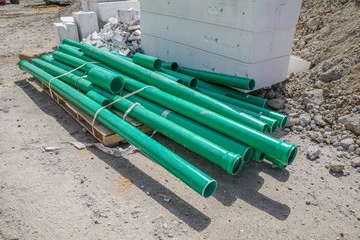
- Color coding: Pipes come in various colors—green, white, or gray—to indicate specific applications or standards.
- Supplier reputation: Finally, purchase from trusted manufacturers or distributors to ensure consistent product quality.
Installation Tips for Plastic PPR Pipes
Additionally, correct installation is essential to maximize the lifespan and reliability of plastic PPR pipe systems:
- Always use a high-quality fusion welding machine designed for PPR pipes.
- Cut pipes cleanly and squarely to ensure proper connections.
- Before welding, clean pipe ends thoroughly to remove any dirt or moisture.
- Follow manufacturer’s guidelines on heating and cooling times precisely.
- Avoid bending pipes excessively or putting undue stress on joints.
- Perform pressure testing after installation to detect any leaks early.
Plastic PPR Pipes vs Other Pipe Materials
To put it into perspective, here’s how plastic PPR pipes compare with other common pipe materials:
| Feature | Plastic PPR Pipes | PVC Pipes | Copper Pipes | Steel Pipes |
|---|---|---|---|---|
| Weight | Lightweight | Lightweight | Heavy | Very heavy |
| Durability | High resistance to corrosion and chemicals | Moderate, less heat resistant | Very high, prone to corrosion | Very high, requires maintenance |
| Temperature Range | Up to 95°C | Up to 60°C | Up to 150°C | Up to 400°C |
| Cost | Affordable | Very affordable | Expensive | Moderate to high |
| Installation Ease | Easy, fusion welding | Easy, solvent cement | Requires soldering | Welding required |
| Lifespan | Over 50 years | 20-30 years | Over 50 years | 40-50 years |
| Environmental Impact | Recyclable, low carbon footprint | Less recyclable | Energy-intensive production | High carbon footprint |
As you can see, plastic PPR pipes strike an excellent balance between performance, cost, and environmental impact.
Conclusion
In conclusion, plastic PPR pipes offer an outstanding combination of being lightweight, durable, and affordable, making them an excellent choice for a wide range of plumbing and heating applications. By choosing quality products and following recommended installation practices, you can enjoy a reliable piping system that lasts for decades. Whether you are a homeowner, contractor, or engineer, plastic PPR pipes present a modern, cost-effective solution that meets today’s demands for performance and sustainability.