
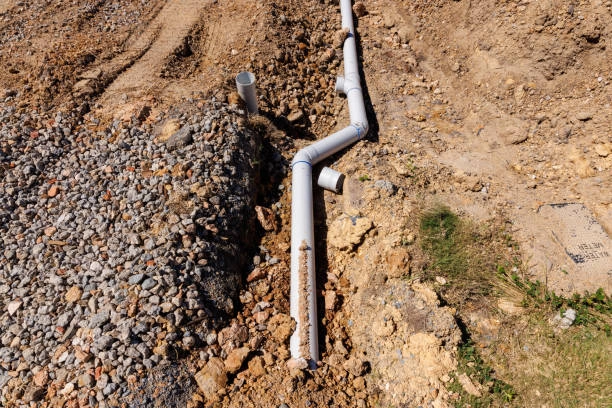
Introduction: Why 3/4 Inch CPVC Pipe Matters in Plumbing
The 3/4 inch CPVC pipes are a staple in residential and commercial plumbing systems. Thanks to its versatility, durability, and heat resistance, it serves a wide range of water supply needs. Whether you're upgrading your home plumbing or working on a commercial project, understanding the uses, benefits, and installation of 3/4 inch CPVC pipe helps you make informed decisions. This article explains the features of this essential pipe size, typical applications, buying tips, installation guidance, and how it compares with other pipes.
Frequently Asked Questions (FAQ)
1. What is the common use of 3/4 inch CPVC pipe?
It is often used for residential water supply lines, irrigation systems, and HVAC connections.
2. Is 3/4 inch CPVC pipe suitable for hot water?
Yes, CPVC pipes can handle temperatures up to 200°F, making them ideal for hot water.
3. How do I join 3/4 inch CPVC pipes?
Use CPVC primer and solvent cement for solvent welding to create strong, leak-proof joints.
4. Can 3/4 inch CPVC pipe be used outdoors?
While possible, prolonged UV exposure can degrade CPVC; UV protection is recommended.
5. How does 3/4 inch CPVC pipe compare to PVC or PEX?
CPVC offers better heat resistance than PVC and is generally more rigid than flexible PEX pipes.

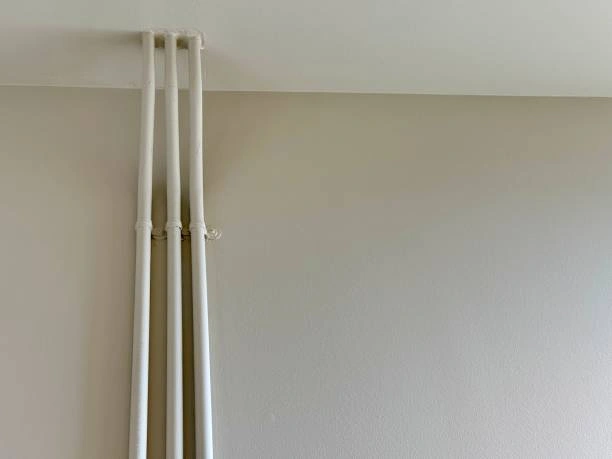
What Is 3/4 Inch CPVC Pipe? Definition and Features
The 3/4 inch CPVC pipe refers to the nominal diameter of the pipe, meaning it roughly carries water equivalent to a 3/4 inch inside diameter. CPVC (Chlorinated Polyvinyl Chloride) is a thermoplastic material enhanced with chlorine to improve heat resistance and chemical stability.
Key features include:
- High temperature tolerance up to 200°F (93°C)
- Corrosion resistance against many chemicals and minerals
- Smooth internal surface reducing pressure loss
- Lightweight and easy to handle
- Certified for potable water use under ASTM and NSF standards
These features make 3/4 inch CPVC pipes suitable for both hot and cold water plumbing systems.
Common Uses and Application Areas
Due to its size and properties, 3/4 inch CPVC pipe is commonly found in:
- Residential Water Supply: Hot and cold water lines to bathrooms, kitchens, and laundry rooms.
- Irrigation Systems: Efficient water delivery in garden and lawn watering setups.
- HVAC Systems: Circulation lines for chilled and heated water in HVAC equipment.
- Commercial Plumbing: Mid-scale water supply in offices and small commercial buildings.
- Industrial Applications: Transport of certain chemicals or water in controlled environments.
Its moderate diameter balances flow capacity and ease of installation.
Buying Guide: How to Choose the Right 3/4 Inch CPVC Pipe
Consider these when purchasing:
- Certifications: Look for ASTM D2846 and NSF 61 approvals to ensure safety and quality.
- Pipe Schedule: Choose between Schedule 40 (standard) and Schedule 80 (thicker walls, higher pressure).
- Color and Markings: Pipes typically come in cream or light yellow; clear markings indicate size and pressure rating.
- Brand Reputation: Opt for established manufacturers with quality guarantees.
- Compatibility: Ensure fittings and solvent cements match CPVC specifications.
Selecting the right pipe ensures longevity and reliable performance.
Installation Tips for 3/4 Inch CPVC Pipes
To get the best results:
- Cut Pipes Cleanly: Use a fine-toothed saw or pipe cutter, and deburr edges.
- Use Proper Primer and Cement: Apply evenly on both pipe and fitting surfaces.
- Follow Curing Times: Allow adequate drying before pressurizing the system.
- Support Pipes Properly: Space supports every 3 to 5 feet to prevent sagging.
- Manage Thermal Expansion: Include expansion loops or offsets where needed.
- Protect from UV: Avoid prolonged sun exposure or apply UV-resistant coatings outdoors.
Correct installation prevents leaks and extends pipe life.
3/4 Inch CPVC Pipe vs Other Pipes (Comparison Table)
| Feature | 3/4 Inch CPVC Pipe | PVC Pipe | Copper Pipe | PEX Pipe |
|---|---|---|---|---|
| Heat Resistance | Up to 200°F (93°C) | Up to 140°F (60°C) | Excellent | Moderate |
| Corrosion Resistance | High | Moderate | Poor (corrodes) | High |
| Weight | Lightweight | Lightweight | Heavy | Lightweight |
| Installation Ease | Easy (solvent cement) | Easy | Moderate (soldering) | Very easy (push-fit/crimp) |
| Cost | Moderate | Low | High | Moderate |
| Flexibility | Rigid | Rigid | Rigid | Flexible |
| Lifespan | 50+ years | 20–40 years | 50+ years | 40–50 years |
This comparison helps highlight the strengths of 3/4 inch CPVC pipe in typical plumbing applications.
Conclusion: Why 3/4 Inch CPVC Pipe Is a Plumbing Essential
The 3/4 inch CPVC pipe offers a balanced combination of durability, heat resistance, and ease of installation that makes it a plumbing essential. Its compatibility with both hot and cold water systems and suitability for a variety of applications—from residential water supply to commercial HVAC—make it a versatile choice.
By selecting certified products and following best installation practices, you ensure a long-lasting and reliable plumbing system. Whether upgrading your home or designing a commercial project, 3/4 inch CPVC pipe provides excellent value and performance.