
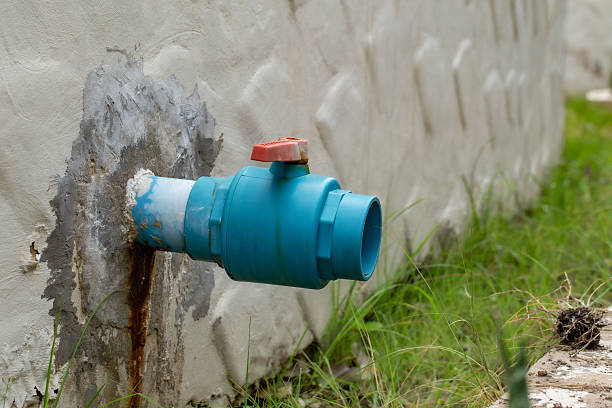
Introduction: Why the Right PVC Glue Matters
If you want your PVC pipe system to last, you need more than just the right pipes—you need the right glue. Choosing the best glue for PVC pipe ensures strong, watertight, and long-lasting joints. Whether you're building a plumbing system, irrigation network, or custom project, a reliable PVC adhesive can make or break the job.
In this article, we’ll walk you through what PVC glue is, how it works, the best types to use, how to apply it properly, and how it compares to other bonding methods. Let’s help you build systems that stay leak-free.
FAQs About PVC Pipe Glue
1. Is PVC glue the same as PVC cement?
Yes. In plumbing, "PVC glue" and "PVC cement" usually refer to the same solvent-based adhesive.
2. Do I need to use primer with PVC glue?
For pressure systems or code-compliant work, yes. Primer cleans and softens the surface for better bonding.
3. How long does PVC glue take to dry?
Set time is around 15–30 seconds. Full cure usually takes 2 hours, but longer for larger pipes or cold weather.
4. Can I use PVC glue on other types of plastic?
No. PVC glue is designed for PVC-to-PVC bonding only. Use specialty adhesives for CPVC, ABS, or other plastics.
5. What happens if I use too much glue?
Excess glue can weaken the joint or clog the pipe. Apply a thin, even layer for best results.
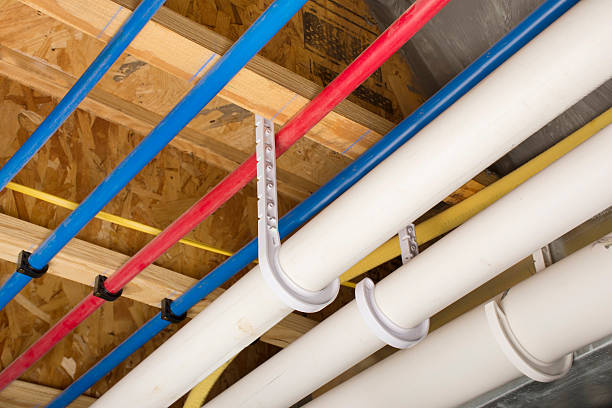
What Is PVC Pipe Glue?
PVC pipe glue is actually a solvent cement—not traditional glue. It chemically softens the surfaces of the pipe and fitting, allowing them to fuse into a single, solid piece. Once applied and set, the bond becomes watertight and highly durable.
Key Characteristics:
- Solvent-based chemical adhesive
- Quick setting (usually under 30 seconds)
- Permanent bond—cannot be undone
- Water-resistant and pressure-rated
- Available in clear, blue, and gray
Most PVC glues are suitable for cold water systems and low-pressure lines. Some are approved for potable (drinking) water, and others are rated for higher pressure or temperature conditions.
When and Where to Use PVC Glue
PVC glue is essential for a wide range of applications involving rigid PVC pipes and fittings.
Common Use Cases:
- Residential plumbing (cold water lines)
- Irrigation systems
- Swimming pool plumbing
- HVAC condensate drains
- DIY furniture and frame structures
- Drain, waste, and vent (DWV) systems
Avoid using PVC glue for flexible hoses, CPVC pipes (unless labeled dual-use), or areas exposed to high heat unless the glue is specifically rated for it.
How to Choose the Best Glue for PVC Pipe
Not all PVC adhesives are equal. Here’s what to look for when selecting the best glue:
1. Type of Glue
- Regular PVC Cement – Standard use, typically clear or blue
- Heavy-Duty PVC Cement – Thicker for large-diameter pipes
- All-Purpose Cement – Works on PVC, CPVC, and ABS (check compatibility)
2. Color
- Clear – Clean appearance, good for visible areas
- Blue – Easy to see during application, used in code inspections
- Gray – Often thicker, heavy-duty cement
3. Drying/Curing Time
- Faster-drying formulas are convenient for quick projects
- Slower cures offer stronger bonds for high-pressure systems
4. Certifications
- Look for NSF/ANSI ratings for potable water or pressure applications
- Ensure it complies with local plumbing codes
5. Climate Suitability
- For cold weather jobs, use glue rated for low temperatures
- Some products work well even in wet conditions
How to Apply PVC Glue: Step-by-Step
Correct application is just as important as choosing the right glue.
Cut and Dry-Fit
- Measure and cut the pipe cleanly
- Dry-fit the pipe and fitting to check alignment
Clean and Prime
- Use PVC primer to clean and soften the surfaces
- Allow primer to dry for a few seconds
Apply the Glue
- Brush glue evenly inside the fitting socket and around the pipe’s outer surface
- Don’t over-apply—excess glue can run inside the pipe
Join Immediately
- Insert the pipe into the fitting with a twisting motion
- Hold for 30 seconds to set
Let It Cure
- Wait 15 minutes before handling
- Allow 2 hours for full cure (longer for pressure systems or cold weather)
Always read and follow the glue manufacturer’s instructions for best results.
PVC Glue vs. Other Bonding Methods
| Feature | PVC Glue | Threaded Connections | Mechanical Couplings | Push-Fit Fittings |
|---|---|---|---|---|
| Bond Strength | Permanent and watertight | Removable but tight | Semi-permanent | Reusable |
| Ease of Use | Moderate (needs skill) | Easy | Easy | Very easy |
| Reusability | Not reusable | Yes | Some types | Yes |
| Time to Install | Fast once learned | Fast | Moderate | Very fast |
| Common Uses | Water lines, drainage | Irrigation, repairs | Temporary joints | Quick builds, testing |
PVC glue creates the most permanent and pressure-resistant bond among these options, making it ideal for plumbing and long-term installations.
Conclusion: Leak-Free PVC Starts with the Right Glue
Choosing the best glue for PVC pipe ensures a secure, professional, and leak-free connection. From standard plumbing jobs to complex irrigation systems, the right cement makes your work more durable and reliable. With proper surface prep, correct application, and suitable curing time, your PVC joints will hold strong for years.
So, next time you build with PVC, don’t just focus on the pipe—make sure your glue is just as dependable.