
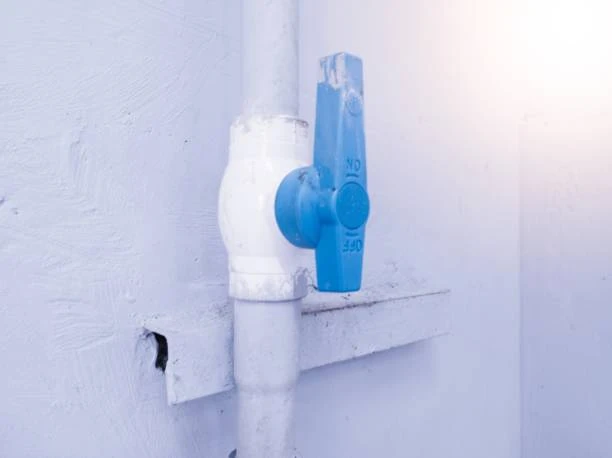
In plumbing systems, control over water flow is essential. One of the most effective ways to manage this is through the use of PVC valves. These lightweight, corrosion-resistant components help start, stop, or regulate flow in pipes across residential, commercial, and industrial applications. However, with several types available, choosing the right PVC valve can seem overwhelming. This guide walks you through the key types, their features, applications, selection criteria, and installation tips—making your choice simpler and smarter.
1. Summary
PVC valves play a vital role in plumbing systems by controlling the flow of liquids. From ball valves to check valves, each type serves a different function. This guide covers their definitions, common uses, how to choose the right one based on pressure, size, and material, as well as proper installation practices. Whether you’re working on a home improvement project or managing a commercial plumbing system, understanding your options will help ensure performance, safety, and durability.
2. Frequently Asked Questions (FAQs)
Q1: What is a PVC valve used for in plumbing?
A PVC valve regulates or stops the flow of water or other fluids through a piping system.
Q2: Are PVC valves suitable for hot water systems?
No. Standard PVC valves are not designed for high temperatures. CPVC or metal valves are better for hot water.
Q3: Can I use a PVC valve in outdoor applications?
Yes, but prolonged exposure to UV rays may weaken the material. Consider UV-resistant PVC or install in shaded areas.
Q4: What’s the difference between a ball valve and a check valve?
A ball valve manually opens or closes the flow. A check valve allows flow in one direction and prevents backflow automatically.
Q5: Do PVC valves need maintenance?
Most require very little maintenance. Periodic inspection for cracks, leaks, or blockages is usually enough.

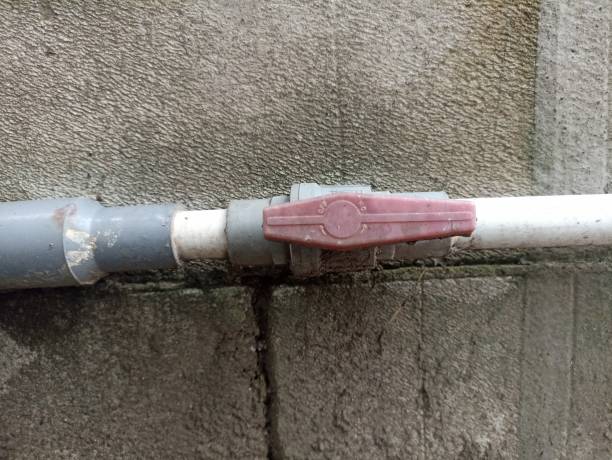
3. Types of PVC Valves and Their Features
Each type of PVC valve is designed to perform a specific function. Understanding the differences can help you choose the right one for your needs.
1. Ball Valves
- Function: On/off control.
- Feature: Quarter-turn mechanism for fast operation.
- Use: Shut-off valves in irrigation and plumbing.
2. Check Valves (Non-Return Valves)
- Function: Prevents backflow.
- Feature: Opens with flow pressure; closes automatically when flow stops.
- Use: Sump pumps, aquariums, and backflow protection.
3. Gate Valves
- Function: Controls flow gradually.
- Feature: Rising or non-rising stem for visibility of open/closed status.
- Use: Industrial and large water systems.
4. Butterfly Valves
- Function: Regulates flow.
- Feature: Rotating disk controls the passage.
- Use: Large diameter pipes in commercial settings.
5. Union Valves
- Function: Combines shut-off and disconnection.
- Feature: Easy to dismantle and reconnect.
- Use: Maintenance areas needing regular disassembly.
4. Common Applications
PVC valves are widely used in plumbing systems due to their affordability and corrosion resistance. Here are the most common use cases:
- Residential Plumbing: Shut-off valves for sinks, toilets, and garden irrigation.
- Irrigation Systems: Control valves for sprinklers, drip lines, and pumps.
- Aquariums & Water Features: Valves to regulate water levels and filtration.
- Pool Systems: Flow control in chlorination and filtration setups.
- Industrial Use: Low-pressure chemical flow management and tank drainage.
5. How to Choose the Right PVC Valve
With several types and sizes on the market, it’s important to consider the following factors before making your decision:
1. Purpose
- For basic on/off use → Choose a ball valve.
- To stop reverse flow → Use a check valve.
- For flow regulation → Consider a gate or butterfly valve.
2. Pipe Size Compatibility
Ensure the valve fits your pipe diameter, usually measured in inches (½", 1", 2", etc.). Choose valves with either socket (glue) or threaded ends as required.
3. Pressure and Temperature Ratings
PVC valves typically support pressures up to 150 PSI and temperatures up to 60°C (140°F). Exceeding these limits may cause failure.
4. Material Quality
Look for valves made from virgin PVC (not recycled) for better strength and resistance. Check the seal material too—EPDM or Viton for chemical resistance.
5. Certifications
For drinking water systems, look for NSF-certified products. For other uses, verify ISO or other local standards.
6. Installation Tips
Proper installation ensures a leak-free and long-lasting PVC valve system. Follow these simple tips:
- Plan Ahead: Know where you need the valve and ensure easy access.
- Cut the Pipe Cleanly: Use a PVC cutter or saw to make a straight cut.
- Deburr the Edges: Smooth the pipe edges to ensure proper fit.
- Use PVC Primer and Cement: Clean the joint, apply primer, then cement both surfaces before pushing the valve into place.
- Align Carefully: Make sure the valve handle is accessible and points in the desired flow direction.
- Allow Cure Time: Let the cement cure per the manufacturer's instructions before pressurizing the system.
For threaded valves, always use PTFE tape or thread sealant on the male threads.
7. PVC Valve vs. Other Valve Materials
Understanding how PVC compares with other materials can help determine if it’s the right choice.
| Feature | PVC Valve | Brass Valve | Stainless Steel Valve |
|---|---|---|---|
| Corrosion Resistance | Excellent | Moderate | Excellent |
| Weight | Lightweight | Heavy | Heavy |
| Cost | Low | Medium | High |
| Temperature Tolerance | Up to 60°C | Up to 120°C | Up to 200°C |
| Ease of Installation | Easy (glue/threaded) | Medium | Medium |
| Drinking Water Safe | Yes (NSF-certified) | Yes | Yes |
| Chemical Resistance | High (non-metallic) | Limited | High |
PVC valves are ideal for most low-temperature, low-pressure residential and irrigation systems. For higher temperature or pressure applications, brass or stainless steel may be more appropriate.
8. Conclusion
Choosing the right PVC valve is essential for efficient, safe, and cost-effective plumbing solutions. With several types available—each serving a specific role—you can easily customize your system for irrigation, household use, or light industrial tasks. Always consider your application’s needs, including pressure, temperature, material compatibility, and size.
When installed and maintained correctly, PVC valves provide long-lasting performance and trouble-free operation. Their lightweight, corrosion-resistant design makes them a go-to solution for anyone working with fluid control.
Whether you’re replacing a worn-out valve or designing a new system, understanding PVC valve options ensures smoother flow and fewer plumbing issues down the line.