

Introduction: Why Choosing the Right UPVC Fitting Matters
When building or repairing a piping system, choosing the right UPVC fitting is just as important as selecting the correct pipe. The wrong fitting can lead to leaks, reduced system efficiency, or even costly damage. With a variety of UPVC fittings available—each designed for specific functions—understanding their types, features, and appropriate uses will help ensure a strong, long-lasting connection.
This article provides a practical guide to choosing the right UPVC pipe fitting for your project, whether it’s residential plumbing, agricultural irrigation, or industrial piping.
Frequently Asked Questions (FAQs)
1. What are the common types of UPVC fittings?
Elbows, tees, couplings, reducers, end caps, unions, valves, and adaptors.
2. How do I know which UPVC fitting to use?
Match the fitting to your pipe size, pressure requirements, and intended function (e.g., direction change, branching, sealing).
3. Are UPVC fittings compatible with other pipe materials?
Yes, with the right adapters (e.g., threaded metal adaptors for steel or brass connections).
4. What pressure ratings should I consider?
Most UPVC fittings are rated under SCH 40 or SCH 80; select based on your system’s pressure needs.
5. Is certification important when choosing UPVC fittings?
Absolutely. Look for fittings certified by ISO, ASTM, or NSF to ensure quality and safety.
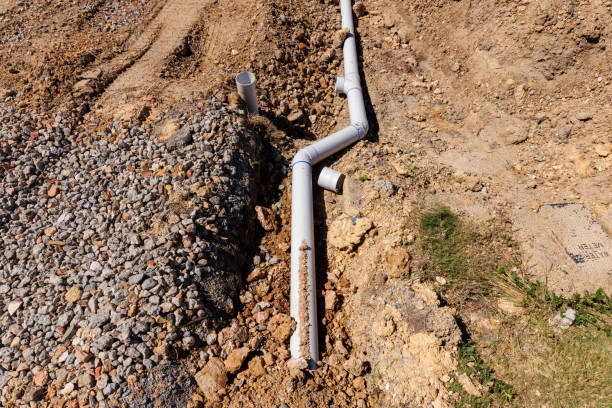
Understanding UPVC Fittings: Basic Definition and Features
UPVC (Unplasticized Polyvinyl Chloride) fittings are components used to connect or control the flow in UPVC piping systems. These fittings are:
- Rigid and lightweight
- Resistant to corrosion and chemicals
- Easy to install with solvent cement
- Safe for potable water
- Durable, with a lifespan exceeding 50 years in many systems
They are non-toxic, making them ideal for residential and industrial use alike.
Types of UPVC Fittings and When to Use Them
1. Elbows (90° and 45°)
Use when the pipeline changes direction. The angle depends on how sharply the turn needs to be.
2. Tees
Use to branch the flow into another direction. Available as equal tee (same diameter) or reducing tee (different diameters).
3. Couplings
Use to join two straight sections of pipe. Available as slip or repair couplings.
4. Reducers
Use to connect a large-diameter pipe to a smaller one. Ideal for pressure adjustment or transitions.
5. End Caps and Plugs
Use to close off the end of a pipe or temporarily stop flow during repairs.
6. Unions
Use when you need to disassemble part of the pipeline frequently for maintenance.
7. Valves (Ball, Check, Gate)
Use to start, stop, or control fluid flow. Choose based on flow direction and control needs.
8. Adaptors (Threaded Male/Female)
Use when connecting UPVC to other pipe types like metal or CPVC.
Step-by-Step Guide to Choosing the Right UPVC Fitting
1. Know Your Application
- Domestic plumbing? Choose standard elbows, tees, and couplings.
- Industrial fluid transfer? Opt for SCH 80-rated high-pressure fittings.
- Irrigation system? Use UV-resistant fittings suitable for outdoor use.
2. Match the Pipe Size
Ensure fittings match your pipe's outer diameter (OD). Most fittings are sized in inches (½" to 12").
3. Determine Pressure Requirements
Use SCH 80 fittings for high-pressure systems and SCH 40 for standard use.
4. Check Material Compatibility
Ensure fittings match the type of fluid or chemical in the system. For chemical plants, double-check chemical resistance ratings.
5. Consider Environmental Factors
If the system is exposed to sunlight or harsh weather, use UV-stabilized fittings.
6. Prioritize Certified Products
Look for international standards like ISO 1452, ASTM D2467, or NSF certification.
Installation Tips for Optimal Performance
- Cut pipes cleanly using a pipe cutter to ensure a tight fit.
- Deburr the edges to avoid damaging the joint during insertion.
- Dry fit all components to check alignment before cementing.
- Use proper solvent cement designed for UPVC systems.
- Hold joints in place for 30 seconds after cementing.
- Allow curing time (15–24 hours) before pressure testing.
- Use pipe supports every 1–2 meters to prevent stress on fittings.
Correct installation extends system life and reduces the risk of leakage or failure.
UPVC Fittings vs Other Materials: A Quick Comparison
| Feature | UPVC Fittings | PPR Fittings | Metal Fittings |
|---|---|---|---|
| Corrosion Resistance | Excellent | Good | Low |
| Installation Ease | Easy (cement) | Moderate | Difficult |
| Weight | Light | Light | Heavy |
| Chemical Resistance | High | Medium | Varies |
| Cost | Affordable | Moderate | Expensive |
| Lifespan | 50+ years | 25–50 years | 30+ years |
| Water Safety | Non-toxic | Non-toxic | Risk of rust |
Conclusion: UPVC fittings offer the best balance of durability, ease of use, and cost-effectiveness for most low to medium-pressure systems.
Conclusion: Smart Selection for Reliable Piping
Choosing the right UPVC fitting doesn’t need to be complicated. By understanding your system’s requirements and matching them with the correct fitting types, materials, and sizes, you ensure long-term reliability and performance. From residential plumbing to industrial pipelines, UPVC fittings are a smart investment—just make sure they’re properly selected and installed.
If you're planning a new system or upgrading an old one, take the time to choose the right UPVC fittings—your pipes (and your wallet) will thank you.