
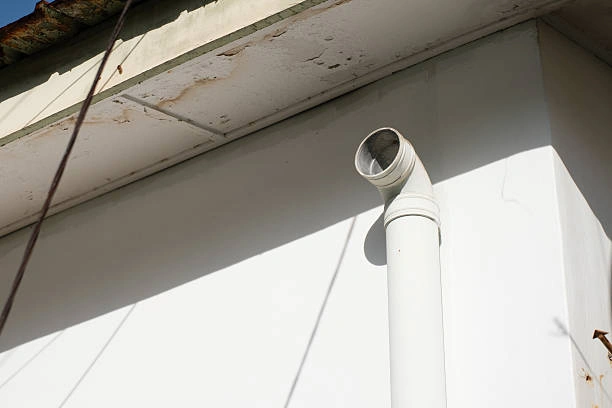
Introduction: Understanding CPVC Pipe Problems and How to Fix Them
CPVC (Chlorinated Polyvinyl Chloride) pipes are widely used in residential, commercial, and industrial plumbing because of their durability and heat resistance. However, like any material, CPVC pipes can face common issues that affect their performance and longevity. Knowing the typical problems and practical solutions helps you maintain an efficient plumbing system and avoid costly repairs. This article covers the most frequent CPVC pipe problems, why they occur, and how to fix or prevent them effectively.
Frequently Asked Questions (FAQ)
1. What are the common causes of CPVC pipe leaks?
Leaks often result from poor installation, damaged fittings, or thermal expansion causing joint stress.
2. Can CPVC pipes crack or become brittle over time?
Yes, exposure to UV light, chemical damage, or freezing temperatures can cause brittleness and cracks.
3. How do temperature extremes affect CPVC pipes?
High temperatures beyond design limits can soften pipes, while freezing can cause cracking.
4. Are chemical reactions a risk for CPVC piping?
Certain aggressive chemicals can degrade CPVC if it’s used outside its chemical compatibility range.
5. How can I prevent CPVC pipe problems?
Proper installation, avoiding UV exposure, using correct fittings and solvent cement, and regular inspection help prevent issues.

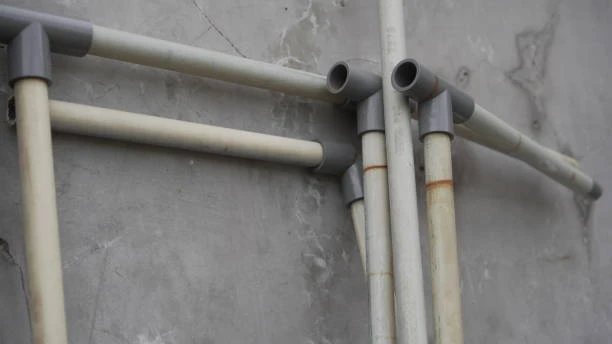
Basic Overview: Common CPVC Pipe Problems and Their Causes
CPVC pipes generally provide excellent performance, but some issues may arise:
- Leaks at joints or fittings: Often due to improper solvent welding, loose fittings, or mechanical damage.
- Cracking and brittleness: Caused by UV degradation, freezing, or chemical exposure.
- Discoloration and scaling: Minerals in water or chemical buildup can affect appearance and flow.
- Deformation or softening: Exposure to temperatures above 200°F (93°C) weakens the pipe.
- Blockages: Debris or scale buildup inside pipes can reduce water flow.
Understanding these problems helps you identify the root causes quickly.
Common Uses and Application Contexts
CPVC pipes are used in:
- Residential hot and cold water systems
- Commercial plumbing for offices and multi-story buildings
- Industrial chemical transport lines
- HVAC chilled water and heating systems
In each environment, awareness of specific stressors—like temperature fluctuations or chemical contact—guides proper maintenance and problem-solving.
Buying Guide: Choosing Quality CPVC to Avoid Issues
Selecting the right CPVC pipe reduces risks:
- Certified Materials: Look for ASTM D2846 and NSF certifications ensuring quality and chemical resistance.
- Proper Color Coding: Most CPVC pipes are cream, light yellow, or gray—consistent color often reflects manufacturing standards.
- Trusted Brands: Reliable manufacturers provide consistent thickness, fewer defects, and warranties.
- Compatibility: Use CPVC-specific solvent cement and fittings designed for your pipe schedule (40 or 80).
Good-quality pipe and components are the foundation for a long-lasting system.
Installation Tips to Prevent Common Problems
Correct installation prevents many CPVC issues:
- Clean Cuts: Use appropriate pipe cutters or saws to make smooth cuts, avoiding jagged edges.
- Deburring: Always remove burrs and smooth pipe ends before joining.
- Proper Primer and Cement: Use CPVC-specific primer and solvent cement to create strong, leak-proof joints.
- Allow Curing Time: Give joints adequate curing time before pressurizing the system.
- Support and Expansion: Install pipe supports every 3-5 feet and include expansion loops for temperature changes.
- Protect from UV Exposure: Avoid outdoor exposure or cover pipes with UV-resistant paint or insulation.
- Freeze Protection: Insulate pipes in cold climates to prevent cracking from freezing.
Following these practices greatly reduces failure risks.
CPVC Pipe Problems vs Other Pipe Materials (Comparison Table)
| Problem Type | CPVC Pipe | PVC Pipe | Copper Pipe | PEX Pipe |
|---|---|---|---|---|
| Leak Risk | Low when installed properly | Moderate | Moderate (corrosion risk) | Low |
| UV Damage | High sensitivity | Moderate sensitivity | None | Low |
| Heat Resistance | Up to 200°F (93°C) | Up to 140°F (60°C) | Excellent | Moderate |
| Brittleness Over Time | Possible with UV or freezing | Possible with cold weather | Very low | Low |
| Chemical Resistance | High | Moderate | Low | Moderate |
| Ease of Repair | Moderate | Easy | Hard | Easy |
This table shows CPVC’s advantages and typical weaknesses compared to other piping materials.
Conclusion: Keeping Your CPVC Pipes Problem-Free
CPVC pipes are a reliable choice for many plumbing applications, but they require proper handling, installation, and maintenance to avoid common problems. Leaks, cracking, and deformation mostly result from installation errors, environmental exposure, or improper material selection. By using certified products, following correct installation practices, and protecting pipes from UV and freezing conditions, you can maximize the lifespan and performance of your CPVC system.
Being proactive about inspection and maintenance allows you to catch issues early, saving time and money on repairs. Ultimately, understanding common CPVC pipe problems and their solutions empowers you to keep your plumbing system safe and efficient.