

Introduction: Why CPVC 1/2 Pipes are Essential for Plumbing Systems
The CPVC 1/2 pipes size are a common choice in plumbing due to its compact design and efficient flow capabilities. Whether for residential water supply lines, irrigation, or HVAC systems, the 1/2 inch CPVC pipe balances ease of installation with durability and chemical resistance. This article explains the features, applications, buying considerations, installation tips, and how the CPVC 1/2 pipe compares to other piping options, helping you make smart decisions for your projects.
Frequently Asked Questions (FAQ)
1. What is the main use of CPVC 1/2 pipe?
It is commonly used for residential water lines, irrigation, and small HVAC piping.
2. Can CPVC 1/2 pipe handle hot water?
Yes, CPVC pipes tolerate temperatures up to 200°F (93°C), suitable for hot water systems.
3. How do you connect CPVC 1/2 pipes?
Use CPVC primer and solvent cement to create secure, leak-free joints.
4. Is CPVC 1/2 pipe durable?
Yes, it is resistant to corrosion, chemical damage, and offers a long service life.
5. Can CPVC 1/2 pipe be used outdoors?
CPVC is sensitive to UV light, so outdoor use requires protection or UV-resistant coatings.

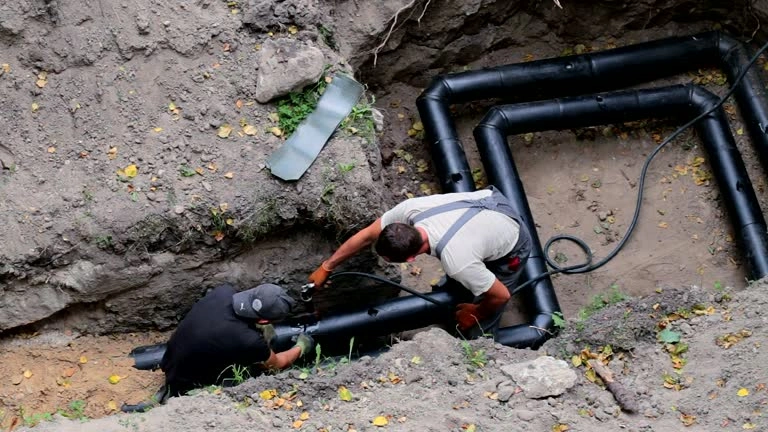
What Is CPVC 1/2 Pipe? Basic Definition and Features
CPVC 1/2 pipe refers to the nominal pipe size of half an inch, widely used for smaller water supply lines. CPVC stands for Chlorinated Polyvinyl Chloride, a thermoplastic known for its enhanced heat and chemical resistance compared to regular PVC.
Key features include:
- Temperature tolerance up to 200°F (93°C)
- Corrosion and chemical resistance
- Lightweight and easy to handle
- Smooth internal surface reducing friction loss
- Certified for potable water use with ASTM and NSF standards
Its compact size makes it ideal for tight spaces without sacrificing flow efficiency.
Common Uses and Application Areas
Due to its size and material benefits, CPVC 1/2 pipe is often used in:
- Residential plumbing for faucets, toilets, and appliances
- Irrigation systems for gardens and small agricultural setups
- HVAC chilled water or heating lines in compact systems
- Commercial plumbing in confined spaces
- Industrial piping for chemical transport in low-volume lines
Its versatility suits a broad range of environments where reliable small-diameter piping is needed.
Buying Guide: How to Choose the Right CPVC 1/2 Pipe
When selecting CPVC 1/2 pipe, consider:
- Certifications: Ensure compliance with ASTM D2846 and NSF 61 for safety and quality.
- Pipe Schedule: Schedule 40 is most common; Schedule 80 offers thicker walls and higher pressure ratings.
- Color and Markings: Typically cream or light yellow with clear size, schedule, and manufacturer marks.
- Brand Reliability: Choose trusted brands for consistent quality and warranties.
- Fittings Compatibility: Use CPVC-specific fittings and solvent cements to avoid joint failures.
These factors ensure the pipe performs well and lasts long.
Installation Tips for CPVC 1/2 Pipe
Best practices include:
- Cut Pipes Cleanly: Use a proper cutter or fine saw, and deburr pipe edges.
- Use Primer and Solvent Cement: Apply evenly on both pipe and fitting surfaces for strong bonds.
- Allow Proper Curing: Let joints cure as recommended before pressure testing or use.
- Support Properly: Use pipe hangers every 3 to 5 feet to prevent sagging.
- Protect from UV and Freezing: Shield outdoor pipes from sunlight and insulate to prevent freezing damage.
- Manage Thermal Expansion: Install expansion loops or offsets when needed.
Following these steps reduces leaks and extends system life.
CPVC 1/2 Pipe vs Other Pipes (Comparison Table)
| Feature | CPVC 1/2 Pipe | PVC 1/2 Pipe | Copper 1/2 Pipe | PEX 1/2 Pipe |
|---|---|---|---|---|
| Heat Resistance | Up to 200°F (93°C) | Up to 140°F (60°C) | Excellent | Moderate |
| Corrosion Resistance | High | Moderate | Poor (corrodes) | High |
| Weight | Lightweight | Lightweight | Heavy | Lightweight |
| Installation Ease | Easy (solvent cement) | Easy | Moderate (soldering) | Very easy (push-fit/crimp) |
| Cost | Moderate | Low | High | Moderate |
| Flexibility | Rigid | Rigid | Rigid | Flexible |
| Lifespan | 50+ years | 20–40 years | 50+ years | 40–50 years |
This table shows CPVC 1/2 pipe’s advantages, particularly for heat resistance and corrosion protection.
Conclusion: CPVC 1/2 Pipes — Compact, Efficient, and Reliable
The CPVC 1/2 pipe stands out as a compact and efficient solution for various plumbing and industrial applications. Its heat resistance, chemical durability, and ease of installation make it a popular choice for small diameter piping needs. By selecting certified products, using the right fittings, and following proper installation techniques, you ensure a leak-free, long-lasting plumbing system.
Whether for residential, commercial, or industrial projects, CPVC 1/2 pipe delivers performance and reliability where space and efficiency matter most.