
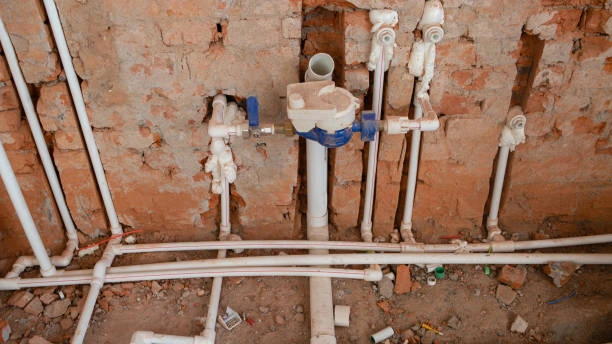
Introduction
Using the correct CPVC pipe glue is essential for creating leak-free, durable joints in hot and cold water systems. This guide explains which type of adhesive you should use, how to apply it properly, and what mistakes to avoid. Whether you're a homeowner or a plumber, following best practices with CPVC solvent cement ensures long-lasting results and a professional finish.
Frequently Asked Questions (FAQs)
1. What is CPVC pipe glue?
It’s a solvent cement specifically formulated to chemically bond CPVC pipe and fittings.
2. Can I use PVC glue on CPVC pipe?
No. PVC glue is not rated for high temperatures and may fail on CPVC systems.
3. What color is CPVC glue?
Typically orange or yellow. This helps differentiate it from clear PVC cement.
4. Is primer needed before applying CPVC glue?
Yes. CPVC primer softens the plastic to help create a stronger bond.
5. How long does CPVC glue take to dry?
Initial set time is around 15 minutes, but full cure can take 24 hours, depending on temperature and pipe size.


What Is CPVC Pipe Glue?
CPVC pipe glue—also known as CPVC solvent cement—is a chemical adhesive that fuses the surfaces of CPVC pipes and fittings. Unlike regular glue, it doesn’t just stick pieces together; it chemically softens the plastic, causing the two parts to become one solid, continuous piece.
Key Characteristics:
- Formulated for chlorinated polyvinyl chloride (CPVC) material
- Withstands hot water up to 200°F (93°C)
- Resists high pressure and corrosive environments
- Comes in medium- or heavy-bodied formulas for different pipe sizes
Choosing the Right CPVC Glue
When selecting a solvent cement for CPVC, consider the following:
| Feature | Residential Use | Industrial Use |
|---|---|---|
| Glue Type | Medium-body | Heavy-body |
| Pipe Size Range | Up to 2 inches | 2 inches and above |
| Temperature Rating | Up to 180–200°F | Same |
| Color | Yellow or orange | Yellow or orange |
| Certifications | ASTM F493, NSF/ANSI 61 | ASTM F493, UL/NSF approved |
Pro tip: Use glue that matches the job’s temperature, pressure, and code requirements.
How to Apply CPVC Pipe Glue (Step-by-Step)
Cut and Clean the Pipe
- Use a CPVC pipe cutter or fine-toothed saw.
- Remove burrs with a deburring tool.
- Wipe the pipe and fitting clean with a dry cloth.
Apply CPVC Primer
- Use CPVC-approved primer (often purple).
- Apply to both the pipe and fitting socket.
- Let it soften the surface for about 5–10 seconds.
Apply CPVC Solvent Cement
- Apply a liberal, even coat to the pipe end and fitting socket.
- Work quickly—cement dries fast!
Join the Pieces
- Push the pipe fully into the fitting while rotating 1/4 turn.
- Hold for 30 seconds to ensure it sets properly.
Allow Time to Cure
- Let joints cure for at least 15–30 minutes before handling.
- For pressurized systems, allow up to 24 hours.
Common Mistakes to Avoid
- ❌ Skipping the primer
- ❌ Using PVC glue instead of CPVC glue
- ❌ Not holding the pipe long enough during set
- ❌ Applying glue to wet or dirty surfaces
- ❌ Pressurizing the system too soon
Avoiding these mistakes ensures long-term reliability and prevents leaks or system failure.
CPVC Glue vs Other Pipe Adhesives
| Feature | CPVC Solvent Cement | PVC Glue | Epoxy Adhesive | Threaded Sealant |
|---|---|---|---|---|
| Material Use | CPVC only | PVC only | Multi-purpose | Metal/plastic threads |
| Temperature Rating | High (~200°F) | Low (~140°F) | Varies | Low |
| Cure Time | 15 min–24 hrs | 15 min–24 hrs | Several hours | Instant |
| Bond Strength | Chemical fusion | Chemical fusion | Mechanical | Sealing only |
Final Thoughts
Using the correct CPVC pipe glue is key to building a safe, high-performance piping system. With proper application, solvent cement forms a permanent bond that resists heat, pressure, and corrosion. Always follow manufacturer guidelines for primer, cement type, and curing time. Whether you’re fixing a shower line or installing an industrial fluid system, the right CPVC glue ensures long-term success.