
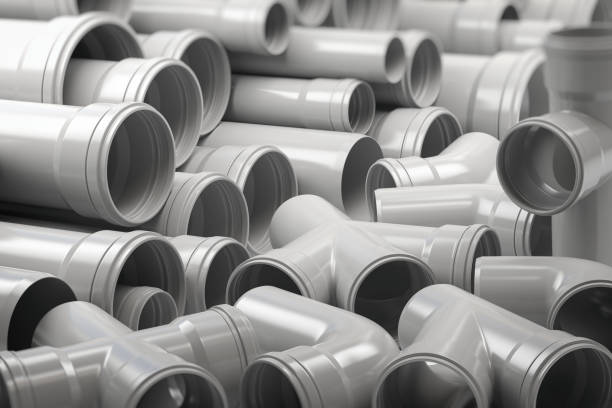
Summary: Why CPVC Pipes Are a Game-Changer
CPVC (Chlorinated Polyvinyl Chloride) pipes have become a top choice in both residential and industrial piping systems, especially where high temperature resistance is required. Known for their durability, chemical resistance, and thermal performance, CPVC pipes offer an excellent alternative to metal and traditional PVC piping. This guide will walk you through what CPVC pipes are, their unique properties, applications, how to choose the right type, and essential installation tips. Whether you're a DIY homeowner or an engineer, understanding CPVC can help you make better plumbing decisions.
FAQ: Common Questions About CPVC Pipes
1. What does CPVC stand for?
CPVC stands for Chlorinated Polyvinyl Chloride, a thermoplastic made by chlorinating PVC resin to improve its heat resistance.
2. Can CPVC pipes be used for hot water?
Yes, CPVC pipes can handle hot water up to 90°C (194°F), making them ideal for residential and commercial hot water systems.
3. Are CPVC and PVC pipes interchangeable?
No, CPVC and PVC have different chemical and thermal properties. CPVC is designed for higher temperatures and requires CPVC-specific fittings and glue.
4. How long do CPVC pipes last?
With proper installation, CPVC pipes can last over 50 years in many applications, especially in indoor plumbing systems.
5. Are CPVC pipes safe for drinking water?
Yes, CPVC pipes are approved by NSF and other health standards for potable water use, provided they are certified by a reputable manufacturer.
Definition and Key Characteristics of CPVC Pipes
CPVC pipes are made by adding chlorine atoms to the base polymer (PVC), increasing its resistance to heat and corrosion. This structural modification makes CPVC suitable for transporting hot and cold potable water, as well as chemicals in industrial applications.
Main Features:
- High temperature resistance: Can withstand up to 90°C (194°F) in pressure systems.
- Corrosion resistant: Won’t rust, pit, or scale like metal pipes.
- Chemical resistant: Suitable for a wide range of acids, bases, and salts.
- Long lifespan: 50+ years in ideal conditions.
- Smooth interior: Reduces friction and maintains water pressure.
- Lightweight: Easier to handle and install than metal alternatives.
- Low thermal conductivity: Minimizes heat loss in hot water systems.


Applications of CPVC Pipes
Due to their versatility, CPVC pipes are used in various sectors:
1. Residential Plumbing
- Hot and cold water distribution in bathrooms and kitchens.
- Replacement of copper piping in older homes.
2. Commercial Buildings
- High-temperature water systems in hotels, schools, and hospitals.
- HVAC cooling tower lines.
3. Industrial Applications
- Transport of corrosive chemicals in factories.
- Process piping in chemical plants and food production.
4. Fire Sprinkler Systems
- CPVC is often used in wet pipe fire suppression systems due to its high heat tolerance and corrosion resistance.
Buying Guide: How to Choose the Right CPVC Pipe
When selecting CPVC pipes, consider these important factors:
✔ Pipe Schedule
Choose between Schedule 40 (standard wall thickness) and Schedule 80 (thicker walls for higher pressure). Schedule 80 is better for industrial and high-pressure systems.
✔ Pipe Size
Available in nominal diameters ranging from 1/2 inch to 8 inches or more. Select based on flow requirements.
✔ Temperature and Pressure Ratings
Ensure the pipe can handle your system’s peak temperatures and pressures. Always refer to manufacturer charts.
✔ Certifications
Look for NSF, ASTM F441/F442, or ISO certification for potable water and chemical resistance compliance.
✔ Fittings Compatibility
Use CPVC-specific fittings and solvent cement. Avoid mixing with PVC or metal unless proper transition fittings are used.
Installation Tips for CPVC Pipes
Installing CPVC piping is straightforward but requires attention to detail:
- Cut the pipe cleanly using a plastic pipe cutter or fine-tooth saw.
- Deburr and chamfer the pipe end to prevent damage to the fitting during insertion.
- Clean and dry both the pipe and fitting before applying cement.
- Use CPVC primer and solvent cement to ensure strong bonding.
- Insert with a quarter turn to spread cement evenly, then hold for 30 seconds.
- Let it cure for at least 15 minutes before handling, and 24 hours before pressure testing.
- Avoid overtightening threaded fittings; CPVC is strong but not flexible like PEX.
💡 Tip: Use expansion loops or offsets if long lengths are installed in hot environments to accommodate thermal expansion.
Comparison: CPVC vs Other Pipe Materials
| Feature | CPVC Pipe | PVC Pipe | Copper Pipe | PEX Pipe |
|---|---|---|---|---|
| Max Temp | 90°C (194°F) | 60°C (140°F) | >200°C (392°F) | ~82°C (180°F) |
| Corrosion Resistance | Excellent | Good | Poor (in acidic water) | Excellent |
| Installation | Solvent-welded | Solvent-welded | Soldered/Brazed | Crimp/Fitting |
| Flexibility | Rigid | Rigid | Rigid | Flexible |
| Cost | Moderate | Low | High | Moderate |
| Drinking Water Safe | Yes | Yes (cold only) | Yes | Yes |
| Lifespan | 50+ years | 25–40 years | 50+ years | 40–50 years |
Verdict: CPVC strikes a great balance between affordability, temperature resistance, and longevity—ideal for long-term hot water and industrial use.
Conclusion: Why Choose CPVC Pipe?
CPVC pipe offer the perfect combination of heat resistance, durability, and chemical protection. Whether you're replacing outdated metal pipes in a home or setting up a chemical processing line in an industrial facility, CPVC is a reliable, low-maintenance option.
Their ease of installation and long service life make them a smart investment for any application involving hot fluids or aggressive chemicals. Just be sure to use the proper tools, follow installation guidelines, and choose certified products for optimal performance.