

Introduction
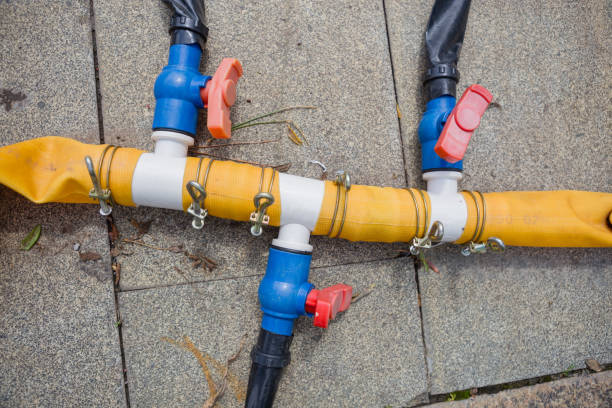
A PVC compression valve is a highly convenient plumbing component that connects pipes securely—without the need for glue, heat, or special tools. It’s a go-to solution for quick repairs, system upgrades, or installations where flexibility and leak prevention are key. Whether used in residential, commercial, or light industrial settings, this valve offers an efficient and user-friendly way to control water or fluid flow.
In this article, you’ll learn the core benefits, applications, features, installation process, buying tips, and comparisons of PVC compression valves—all designed to help you make the best plumbing choices.
Frequently Asked Questions (FAQ)
1. What is a PVC compression valve?
It’s a valve that connects to PVC pipes using a compression fitting, sealing the joint without glue or heat.
2. Where is it used?
It’s commonly used in home plumbing, irrigation systems, and any setup where ease of maintenance is important.
3. Is it reusable?
Yes. You can disassemble and reuse it multiple times, which makes it ideal for temporary or adjustable systems.
4. Does it leak easily?
No. When installed properly, the compression ring creates a strong, leak-free seal.
5. Can I install it myself without tools?
Yes. Most PVC compression valves are designed for tool-free or minimal-tool installation—great for DIY users.
Definition and Key Features of a PVC Compression Valve
A PVC compression valve is a mechanical shut-off valve that joins to PVC pipes using a compression nut and sealing ring (also called a ferrule). When the nut is tightened, it compresses the ring against the pipe, forming a watertight connection.
Key Features:
- Tool-free or minimal-tool installation
- No solvent cement or threading required
- Easily removable and reusable
- Excellent leak prevention
- Made from corrosion-resistant PVC
- Ideal for low- to medium-pressure applications
Its simplicity and reliability make it one of the most user-friendly valves in the market.

Common Applications of PVC Compression Valves
PVC compression valves are used in various plumbing and irrigation scenarios, including:
- Residential plumbing systems: Under-sink shut-offs, temporary water lines
- Garden irrigation: Quick-connect options for hose or drip lines
- Aquariums and water features: Non-permanent flow control
- Laboratory setups: Easy-to-adjust systems
- DIY plumbing repairs: Fast fixes without glue
- Temporary water systems: Ideal for rented spaces or mobile setups
Thanks to their flexibility and easy installation, compression valves are especially popular among DIYers and maintenance teams.
Buying Guide: What to Look For in a PVC Compression Valve
Before purchasing a PVC compression valve, keep the following considerations in mind:
1. Valve Size
Choose the correct size to match your pipe (e.g., ½", ¾", 1", etc.). A mismatch will result in leaks or improper fit.
2. Pressure Rating
Check the valve’s PSI rating. Most are suitable for low- to medium-pressure systems (up to 150 PSI).
3. Seal Type
Some use rubber O-rings for better sealing. Ensure they’re made of quality materials like EPDM for durability.
4. Handle Design
Standard lever handles are common, but you can also find quarter-turn knobs or round shut-off handles.
5. Certifications
If used for potable water, look for NSF-certified valves that ensure safe material quality.
Installation Guidelines: Quick and Clean
One of the main advantages of a PVC compression valve is its easy and clean installation. Here’s a basic guide:
- Cut the pipe squarely using a PVC cutter or saw. Make sure the edges are smooth.
- Slide the compression nut and ring over the pipe.
- Insert the pipe into the valve body until it bottoms out.
- Tighten the nut by hand or with a wrench (avoid over-tightening).
- Test for leaks by running water through the system.
- Retighten slightly if needed, but do not force.
No glue, curing time, or special skills are required—a perfect choice for quick jobs.
PVC Compression Valve vs Other Valve Types
| Feature/Valve Type | PVC Compression Valve | PVC Solvent Valve | Brass Compression Valve | Threaded PVC Valve |
|---|---|---|---|---|
| Installation | Tool-free, reusable | Requires glue | Requires wrench | Needs tape/wrench |
| Leak Resistance | Excellent | Excellent | Excellent | Good |
| Ease of Use | Very easy | Moderate | Moderate | Moderate |
| Reusability | High | None | Medium | Medium |
| Cost | Low to Medium | Low | High | Low |
PVC compression valves are perfect when you need a fast, reliable, and removable solution. They outperform solvent valves in ease of use and stand out for their reusability.
Conclusion: The Smart Choice for Quick Plumbing Jobs
The PVC compression valve is a reliable, user-friendly solution for anyone needing to control water flow without complex tools or messy adhesives. Its leak-free sealing mechanism, flexibility, and easy installation make it ideal for both professionals and DIY users.
Whether you're repairing a system, installing a new water line, or building a temporary irrigation setup, this valve delivers consistent results with minimal effort. Affordable, practical, and reusable—it’s everything a modern plumbing component should be.