
🔧 Introduction
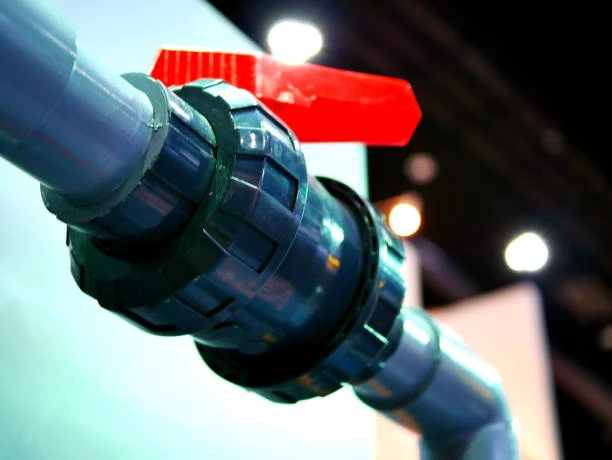
A PVC compression valve is a simple yet highly effective solution for controlling water flow in plumbing and irrigation systems. Unlike glue-based or threaded valves, compression valves create a secure seal using mechanical pressure, allowing for fast installation and easy maintenance. Whether you're working on a home renovation, garden irrigation, or light industrial system, this valve ensures a reliable, leak-free connection—without the need for special tools or drying time.
❓FAQ – Frequently Asked Questions
1. What is a PVC compression valve?
It’s a valve that connects to PVC pipes using a nut and ring system to compress the pipe and seal the joint, no glue required.
2. Where is it commonly used?
Mainly in home plumbing, irrigation systems, and light industrial water supply systems.
3. Is it reusable?
Yes, you can easily remove and reuse it as long as the components remain undamaged.
4. What sizes are available?
Common sizes include ½", ¾", 1", and 2", depending on system requirements.
5. Is it safe for potable water?
If certified (e.g., NSF), it is safe for drinking water applications.
📘 Definition and Key Features
A PVC compression valve is a manually operated device designed to control, open, or shut off water or fluid flow. It works by compressing a rubber or plastic ferrule against the pipe when the compression nut is tightened. This pressure creates a water-tight seal without any glue, cement, or threading.
🔍 Key Features:
- ✅ Tool-free or low-tool installation
- 🔄 Reusable and repositionable
- 💧 Leak-proof performance with proper tightening
- 🔧 No adhesive or curing time
- 🧪 Resistant to corrosion and chemicals
- 🧊 Ideal for cold and room-temperature water
Compression valves are made from polyvinyl chloride (PVC), known for being lightweight, durable, and cost-effective.

🧰 Applications and Common Use Cases
Due to their flexibility and simplicity, PVC compression valves are widely used across various sectors:
- 🏠 Residential plumbing – for sinks, toilets, and appliances
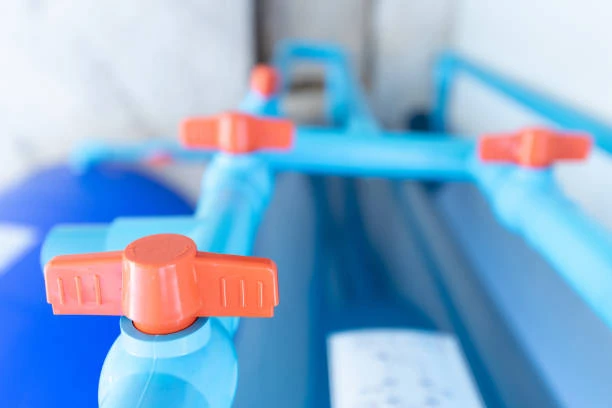
- 🌿 Garden irrigation – simple on/off control for hoses or drip lines
- 🏭 Light industrial systems – managing non-aggressive fluids
- 🧼 Cleaning systems – flow control in car washes or sprayers
- 🐟 Aquaculture and hydroponics – precision water regulation
These valves are also useful for temporary setups where disassembly is expected, such as seasonal irrigation or maintenance bypass lines.
🛒 Buying Guide – What to Look For
When selecting a PVC compression valve, consider these important criteria:
| Factor | Details to Check |
|---|---|
| Size | Match pipe size (e.g., ½", ¾", 1") |
| Material Quality | Choose UV-stabilized PVC for outdoor use |
| Seal Material | Ensure the gasket/ferrule is rubber or silicone for better sealing |
| Certifications | Look for NSF or ANSI marks if using for drinking water |
| Operating Pressure | Confirm compatibility with your system (usually up to 150 psi) |
| Temperature Range | Typical use is under 60°C (140°F); not suitable for high-heat systems |
| Color Coding | Some valves are color-coded for cold (blue) or general use (white/grey) |
🛠 Tip: Always choose valves from trusted brands or suppliers to ensure long-term performance and safety.
🔩 Installation Tips
🧰 Tools Needed:
- Pipe cutter or saw
- Adjustable wrench (optional)
- Clean cloth
🛠 Installation Steps:
- Cut the pipe cleanly and ensure it's round, smooth, and debris-free.
- Slide the compression nut and ring onto the pipe.
- Insert the pipe into the valve body fully.
- Tighten the nut by hand, then finish with a wrench (if needed).
- Test for leaks by running water through the system.
⚠️ Avoid over-tightening, as this can damage the ring or crack the valve body.
🔄 Comparison: PVC Compression Valve vs. Other Types
| Feature | PVC Compression Valve | PVC Solvent Weld Valve | PVC Threaded Valve |
|---|---|---|---|
| Installation method | Compression nut & ring | PVC glue (solvent cement) | Screw threading |
| Reusability | ✅ Yes | ❌ No | ⚠️ Limited |
| Speed of installation | 🟢 Very Fast | 🔴 Slow (requires curing time) | 🟡 Moderate |
| Leak risk | Low (if properly installed) | Low | Medium (thread sealing needed) |
| Tool requirement | Minimal | Requires glue, applicator | Requires wrenches, tape |
| Best for | DIY, temporary or mobile systems | Permanent systems | Medium-duty permanent setups |
🔧 Conclusion: Compression valves are ideal when ease, flexibility, and reusability matter most.
✅ Conclusion
A PVC compression valve combines practicality, speed, and performance into one simple component. It offers a strong mechanical seal without the mess of glue or the complexity of threaded fittings. Whether you're setting up a home plumbing system, controlling water in your garden, or managing non-pressurized industrial flow, this valve gives you the convenience of fast installation and reliable results.
Thanks to its versatility and ease of use, it's no surprise that PVC compression valves have become a go-to solution for modern plumbing challenges.