

Summary: Unlocking the Potential of PVC Pipe Fittings for DIY Projects
PVC pipe fittings aren't just for plumbing—they’re versatile building blocks for countless creative and functional DIY projects. Whether you want to build custom furniture, garden structures, or smart storage solutions, understanding the types and uses of PVC fittings can turn your “pipe dream” into reality. This guide explores how DIYers can harness PVC fittings to craft durable, affordable, and stylish creations, along with essential tips for selection and assembly.
Frequently Asked Questions (FAQ)
1. What are PVC pipe fittings commonly used for in DIY projects?
They’re used to join and shape PVC pipes to build frames, furniture, garden trellises, storage racks, and more.
2. Are PVC fittings easy to work with for beginners?
Yes, PVC fittings are lightweight and easy to assemble with basic tools, making them ideal for DIYers at all skill levels.
3. Can PVC fittings handle outdoor conditions?
Many PVC fittings are UV-resistant, but it’s best to check specifications or apply paint or coatings for prolonged outdoor use.
4. Do I need special glue or tools to assemble PVC fittings?
For permanent projects, solvent cement is recommended. For temporary or adjustable setups, slip-fit or threaded fittings work well without glue.
5. Can PVC pipe structures support heavy loads?
When designed properly, PVC frames can support moderate weights, but they aren’t suitable for very heavy or structural loads.
What Are PVC Pipe Fittings?
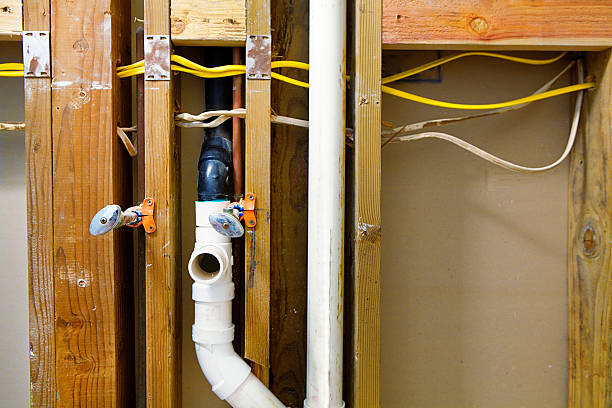
PVC pipe fittings are molded connectors designed to join, redirect, or terminate PVC pipes. Common shapes include:
- Elbows: Change direction, typically 45° or 90°
- Tees: Create branch connections
- Couplings: Connect straight pipe ends
- Crosses: Four-way connections
- Caps and Plugs: Close pipe ends
- Adapters: Connect PVC to other materials
Because of their standardized dimensions and ease of use, these fittings provide endless design flexibility.
Creative and Functional DIY Uses for PVC Pipe Fittings
1. Custom Furniture
PVC fittings allow you to build lightweight, durable furniture such as:
- Shelving units and storage racks
- Tables and benches
- Chair frames and stools
With some creativity, you can assemble modular pieces that are easy to customize or expand.
2. Garden Structures
PVC pipe fittings help build:
- Garden trellises for climbing plants
- Raised garden beds and frames
- Greenhouse supports or cold frames
The weather-resistant nature of PVC makes it suitable for outdoor gardening solutions.
3. Storage Solutions
Organize your space by creating:
- Bike racks and tool holders
- Closet organizers and garment racks
- Sports equipment stands
PVC’s versatility allows for tailor-made storage fitting your exact needs.
4. Pet Projects
DIYers can craft pet-friendly structures:
- Dog agility courses
- Pet gates and playpens
- Small animal cages or habitats
PVC fittings help create safe, sturdy, and easy-to-clean frames.
5. Temporary or Portable Structures
For events or seasonal needs, PVC fittings are great for:
- Canopy frames and tents
- Display stands and market booths
- Portable greenhouses or shelters
These can be assembled and disassembled quickly, making them highly flexible.
Tips for Choosing the Right PVC Fittings for Your DIY Project
✔ Consider the Load and Stability
Think about how much weight the structure must support. Larger diameter pipes and fittings provide greater strength.
✔ Select the Right Fitting Type
Choose fittings that match your design needs—elbows for corners, tees for branching, couplings for lengthening pipes.
✔ Decide Between Permanent or Temporary
- For permanent builds, use PVC primer and solvent cement to bond fittings securely.
- For adjustable projects, opt for friction-fit or threaded fittings that allow easy disassembly.
✔ Plan for Outdoor Use
If the project will be outdoors, use UV-resistant fittings or paint your finished structure with UV-protective paint.
✔ Match Pipe and Fitting Sizes
Ensure fittings correspond exactly to your pipe diameter (e.g., 1/2", 3/4", 1").
Assembly Tips: Building with PVC Pipe Fittings
- Measure and Plan Your Design
Sketch your project with dimensions to calculate how many pipes and fittings you need. - Cut Pipes Accurately
Use a PVC pipe cutter or fine-toothed saw for clean cuts. - Dry-Fit Pieces First
Assemble all components without glue to ensure fit and alignment. - Prepare for Glue (if permanent)
Clean pipe ends and fittings, apply primer, then solvent cement as per instructions. - Insert Pipes Fully and Hold
When gluing, insert pipes fully into fittings and hold for 30 seconds to set. - Allow Full Cure Time
Let glue dry for at least 15 minutes before moving parts, and 24 hours before load-bearing use.
Safety and Maintenance Considerations
- Avoid exposing PVC structures to open flames or extreme heat.
- Regularly inspect outdoor structures for UV damage or cracking.
- Clean surfaces with mild soap and water to keep them looking fresh.
- For heavy loads, reinforce structures with additional bracing or supports.
Conclusion: Let Your PVC Pipe Dreams Take Shape
PVC pipe fittings open up a world of creative and functional possibilities for DIY enthusiasts. With their affordability, ease of use, and adaptability, you can build everything from simple storage racks to complex garden installations. By carefully planning your project, selecting the right fittings, and following proper assembly techniques, your PVC creations will be both sturdy and stylish.
Whether you’re a beginner or seasoned DIYer, PVC fittings are versatile tools that turn pipe dreams into reality.