
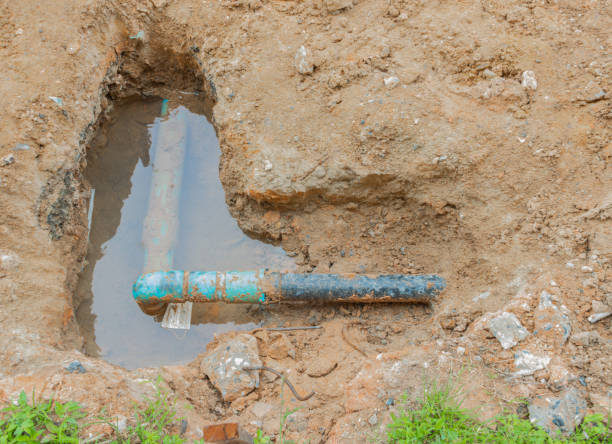
Introduction: A Lightweight Pipe for Practical Projects
Schedule 20 PVC pipe offers a lightweight and low-cost solution for many residential and light commercial needs. Contractors, homeowners, and DIYers often choose this type of pipe when they don’t need high-pressure resistance but still require reliable flow, easy handling, and straightforward installation. Its thin wall structure makes it ideal for gravity-fed or low-pressure applications like drainage, ducting, and protective sleeves.
In this article, we explain what Schedule 20 PVC pipe is, where and how you can use it, how to choose the right product, how to install it correctly, and how it compares to other piping options.
FAQs About Schedule 20 PVC Pipe
1. What is Schedule 20 PVC pipe used for?
You can use it for non-pressurized systems such as drainage, venting, and conduit installations.
2. Can Schedule 20 PVC handle water pressure?
No, it isn’t pressure-rated and doesn’t work well for systems that require high PSI resistance.
3. What sizes are available?
Manufacturers offer sizes typically ranging from ½ inch to 6 inches in diameter.
4. Is Schedule 20 suitable for underground use?
You can bury it for light-duty applications, such as yard drainage, but avoid areas with heavy traffic or load.
5. How is it different from Schedule 40 PVC?
Schedule 20 has thinner walls, weighs less, and costs less. However, Schedule 40 can handle higher pressure and is stronger overall.

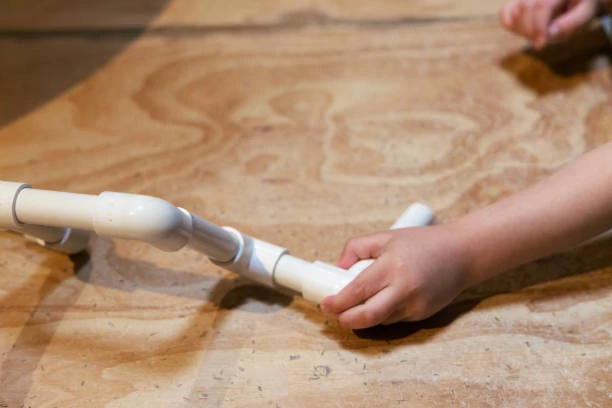
What Is Schedule 20 PVC Pipe?
Schedule 20 PVC pipe is a thin-walled piping product made from polyvinyl chloride (PVC). It follows ASTM D2729 standards and works well in systems where pressure isn’t a concern. Manufacturers design this pipe to move air, liquids, or cables with minimal resistance in systems that don’t need structural rigidity or high durability under pressure.
Key Characteristics:
- Lightweight and easy to handle
- Thin wall for flexibility and cost savings
- Smooth inner surface that promotes efficient flow
- Compatible with most standard PVC fittings
- Low-pressure rating (not suitable for pressurized water)
Because of these characteristics, builders and technicians can transport, cut, and install the pipe with minimal tools and effort.
Common Uses and Industries
People use Schedule 20 PVC pipe in multiple industries, especially where weight, cost, and ease of installation matter more than strength.
You can use it in:
- Residential drainage systems (e.g., yard runoff or gutter downspouts)
- Low-pressure air ducting in HVAC setups
- Cable conduit sleeves to protect wires underground
- Irrigation system sleeves that carry control wires or drip tubing
- DIY structures, like greenhouse frames, support arches, or craft projects
Agriculture, landscaping, and construction sectors often rely on this pipe when they want a fast, affordable, and light-duty solution.
Buying Guide: How to Choose the Right Pipe
To make a smart purchase, you should focus on several key factors that affect performance and safety.
Look for:
- Material quality: Choose pipes made from virgin PVC resin for better strength and lifespan.
- Compliance and standards: Verify ASTM D2729 or equivalent certifications.
- Color coding: Although usually white, some pipes may use gray or green to indicate intended applications.
- Wall smoothness: Check that the interior surface is smooth to reduce flow resistance.
- Fitting compatibility: Ensure the pipe matches the fittings and accessories for your setup.
Ask your supplier for product datasheets or batch test results if you need verified specifications for larger jobs.
Installation Tips and Best Practices
Installing Schedule 20 PVC pipe is easy if you follow a few basic steps. Because the pipe isn’t built for pressure, the installation must focus on alignment, support, and sealing.
Follow these tips:
- Cut the pipe squarely using a pipe cutter or fine-tooth saw for clean, even joints.
- Dry-fit all pieces before applying glue to check alignment.
- Apply PVC primer and cement as directed on the labels, and press fittings firmly together.
- Support the pipe properly, especially over long distances, to avoid sagging.
- Avoid sharp bends or forced curves, which can cause cracking.
If you plan to bury the pipe, make sure the soil is loose and doesn’t contain large rocks or heavy traffic loads. For underground installation, add warning tape above the pipe to prevent accidental damage during future digging.
Schedule 20 PVC vs. Other Pipe Types
To help you choose wisely, we’ve compared Schedule 20 PVC with other popular piping options:
| Feature | Schedule 20 PVC | Schedule 40 PVC | CPVC | PEX | Metal Pipes (Copper, Steel) |
|---|---|---|---|---|---|
| Wall Thickness | Thin | Medium | Medium to thick | Thin and flexible | Thick |
| Pressure Rating | Not pressure-rated | Moderate (160–280 PSI) | High (up to 400 PSI) | Moderate (up to 160 PSI) | Very high |
| Weight | Very light | Light | Medium | Very light | Heavy |
| Installation Difficulty | Very easy | Easy | Medium | Easy | Hard |
| Common Use | Drainage, sleeves | Water lines, irrigation | Hot water, chemicals | Plumbing, heating | Industrial, structural |
| Price Level | Lowest | Moderate | High | Moderate | High |
You should choose Schedule 20 when cost, light weight, and ease of handling matter more than strength or pressure performance.
Conclusion: A Smart Option for Low-Pressure Jobs
Schedule 20 PVC pipe gives you a lightweight and budget-friendly alternative to heavier pipe types. If you’re managing drainage, protecting cables, or setting up a non-pressurized duct system, this pipe works well without adding unnecessary cost or complexity.
Builders, landscapers, and homeowners continue to rely on Schedule 20 for many light-duty projects. By selecting high-quality material, using proper installation techniques, and choosing the right diameter, you can achieve solid results with minimal effort.
Whether you're constructing a backyard drainage system or crafting a custom frame, Schedule 20 PVC pipe gives you the flexibility and reliability you need—without the weight.