
Introduction
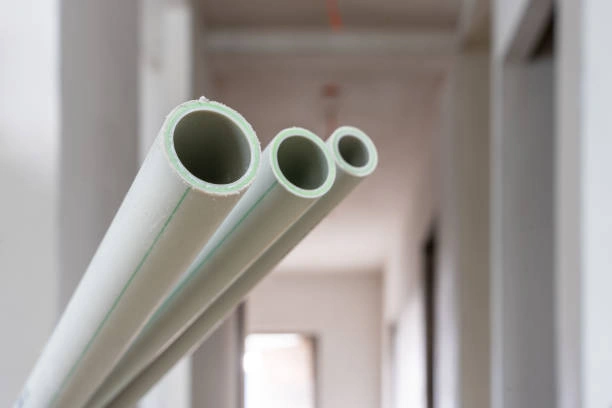
UPVC pipes continue to be a top choice for plumbing, irrigation, and industrial applications due to their durability, corrosion resistance, and affordability. However, like many materials, the prices of UPVC pipes fluctuate based on global market factors, raw material costs, and regional demand. Staying updated on the latest UPVC pipe price trends allows buyers to make informed purchasing decisions that optimize cost without sacrificing quality. In this article, we provide a comprehensive overview of current price trends in 2025 and share practical buying tips to help you navigate the market effectively.
Frequently Asked Questions (FAQ)
1. What factors influence UPVC pipe prices?
The main factors include the cost of PVC resin, manufacturing expenses, demand fluctuations, shipping fees, and currency exchange rates.
2. Have UPVC pipe prices increased or decreased recently?
Prices have seen moderate increases mainly due to rising raw material costs and supply chain disruptions.
3. Where can I find up-to-date UPVC pipe price lists?
Manufacturers, distributors, and online platforms frequently publish updated price lists reflecting market conditions.
4. How can I get the best deals on UPVC pipes?
You can secure better prices by buying in bulk, negotiating with suppliers, and sourcing locally when possible.
5. Are all UPVC pipes priced equally?
No. Prices vary by pipe diameter, pressure rating, wall thickness, and intended application.

Latest Price Trends of UPVC Pipes in 2025
The price of UPVC pipes depends primarily on the PVC resin market, which itself is influenced by global oil prices and geopolitical factors. In 2025, several trends emerged:
- Material cost increases: Raw material prices have risen by approximately 5-10% compared to the previous year, impacting UPVC pipe prices.
- Supply chain constraints: Occasional disruptions in logistics have caused short-term price volatility, especially for large or custom orders.
- Regional variation: Prices vary between regions due to differences in manufacturing capacity, tariffs, and transportation costs. For example, local production hubs tend to offer more stable and competitive pricing than imported pipes.
- Demand-driven spikes: Construction booms in certain markets temporarily push prices higher due to increased demand for UPVC pipes.
Typical prices for standard UPVC pipes range as follows (approximate retail prices per meter):
- 1/2 inch pipe: $0.5 – $0.8
- 1 inch pipe: $0.7 – $1.2
- 2 inch pipe: $1.5 – $2.5
- 4 inch pipe: $3.0 – $4.5
- 6 inch pipe: $4.5 – $6.5
Higher pressure ratings and thicker walls generally increase the price.
Buying Tips for UPVC Pipes
Purchasing UPVC pipes wisely ensures you get the best value and avoid costly errors. Follow these tips:
- Compare multiple suppliers: Obtain quotes from manufacturers, wholesalers, and local distributors to understand market prices.
- Buy in bulk: Ordering larger quantities typically unlocks volume discounts, lowering your per-unit cost.
- Verify product quality: Look for certifications such as ISO 1452 or ASTM standards to ensure pipe durability and safety.
- Factor in shipping costs: Transport fees can add substantially to your total cost, especially for heavy or oversized pipes.
- Check warranty and return policies: Reliable suppliers offer warranties that protect against defects and allow returns if necessary.
- Request samples if possible: Inspect samples to verify pipe quality before committing to a large order.
- Plan purchases ahead: Avoid last-minute buys that can force you to accept higher prices or limited stock availability.
Common Applications Influencing UPVC Pipe Price trends
Different applications require pipes with varying specifications, which affect price:
- Residential plumbing: Typically uses pipes with lower pressure ratings and thinner walls, making them more affordable.
- Industrial applications: Demand higher pressure pipes with specific chemical resistance, raising cost.
- Agricultural irrigation: Often uses medium-pressure pipes with UV resistance, moderately priced.
- Municipal infrastructure: Requires certified pipes meeting strict standards, sometimes at premium prices.
Choosing the correct pipe for the application helps optimize both performance and budget.
Installation Considerations Impacting Cost Efficiency
Proper installation of UPVC pipes ensures long-term reliability and reduces maintenance expenses. Consider these points:
- Use recommended solvent cement: This guarantees strong joints and prevents leaks.
- Clean pipe ends thoroughly: Dirt or grease reduces adhesive effectiveness.
- Allow adequate curing time: Follow manufacturer guidelines before pressurizing the system.
- Provide pipe supports: Proper brackets prevent sagging and joint stress.
- Avoid exposure to extreme temperatures: UPVC pipes can soften or become brittle outside their temperature tolerance.
Good installation practices preserve pipe integrity, maximizing your investment.
UPVC Pipes vs Other Pipe Materials: A Brief Comparison
| Feature | UPVC Pipes | HDPE Pipes | Steel/Galvanized Pipes |
|---|---|---|---|
| Weight | Lightweight | Lightweight | Heavy |
| Corrosion Resistance | Excellent | Excellent | Poor (rust prone) |
| Flexibility | Rigid | Flexible | Rigid |
| Temperature Range | Up to ~60°C | Higher (~80°C) | Very high |
| Chemical Resistance | Good (acids/alkalis) | Excellent | Moderate |
| Installation Ease | Easy (solvent welding) | Moderate (fusion welding) | Difficult (welding/threading) |
| Price | Generally low | Moderate | High |
| Environmental Impact | Moderate | Moderate | High (energy intensive) |
Conclusion
Understanding the latest UPVC pipe price trends equips buyers with the knowledge to purchase wisely in 2025. Although prices fluctuate due to raw materials and market dynamics, you can save costs by comparing suppliers, buying in bulk, and verifying product quality. Matching pipe specifications to your application and following proper installation methods ensures system longevity and performance. Compared to other pipe materials, UPVC strikes a solid balance between affordability, durability, and ease of use, making it a preferred choice across many industries.
By staying informed and planning purchases carefully, you can optimize both your budget and project success when buying UPVC pipes.