
Introduction
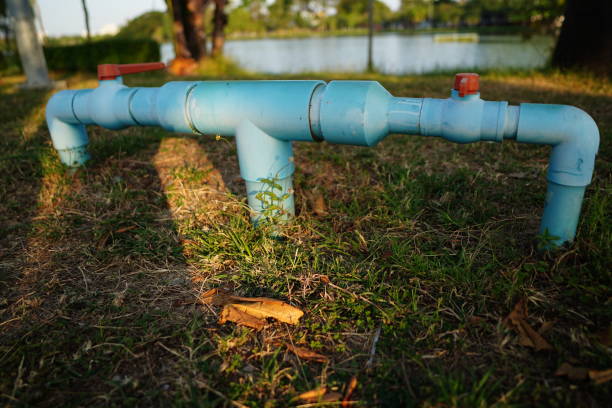
A PVC one way valve—also known as a check valve or non-return valve—is a simple yet essential component used in plumbing and fluid systems to allow liquid or gas to flow in one direction only. This valve prevents the backflow of fluids, which can cause contamination, damage, or system failure. Made from durable polyvinyl chloride (PVC), these valves are lightweight, corrosion-resistant, and ideal for a wide range of residential, commercial, and industrial applications.
What Is a PVC One Way Valve?
A PVC one way valve is a mechanical device installed within a piping system to permit flow in a single direction while automatically preventing reverse flow. It typically contains an internal mechanism—such as a flap, ball, or diaphragm—that opens when fluid flows forward and closes tightly when the flow tries to reverse.
Key Characteristics:
- Made from PVC, offering excellent chemical resistance
- Allows unidirectional flow
- Automatically prevents backflow without manual intervention
- Available in various sizes and connection types (threaded, slip, compression)
- Lightweight, easy to install and maintain
How Does a PVC One Way Valve Work?
The valve operates purely by the pressure of the fluid flowing through it. Here’s how it functions:
- Forward Flow: When fluid pressure is applied from the inlet side, the internal mechanism (e.g., a spring-loaded disc or a swinging flap) opens, allowing fluid to pass freely through the valve.
- Reverse Flow: If the fluid tries to flow backward, the valve’s internal mechanism quickly closes against the seat, forming a tight seal that prevents any reverse movement.
This automatic opening and closing action protects pumps, pipes, and equipment downstream from damage caused by backflow or water hammer.
Common Types of PVC One Way Valves
- Swing Check Valve: Uses a hinged flap that swings open with forward flow and swings closed when flow reverses.
- Spring Check Valve: Uses a spring-loaded disc that closes quickly to prevent backflow, ideal for vertical or pulsating flow systems.
- Ball Check Valve: Contains a ball inside the valve body that moves away from the seat during forward flow and returns to seal when flow reverses.
Applications of PVC One Way Valves
PVC one way valves find use in many systems, such as:
- Residential Plumbing: Preventing sewage or wastewater backflow into clean water supplies.
- Irrigation Systems: Keeping water flowing correctly through drip and sprinkler lines.
- Aquariums and Ponds: Maintaining steady water flow and preventing contamination.
- Industrial Fluid Systems: Handling chemicals, wastewater, and corrosive fluids safely.
- Pool and Spa Systems: Preventing water from draining back into pumps or filters.
How to Choose the Right PVC One Way Valve
When selecting a PVC one way valve, consider:
- Size: Match valve size to pipe diameter (e.g., 1 inch, 2 inches).
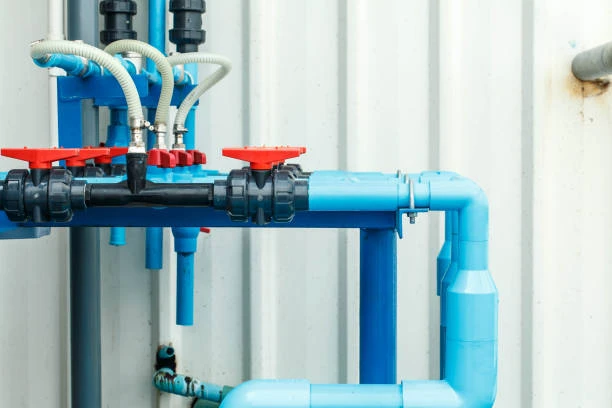
- Connection Type: Slip (glue), threaded, or compression fittings.
- Flow Characteristics: Choose swing, spring, or ball types based on flow conditions.
- Pressure and Temperature Ratings: Ensure the valve can handle your system’s maximum pressure and temperature.
- Certification: For potable water or food-grade applications, select valves certified for safety.
Installation Tips
- Confirm the flow direction by checking the arrow on the valve body.
- Clean pipe ends before installation for a strong bond (if glued).
- Use proper PVC primer and cement for solvent-weld fittings.
- For threaded connections, apply PTFE tape to ensure a leak-free seal.
- Avoid overtightening, which can damage the valve or pipe.
- After installation, test the system for leaks and proper function.
PVC One Way Valve vs Other Valve Types
| Feature | PVC One Way Valve | Ball Valve | Gate Valve |
|---|---|---|---|
| Function | Allows flow one way | Manual on/off control | Manual on/off control |
| Operation | Automatic | Manual | Manual |
| Flow Restriction | Minimal to moderate | Low | Low |
| Maintenance | Low | Medium | Medium |
| Typical Use | Backflow prevention | Shut-off applications | Flow regulation |
Conclusion
A PVC one way valve is a simple yet vital device for ensuring fluid flows in the correct direction, preventing backflow, contamination, and damage in plumbing and industrial systems. Thanks to its durability, corrosion resistance, and ease of installation, PVC one way valves remain a popular choice for diverse applications from home irrigation to complex chemical processing.
By selecting the right valve type and size and following proper installation practices, you can maintain system efficiency and longevity with minimal maintenance.