
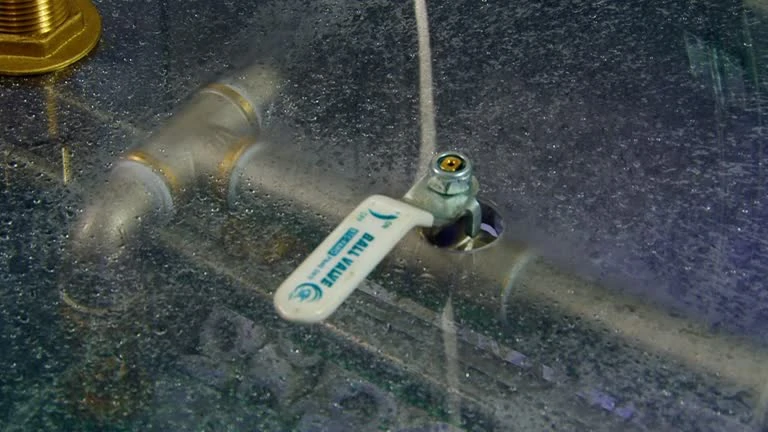
When dealing with fluid or gas control in small systems, precision and reliability are absolutely crucial. Therefore, the 1/4 inch brass valve offers an ideal solution for compact and efficient flow control. Thanks to its small size and robust construction, this valve type is widely used in various industries, including plumbing, HVAC, instrumentation, and compressed air systems.
In this article, we will first explain what a 1/4 inch brass valve is and its key features. Then, we will explore typical applications, guide you on how to choose the right valve, share installation tips, and finally compare it with valves of other sizes and materials.
Frequently Asked Questions (FAQ)
1. What is a 1/4 inch brass valve?
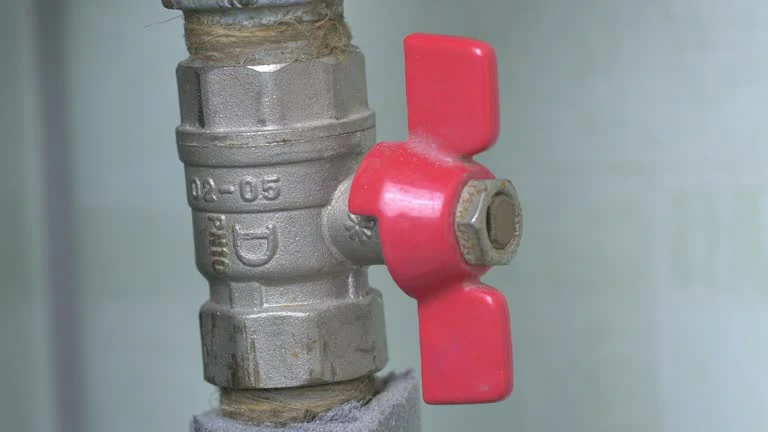
Simply put, it is a small-sized valve made of brass, with a 1/4 inch connection diameter, used to control flow in compact piping or tubing systems.
2. Where are 1/4 inch brass valves commonly used?
They are often found in instrumentation, pneumatic systems, small water lines, fuel lines, and refrigeration units.
3. Why choose brass for small valves?
Brass combines corrosion resistance, strength, and machinability, which ensures durable and leak-proof connections.
4. Can these valves handle high pressure?
Yes, many 1/4 inch brass valves are rated for pressures up to several hundred PSI, depending on the design.
5. How do I maintain a 1/4 inch brass valve?
Regular inspection for leaks and ensuring smooth operation, plus cleaning when needed, keep the valve reliable over time.
What Is a 1/4 Inch Brass Valve?
A 1/4 inch brass valve is a valve whose inlet and outlet ports are sized for 1/4 inch diameter tubing or pipe connections. The valve body is made of brass, an alloy of copper and zinc, known for excellent corrosion resistance and mechanical durability.
These valves often come in ball valve, needle valve, or check valve styles. Each type is suited to different control needs. Given their small size, they are perfect for systems where space is limited or fine flow adjustment is required.
Key Features of 1/4 Inch Brass Valves
Firstly, their compact size makes them ideal for installations with limited space or small-diameter piping. In addition, corrosion resistance ensures brass withstands rust and chemical attack, prolonging service life.
Moreover, many models handle pressures ranging from 300 PSI to 1000 PSI, providing solid pressure capability. The temperature range suitability spans from -20°C to over 120°C depending on seals used.
Furthermore, these valves offer versatile connection types, available with compression, threaded, or push-fit ends. Lastly, easy operation is guaranteed as ball valves provide quick shutoff, while needle valves allow precise flow control.
Typical Applications
1/4 inch brass valves play an essential role in many fields. For example, in instrumentation, they enable precise fluid control in measurement and test equipment. Similarly, they regulate air flow in pneumatic systems such as compressors and tools.
Additionally, these valves ensure safe shutoff in small fuel lines used for engines or heaters. They also control refrigerant flow in refrigeration and HVAC systems. In water treatment, they manage flow in small water supply lines or filtration units. Lastly, laboratories rely on them for reliable and compact valves in fluid handling.
How to Choose the Right 1/4 Inch Brass Valve
When choosing the appropriate valve, consider the valve type first. For on/off control, ball valves are preferred; for fine adjustment, needle valves fit better; and check valves are necessary for one-way flow.
Next, ensure the pressure and temperature ratings match your system’s operating conditions. Selecting the proper seal material is also important—PTFE seals work well with chemicals, while rubber suits water.
Additionally, match the connection type with your piping—threaded, compression, or push-fit are common options. Lastly, check for certifications, especially if used in potable water or gas lines, to ensure compliance with safety standards.
Installation Tips
To ensure proper installation, always use appropriate thread sealant or tape on threaded fittings to prevent leaks. At the same time, avoid overtightening, as this can damage threads or valve bodies.
It is also essential to install valves in accessible locations for easy operation and maintenance. After installation, test valves under system pressure to check for leaks. Moreover, operating valves occasionally helps prevent stiffness or seizing.
1/4 Inch Brass Valves vs Other Sizes and Materials
| Feature | 1/4 Inch Brass Valve | Larger Brass Valves | Plastic Valves |
|---|---|---|---|
| Size | Compact, fits small lines | Suitable for larger pipes | Lightweight, less durable |
| Pressure Handling | High (up to 1000 PSI) | Similar or higher | Lower, usually <150 PSI |
| Temperature Range | Moderate to high | High | Limited |
| Corrosion Resistance | Excellent | Excellent | Good, but less than brass |
| Cost | Moderate | Higher | Lower |
| Application | Precise control, instrumentation | General plumbing and industry | Budget-friendly, light duty |
This comparison highlights why the 1/4 inch brass valve is an excellent choice when precision and compact size matter.
Conclusion
In summary, the 1/4 inch brass valve provides a compact, durable, and reliable solution for flow control in small systems. Whether used in instrumentation, pneumatics, or fuel lines, these valves deliver excellent performance thanks to their corrosion resistance and pressure handling capabilities.
By choosing the right valve type and following proper installation procedures, you can ensure smooth operation and system safety. Ultimately, for applications demanding space-saving and precision, the 1/4 inch brass valve remains a trusted choice.