
Introduction
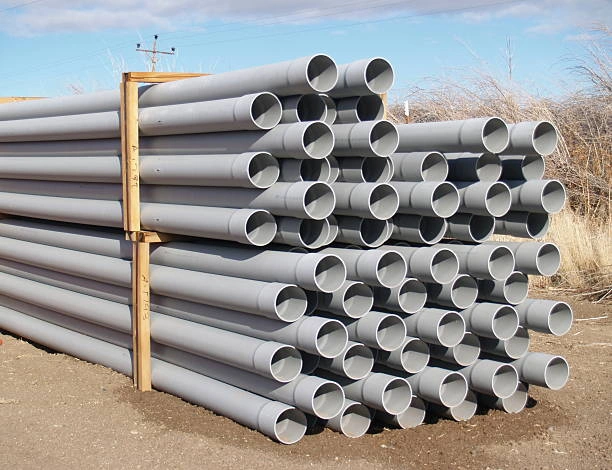
Choosing the right piping material for hot water systems is crucial for long-term performance, safety, and cost-efficiency. Among the many available options, CPVC (Chlorinated Polyvinyl Chloride) pipe stands out as a superior choice due to its excellent heat resistance, durability, and affordability. This article explores everything you need to know about using CPVC pipe for hot water applications—from its core features to installation tips and comparisons with other piping materials. Whether you're a homeowner, contractor, or facility manager, understanding why CPVC is ideal for hot water will help you make smarter plumbing decisions.
Frequently Asked Questions (FAQs)
1. Can CPVC pipes handle high temperatures?
Yes, CPVC pipes are designed to withstand temperatures up to 200°F (93°C), making them suitable for hot water systems in residential, commercial, and industrial settings.
2. Is CPVC safe for drinking water?
Absolutely. CPVC pipes are approved by major health and safety standards like NSF/ANSI 61, ensuring they are safe for potable water use.
3. How long do CPVC hot water pipes last?
With proper installation and maintenance, CPVC pipes can last 50 years or more, especially when used in hot water systems.
4. Can I glue CPVC pipes for hot water systems?
Yes. CPVC solvent cement is used to create leak-free and heat-resistant joints. Always use glue specifically formulated for CPVC.
5. Is CPVC cheaper than copper for hot water plumbing?
Yes. CPVC is generally more affordable than copper and offers lower labor and material costs while delivering excellent performance.

What Is CPVC Pipe for Hot Water?
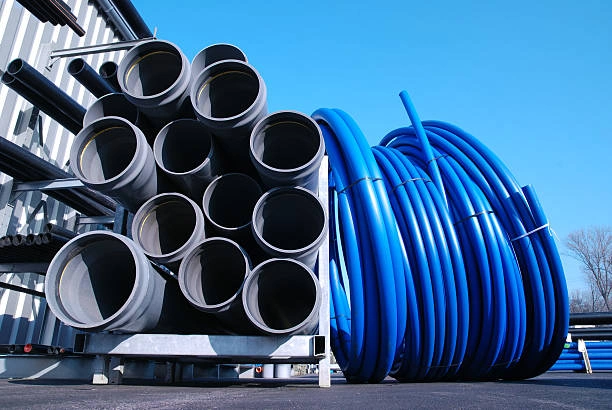
CPVC stands for Chlorinated Polyvinyl Chloride. It is a thermoplastic material modified from standard PVC by adding chlorine molecules. This enhancement improves its thermal stability and pressure-bearing capabilities. Specifically, CPVC pipes used for hot water are engineered to endure high temperatures without softening, deforming, or leaking.
The key properties that make CPVC ideal for hot water include:
- High temperature resistance: Can handle water up to 200°F.
- Corrosion resistance: Immune to rust, pitting, or scaling, unlike metal pipes.
- Chemical resistance: Suitable for use with chemically treated water.
- Smooth interior surface: Reduces pressure drop and prevents buildup.
- Low thermal conductivity: Helps maintain water temperature and reduce heat loss.
These advantages make CPVC a strong candidate for both domestic and industrial hot water systems.
Common Uses and Industries
CPVC pipes are widely used in a variety of hot water applications, including:
- Residential Plumbing: Ideal for hot water distribution to bathrooms, kitchens, and laundry rooms.
- Commercial Buildings: Used in hotels, office complexes, and schools for efficient hot water supply.
- Industrial Facilities: Suitable for hot water lines in factories and processing plants.
- Healthcare Facilities: Safe and reliable for delivering sanitized hot water.
- Hospitality Sector: Common in spas, gyms, and resorts that require constant hot water access.
Thanks to its versatility and performance, CPVC meets the demands of both small-scale and high-volume water systems.
Buying Guide: What to Look for
When selecting CPVC pipes for hot water, several factors should be considered to ensure long-lasting and safe operation:
- Material Grade: Always opt for CPVC pipes labeled for hot water use and pressure-rated accordingly.
- Color Coding: Many CPVC hot water pipes are cream, tan, or orange to distinguish them from standard PVC.
- Certifications: Look for compliance with standards such as ASTM D2846 or NSF/ANSI 61.
- Pipe Size: Choose the appropriate diameter—common sizes include ½", ¾", 1", and 2"—based on flow requirements.
- Brand Reputation: Trusted manufacturers often offer better quality control and warranty options.
- Country Standards: Ensure the product aligns with your local plumbing codes and temperature regulations.
Making the right purchase decision upfront minimizes future maintenance and enhances the overall efficiency of your water system.
Installation Tips
Although CPVC installation is relatively easy, following best practices is important to ensure optimal performance and safety:
- Use CPVC-Specific Cement: Always use the right solvent cement designed for CPVC; PVC glue is not compatible.
- Cut Cleanly: Use a CPVC pipe cutter for straight and burr-free cuts to ensure proper joint bonding.
- Avoid Flame Exposure: Never use open flames near CPVC; it’s a thermoplastic and may deform under direct heat.
- Allow for Expansion: CPVC expands when heated, so allow space for thermal expansion with loops or offsets.
- Follow Cure Times: Let the cement fully cure before turning on the hot water. Cure times vary by temperature and pipe size.
Professional or DIY, a clean and thoughtful installation will greatly enhance the pipe’s performance and longevity.
CPVC vs Other Pipe Materials for Hot Water
| Feature | CPVC Pipe | Copper Pipe | PEX Pipe | PVC Pipe |
|---|---|---|---|---|
| Temperature Limit | Up to 200°F (93°C) | Up to 180°F (82°C) | Up to 200°F (93°C) | Not suitable for hot water |
| Corrosion Resistance | Excellent | Can corrode over time | Excellent | Excellent |
| Installation | Easy (solvent welding) | Moderate (soldering needed) | Very easy (flexible) | Easy but cold-water only |
| Cost | Affordable | Expensive | Moderate | Cheapest |
| Lifespan | 50+ years | 50+ years | 40–50 years | Not designed for hot water |
| Maintenance | Low | Medium | Low | Low |
As shown, CPVC stands out for its temperature tolerance, ease of use, and affordability. While PEX also performs well, it may not be as chemically resistant. Copper, while traditional and durable, is costly and requires skilled installation. PVC, although low-cost, is unsuitable for hot water.
Conclusion
CPVC pipe for hot water is an excellent choice for a wide range of plumbing systems. Its ability to withstand high temperatures, resist corrosion, and offer easy installation makes it a go-to material for professionals and DIYers alike. When chosen correctly and installed properly, CPVC can provide decades of reliable service. Compared to other piping options, it strikes a perfect balance between performance, safety, and cost-effectiveness.
If you're planning a hot water plumbing project—whether at home or in a commercial setting—CPVC is a solution you can trust. Choose the right product, follow correct installation methods, and enjoy a dependable hot water system for years to come.