

When it comes to controlling backflow in high-pressure systems, few components perform better than the 1 inch brass check valve. These valves are reliable, corrosion-resistant, and ideal for applications where pressure stability and flow direction control are critical. From water pumps to industrial piping and irrigation systems, 1-inch brass check valves offer a perfect balance between performance, durability, and versatility.
In this guide, we’ll explore the features, uses, installation tips, and comparisons that will help you decide if this is the right valve for your project.
Frequently Asked Questions (FAQ)
1. What is a 1 inch brass check valve?
It’s a one-way valve made of brass that allows fluid to flow in one direction while preventing reverse flow. It has a 1-inch connection size.
2. Where are brass check valves commonly used?
They are used in water pumps, heating systems, irrigation, compressors, and industrial applications.
3. Can a brass check valve handle high pressure?
Yes, brass check valves are designed to work under medium to high-pressure conditions, typically up to 200–600 PSI depending on the model.
4. How long do brass check valves last?
With proper installation and use, they can last over 10–20 years due to brass's corrosion resistance.
5. Are brass check valves better than plastic ones?
For high-pressure and long-term applications, brass offers better strength, heat resistance, and longevity than plastic.
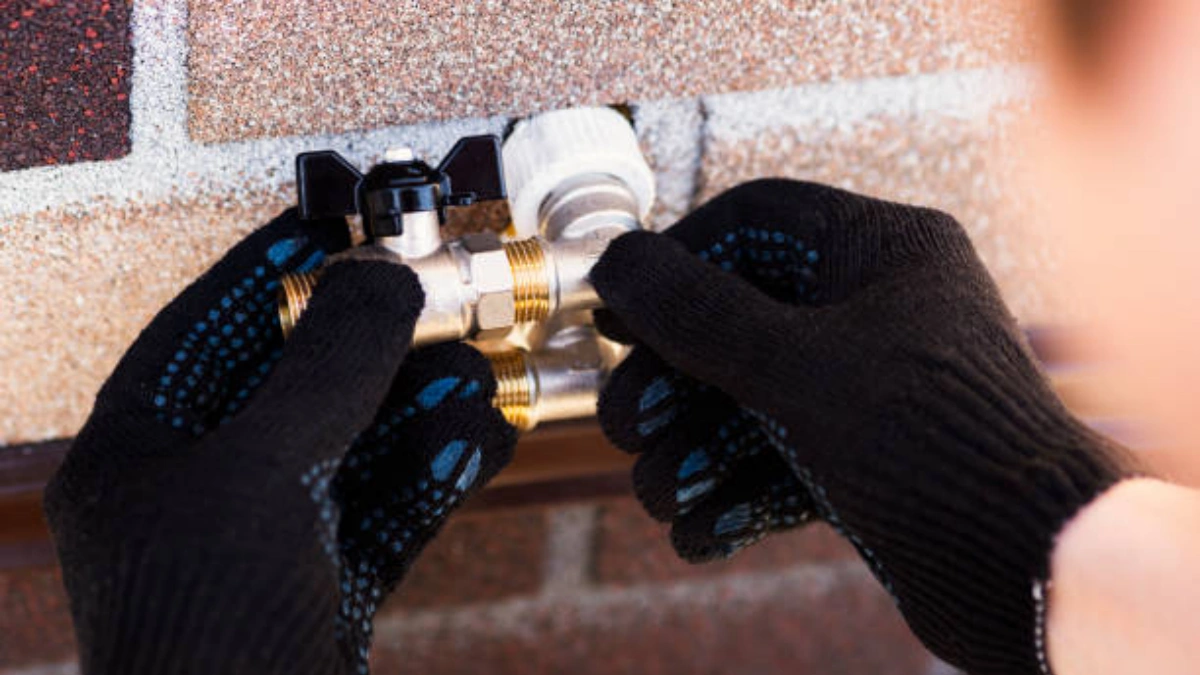
What Is a 1 Inch Brass Check Valve?
A 1 inch brass check valve is a mechanical valve that allows liquids or gases to flow in only one direction. The 1-inch designation refers to its inlet and outlet size, making it suitable for medium to large-scale piping systems. These valves are made of solid brass, a material known for its excellent corrosion resistance, heat tolerance, and strength.
The internal mechanism typically includes a spring-loaded disc or swing flap that opens with forward flow and closes automatically if flow reverses. This prevents backflow, protecting pumps, piping, and equipment from damage.
Key Features and Benefits
Choosing a brass check valve means choosing long-term reliability. Here are the main advantages:
- High Pressure Capability: Can handle pressures typically ranging from 200 PSI to over 600 PSI.
- Corrosion Resistance: Brass resists rust, scaling, and chemical corrosion.
- Thermal Stability: Ideal for hot water systems and temperature variations.
- Durable Body: Solid construction reduces the risk of cracking or failure under load.
- Low Maintenance: Internal parts are often self-sealing and maintenance-free.
- Versatile Use: Compatible with water, air, oil, gas, and other non-aggressive fluids.
These features make 1 inch brass check valves ideal for demanding environments.
Common Applications
1 inch brass check valves are widely used across different industries and systems, including:
- Water Pumps and Wells: Prevent water from flowing back into the pump after shutoff.
- HVAC Systems: Keep hot water moving in one direction through heating loops.
- Sprinkler and Irrigation Systems: Maintain water pressure and prevent back-siphonage.
- Air Compressors: Avoid air leaks and pressure drops when the compressor is off.
- Fuel and Oil Lines: Ensure safe and clean flow in mechanical and industrial systems.
- Fire Suppression Systems: Act as fail-safes in emergency piping networks.
No matter the system, a brass check valve ensures one-way flow control under pressure.
Buying Guide: What to Consider
To choose the right 1 inch brass check valve, pay attention to these key factors:
- Check Type: Swing check, spring-loaded, or inline types—each fits specific applications.
- Flow Direction Marking: Ensure the valve has clear direction indicators.
- Operating Pressure Range: Confirm the maximum pressure rating for your use case.
- Connection Type: Threaded (NPT or BSP), soldered, or compression fittings.
- Material Certification: Look for compliance with safety and material standards like NSF, CE, or WRAS.
- Temperature Range: Make sure it can handle your fluid temperature, especially for hot water or steam.
- Body and Seal Quality: High-grade seals (EPDM, PTFE) enhance leak prevention.
Choose a trusted brand or supplier to ensure consistent performance and safe operation.
Installation Tips
Proper installation extends the lifespan and effectiveness of any check valve. Follow these tips:
- Install in Correct Flow Direction: Use the arrow marking on the valve body.
- Use Teflon Tape or Sealant: Prevent leaks at threaded connections.
- Avoid Over-Tightening: Brass threads are soft—hand-tight plus a wrench turn is enough.
- Install Horizontally or Vertically: Depending on valve type (some spring-loaded models allow both).
- Flush the Line First: Remove any debris that could obstruct the valve or damage the seal.
- Provide Access for Maintenance: Install in a reachable location in case cleaning or replacement is needed.
Routine checks ensure the valve remains free of buildup and functions correctly under pressure.
1 Inch Brass Check Valves vs Other Materials
Let’s compare brass with other common valve materials:
| Feature | Brass Check Valve | Plastic Check Valve | Stainless Steel Valve |
|---|---|---|---|
| Durability | Excellent | Moderate | Excellent |
| Pressure Handling | 200–600 PSI | 50–150 PSI | 600–1000+ PSI |
| Corrosion Resistance | Very Good | Low (UV, chemical-sensitive) | Excellent |
| Heat Tolerance | High | Low | Very High |
| Weight | Medium | Light | Heavy |
| Price | Moderate | Low | High |
| Service Life | 10–20 Years | 3–5 Years | 15–30 Years |
Conclusion: Brass valves strike a great balance between cost, performance, and durability—ideal for high-pressure residential and industrial use.
Conclusion
1 inch brass check valves offer a high-pressure solution you can trust. Whether you’re working on a water pump system, an irrigation network, or an industrial pipeline, these valves provide reliable one-way flow and long-lasting performance. Their corrosion resistance, mechanical strength, and ease of installation make them an essential part of any robust plumbing or fluid control setup.
When choosing a valve, always consider pressure ratings, seal quality, and application type. With proper installation and periodic inspection, your brass check valve will serve you for many years—protecting your system and ensuring efficiency.