
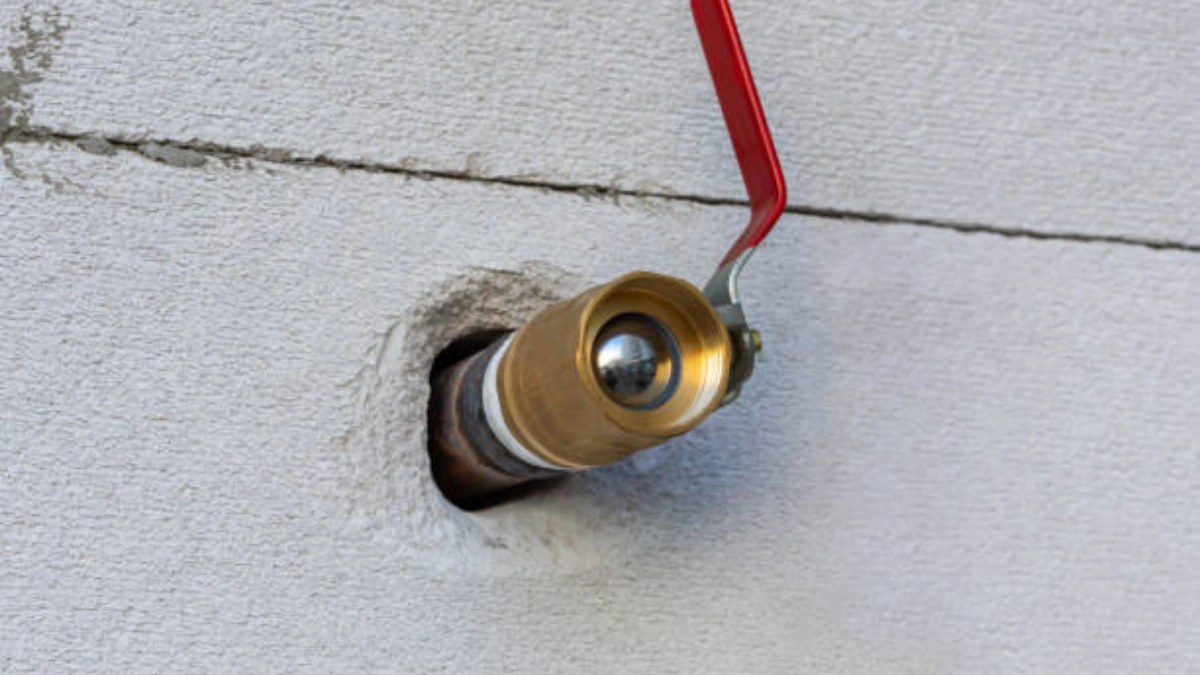
In industrial settings where durability, flow control, and pressure resistance are critical, 3 inch brass ball valves stand out as one of the most reliable choices. With a wide bore for high-volume flow and a solid brass body that resists corrosion, these valves are essential components in systems handling water, gas, oil, or steam.
In this guide, we’ll explore what makes 3 inch brass ball valves ideal for industrial applications, how they function, where to use them, how to choose the right model, and how they compare to other types of valves.
FAQ – Frequently Asked Questions
1. What is a 3 inch brass ball valve?
It’s a large-diameter valve with a brass body and internal ball mechanism that controls flow. It has 3-inch connections for high-volume pipelines.
2. Where are 3 inch brass ball valves used?
They are used in factories, HVAC systems, oil and gas lines, water treatment plants, and other heavy-duty industrial systems.
3. Why choose brass for a ball valve?
Brass offers strength, corrosion resistance, thermal stability, and ease of machining, making it ideal for industrial environments.
4. Can a brass ball valve handle high pressure?
Yes, most 3 inch brass ball valves can withstand pressures from 200 to over 600 PSI, depending on design.
5. Are these valves manually or automatically operated?
They are available in both manual handle-operated and automated (electric or pneumatic actuator) versions.
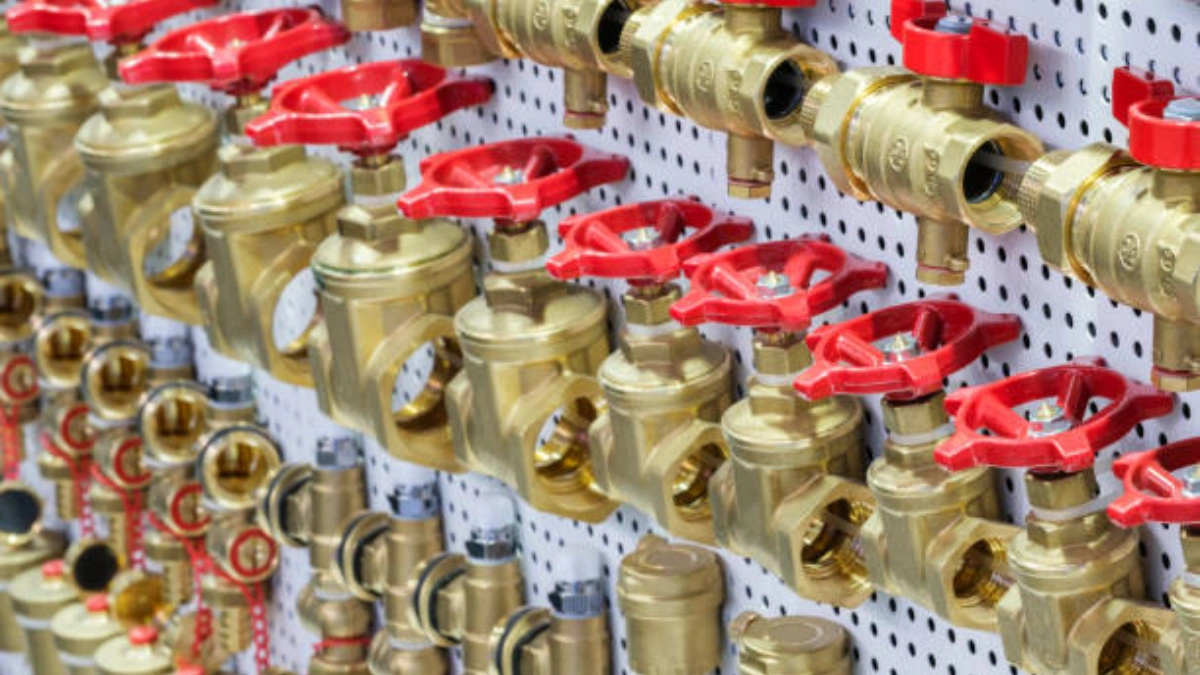
What Is a 3 Inch Brass Ball Valve?
A 3 inch brass ball valve is a quarter-turn valve with a spherical disc inside (the "ball") that regulates fluid flow. When the ball’s hole aligns with the pipe, flow occurs. When rotated 90 degrees, the valve shuts off the flow completely.
The 3 inch size indicates a wide bore, making this valve ideal for high-capacity systems. Constructed from brass, these valves are known for their resistance to rust, long lifespan, and ability to handle both high pressure and high temperatures.
Key Features and Advantages
Choosing a 3 inch brass ball valve comes with many benefits, particularly in industrial settings:
- High Flow Capacity: The 3-inch diameter supports large volumes of liquid or gas.
- Quick Shutoff: The quarter-turn design allows fast and reliable control.
- Corrosion Resistance: Brass resists rust and mineral buildup even in demanding environments.
- Thermal Tolerance: Operates safely in both hot and cold systems.
- Durability: Thick brass walls and strong seals make them suitable for high-pressure applications.
- Versatility: Compatible with water, air, gas, oil, and many chemical substances.
- Maintenance-Friendly: Simple internal design makes cleaning and replacement easier.
For industries that demand performance and reliability, brass ball valves offer peace of mind.
Industrial Applications of 3 Inch Brass Ball Valves
These valves are used across a wide range of industrial sectors:
- Water Treatment and Distribution: Control flow in pumping stations and filtration systems.
- HVAC Systems: Regulate chilled or hot water loops in commercial and industrial buildings.
- Oil and Gas Lines: Manage flow of petroleum-based products or gas in processing and storage facilities.
- Chemical Plants: Brass can resist many mild to moderate chemicals.
- Manufacturing Lines: Used in cooling circuits, hydraulic systems, and process pipelines.
- Agriculture and Irrigation: Control high-capacity water flow in large-scale farms.
The robust nature of these valves allows them to perform well even in tough and continuous-use environments.
Buying Guide: What to Look For
Before purchasing a 3 inch brass ball valve, consider these important factors:
1. Pressure and Temperature Ratings
Make sure the valve matches your system’s requirements. Many brass ball valves handle 200–600 PSI and up to 150°C.
2. End Connections
Choose from threaded, flanged, or socket weld ends based on your piping system.
3. Valve Type
- Full Port: Allows maximum flow with minimal restriction.
- Standard Port: Slightly smaller bore, but more compact and economical.
4. Handle or Actuation
- Manual handles are common for simplicity.
- Pneumatic or electric actuators are better for automated industrial systems.
5. Certifications
Look for valves certified to ISO, CE, ANSI, or other relevant standards for quality and safety.
6. Seal Material
Check if the seals (usually PTFE, Teflon, or EPDM) are compatible with your media (e.g., gas, oil, or chemicals).
Installation Tips
Proper installation ensures optimal performance and safety:
- Check Alignment: Ensure valve is installed with flow direction in mind if required.
- Use Thread Sealant: For threaded connections, apply Teflon tape or paste to prevent leaks.
- Tighten Evenly: Use a wrench carefully to avoid over-torquing brass threads.
- Allow Space: Leave room for handle movement or actuator access.
- Test Before Use: Conduct a pressure test after installation to check for leaks.
If used in an automated system, ensure the actuator is calibrated and securely mounted.
Comparison Table: Brass vs Stainless vs PVC Valves
| Feature | Brass Ball Valve (3") | Stainless Steel Valve | PVC Valve |
|---|---|---|---|
| Material Strength | High | Very High | Low to Moderate |
| Corrosion Resistance | Good | Excellent | Good (chemical only) |
| Temperature Range | Up to 150°C | Up to 200°C | Up to 60°C |
| Pressure Tolerance | Up to 600 PSI | 1000+ PSI | Up to 150 PSI |
| Weight | Medium | Heavy | Light |
| Cost | Moderate | High | Low |
| Best For | Water, gas, oil | Harsh chemicals, high pressure | Low-cost or light-duty jobs |
Brass valves offer the best combination of affordability, strength, and compatibility for general industrial use.
Conclusion
3 inch brass ball valves are a solid choice for industrial professionals who need high flow capacity, long-lasting durability, and resistance to corrosion. Whether you’re managing water, gas, or oil in a high-pressure system, these valves provide quick shutoff, excellent sealing, and minimal maintenance.
When selecting the right valve, always consider your system’s pressure, temperature, and media type. A properly chosen and installed brass valve will serve your facility for years—reliably and efficiently.
Ready to upgrade your industrial system? Choose a 3 inch brass ball valve and take control with confidence.