Introduction: Why Brass Ball Valves Matter
In plumbing, HVAC, and industrial fluid control systems, one issue consistently threatens long-term performance: corrosion. When pipes and valves corrode, they weaken, leak, and eventually fail. That’s why corrosion-resistant brass ball valves have become a top choice for contractors and engineers seeking reliable, long-lasting components.
This article highlights the key benefits of brass ball valves designed to resist corrosion, and how they compare to other materials. You'll also learn where they work best, how to install them, and what to consider when selecting the right model.
Frequently Asked Questions (FAQ)
1. What is a corrosion-resistant brass ball valve?
It’s a valve made from a brass alloy that resists rust, mineral buildup, and degradation when exposed to water, air, or chemicals.
2. Where are these valves used?
They are used in water supply systems, irrigation, heating systems, compressed air lines, and industrial fluid systems.
3. What makes brass corrosion-resistant?
Brass has a natural resistance to corrosion thanks to its copper-zinc composition and the protective patina that forms on its surface.
4. How long do brass ball valves last?
Typically, they last 10–20 years or longer depending on the environment and usage conditions.
5. Are brass ball valves safe for drinking water?
Yes—especially when they are certified lead-free and meet standards like NSF/ANSI 61 or WRAS.

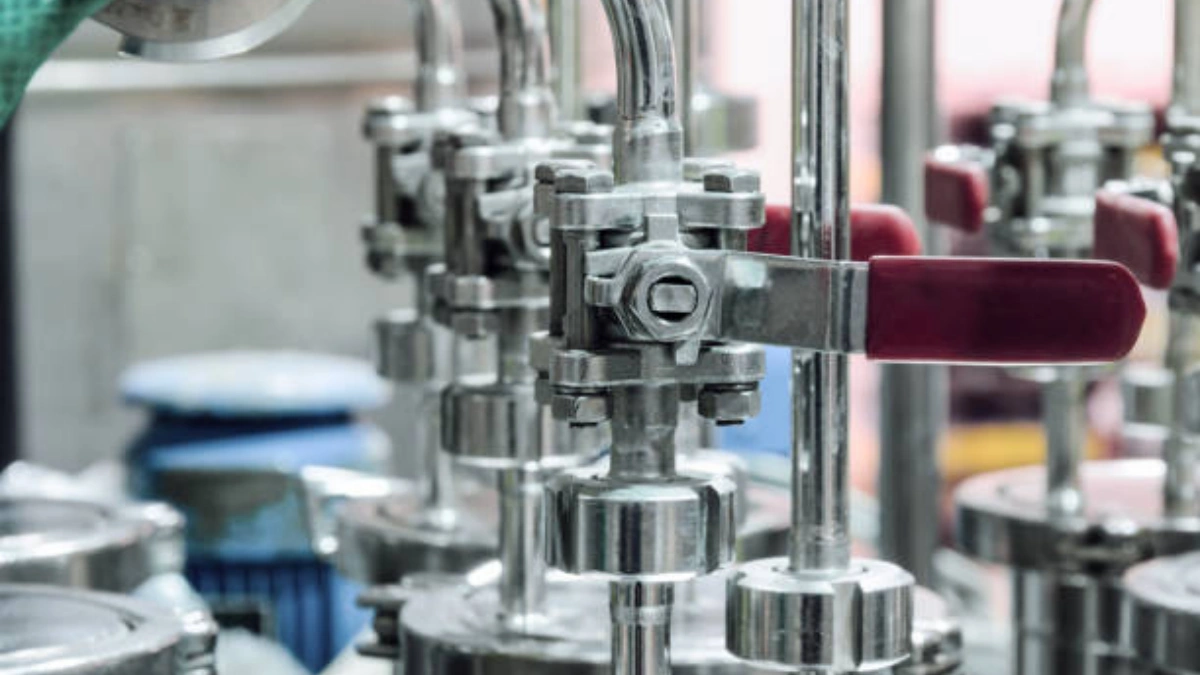
What Is a Corrosion-Resistant Brass Ball Valve?
A corrosion-resistant brass ball valve is a type of shut-off valve that uses a solid brass body to house a rotating ball with a hole through it. When the handle turns, the ball aligns (or blocks) the flow path. This valve type is widely valued for its simple, reliable operation and its ability to resist rust and wear over time.
Brass, an alloy of copper and zinc, has long been preferred in fluid systems due to its ability to handle moisture, salts, and mild chemicals without corroding quickly. In harsh environments or where long-term stability is needed, corrosion-resistant brass is the ideal material.
Key Benefits of Corrosion-Resistant Brass Ball Valves
1. Long Service Life
Brass valves resist rust, mineral scaling, and chemical reaction. This reduces maintenance needs and ensures the system runs smoothly for years.
2. Reliable Flow Control
Thanks to their internal ball mechanism, these valves provide quick shut-off and low torque operation—ideal for frequent opening and closing.
3. Versatility
Corrosion-resistant brass ball valves can be used in hot or cold water, gas, oil, and even some chemical applications without degrading.
4. Cost-Effective Durability
Compared to stainless steel, brass offers an excellent balance between price and lifespan. It’s more affordable but still robust in most common conditions.
5. Lead-Free Options Available
Modern brass valves are often made to comply with drinking water safety standards, especially in the U.S., EU, and UK.
6. Compact and Easy to Install
The valves come in various connection types—threaded, compression, push-fit—making them suitable for retrofitting or new builds.
Common Applications
Corrosion-resistant brass ball valves are widely used in:
- Residential plumbing – Shut-off valves under sinks and toilets
- Irrigation systems – Controlling water flow in outdoor or greenhouse lines
- Boiler systems – Managing hot water circulation without scale buildup
- Industrial piping – Valves in compressed air or chemical delivery systems
- Marine and coastal facilities – Where salt spray or moisture is high
- HVAC systems – Valves in chilled water or heating loops
Their compatibility with different temperatures, pressures, and fluids makes them extremely adaptable.
Choosing the Right Valve: Buying Guide
When selecting a corrosion-resistant brass ball valve, keep the following in mind:
1. Port Size
Choose the correct size (¼" to 4" or more) based on your system's flow requirement.
2. Full Port vs Standard Port
- Full port valves allow unrestricted flow—best for systems with high flow demand.
- Standard port valves are smaller and better suited to low-flow or cost-sensitive systems.
3. Thread Type
Make sure the valve’s threading matches your existing system (NPT, BSP, etc.).
4. Pressure Rating
Check the PSI rating. Brass valves can handle 150–600 PSI depending on construction.
5. Temperature Range
Many can handle up to 150°C (300°F), but check for compatibility with your application.
6. Certifications
For drinking water or food-grade systems, ensure compliance with NSF, CE, or WRAS.
Installation Tips
To get the most from your corrosion-resistant brass valve:
- Clean the pipe ends before installation to avoid debris damaging the seal.
- Use Teflon tape or pipe sealant on threads to prevent leaks.
- Avoid over-tightening, especially on brass threads which are softer than steel.
- Support the piping to reduce stress on the valve body.
- Test the system after installation by opening and closing the valve under working pressure.
Proper installation minimizes wear and prolongs valve life.
Brass vs Other Materials: Comparison Table
| Feature | Brass Ball Valve | Stainless Steel Valve | Plastic (PVC) Valve |
|---|---|---|---|
| Corrosion Resistance | Very Good | Excellent | Moderate |
| Temperature Tolerance | Up to 150°C | Up to 200°C | Up to 60°C |
| Durability | High | Very High | Low–Medium |
| Cost | Moderate | High | Low |
| Drinking Water Safe | Yes (lead-free types) | Yes | Sometimes (check certs) |
| Best For | Plumbing, gas, general use | Harsh chemicals, steam | Budget or low-pressure use |
Brass is often the most well-rounded option for systems requiring strength, corrosion resistance, and affordability.
Conclusion
Corrosion-resistant brass ball valves are a top-tier solution for anyone looking to combine durability, affordability, and performance. Whether you’re a contractor working on a new plumbing project or an engineer upgrading industrial systems, these valves provide a solid return on investment.
Their resistance to rust, ease of use, and compatibility with many fluids make them a preferred choice across industries. When chosen and installed properly, brass ball valves can last for decades—keeping your system running safely and efficiently.
