
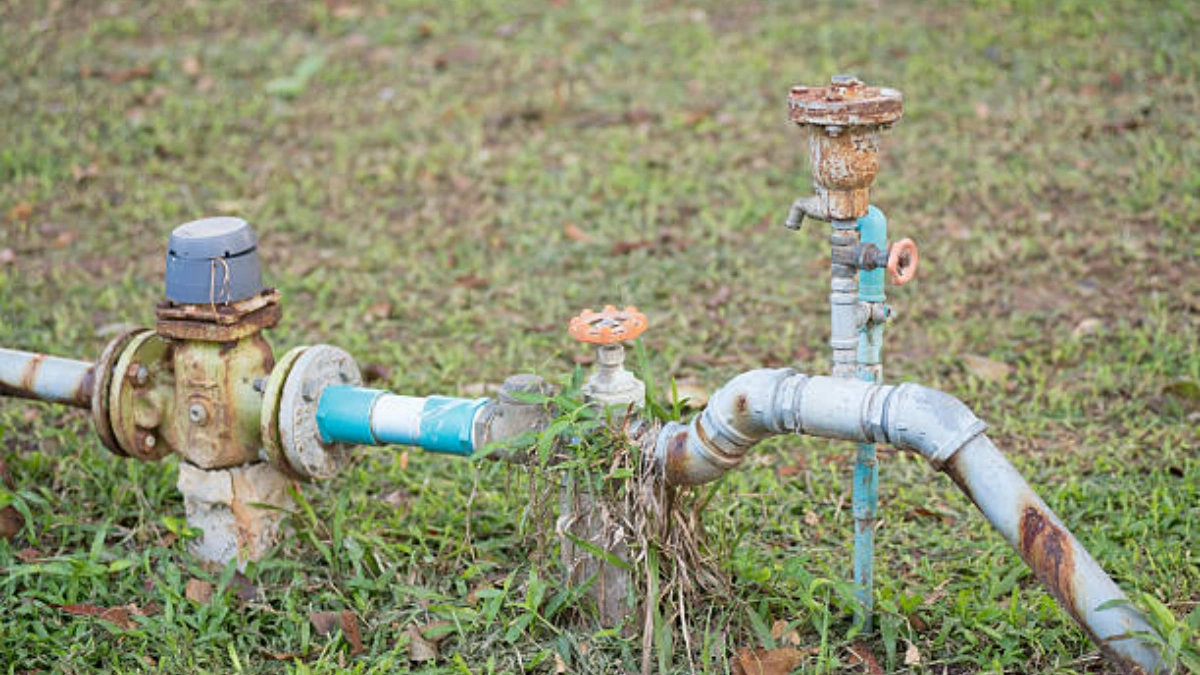
Introduction: What Makes Valved Brass Connectors Important?
In fluid control systems, every fitting counts—especially when it involves pressure, temperature, or sensitive materials. Among the many options available, a valved brass connector stands out for its unique combination of durability, built-in control, and versatility. This small yet powerful component is widely used across plumbing, HVAC, gas delivery, and industrial machinery systems.
This article explores what a valved brass connector is, its structure, how it works, and—most importantly—where and why you would use it.
FAQ – Frequently Asked Questions
1. What is a valved brass connector?
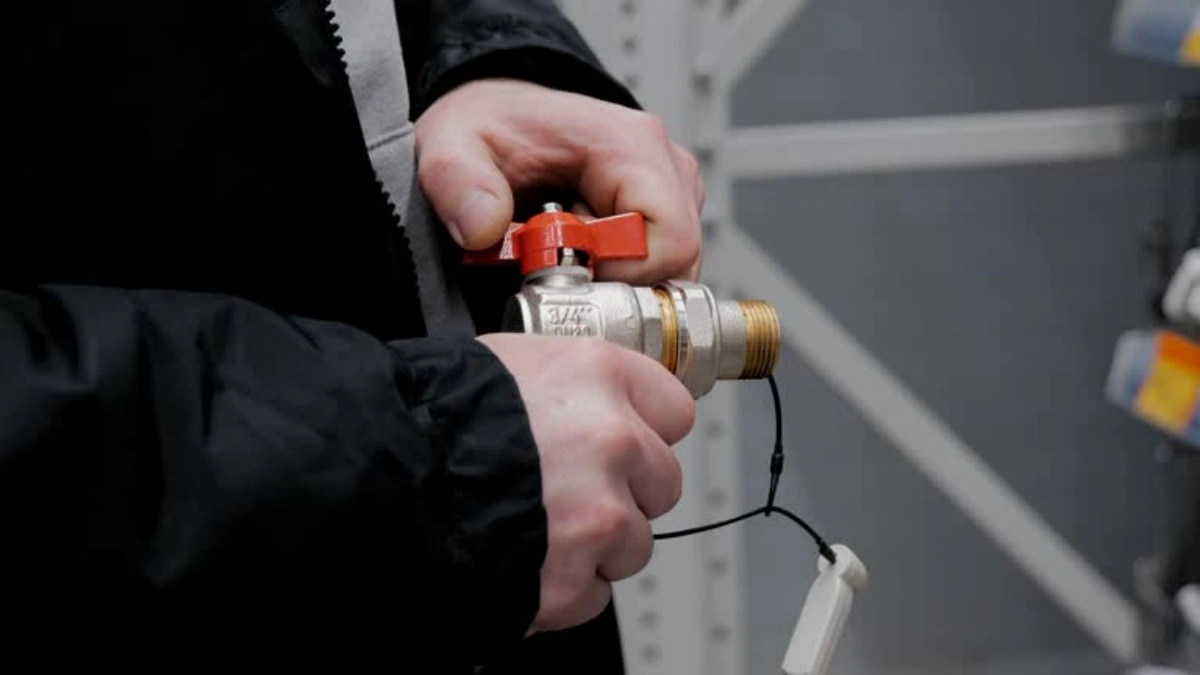
It’s a brass fitting that includes an integrated shut-off valve, allowing users to stop fluid or gas flow directly at the connection point.
2. Where are valved brass connectors used?
They are used in plumbing, gas systems, refrigeration, compressors, and irrigation systems for controlled fluid connection and disconnection.
3. Why choose brass?
Brass resists corrosion, handles both hot and cold media, and lasts longer than plastic or aluminum in most environments.
4. Are valved connectors reusable?
Yes, most brass connectors can be reused, making them ideal for maintenance and system reconfiguration.
5. Are there different sizes available?
Yes—sizes range from small 1/4" connectors for pneumatic systems to larger fittings for industrial pipelines.
What Is a Valved Brass Connector?
A valved brass connector is a dual-purpose component combining a connection fitting (such as male/female thread, compression, or push-fit) with an integrated control valve. The valve allows users to start or stop flow without needing an external shut-off device.
This design simplifies systems by reducing the number of parts and enhances safety by allowing immediate flow control at the point of use.
Key Components:
- Brass body – Corrosion-resistant and pressure-rated
- Internal valve – Usually a ball or diaphragm type
- Control mechanism – Lever, knob, or automatic shut-off
- Connector ends – Threaded, barbed, push-fit, or compression
Why Use a Valved Brass Connector?
1. On-Site Flow Control
You can stop or adjust flow directly at the connector—no need to access a distant main valve.
2. Quick Maintenance or Replacement
Shut off the connector, remove a hose or line, and perform service without draining the whole system.
3. Enhanced Safety
In gas or pressurized liquid applications, immediate shut-off reduces risk during emergencies or disconnection.
4. Space-Saving Design
Combining a valve and fitting in one unit saves room and simplifies system layouts.
5. Corrosion and Wear Resistance
Brass provides excellent longevity even in harsh environments with water, oil, air, or mild chemicals.
Common Applications
Valved brass connectors are used across a variety of fields:
| Application Area | Typical Use Case |
|---|---|
| Plumbing | Shut-off for sink, toilet, or appliance lines |
| HVAC Systems | Connect/disconnect refrigerant or chilled water lines |
| Pneumatic Tools | Air hose quick-release with pressure control |
| Gas Systems | Control propane/natural gas to appliances or heaters |
| Irrigation | Inline valve for garden hose, drippers, or emitters |
| Laboratory Setups | On/off control of test fluid or gas delivery |
How to Choose the Right Valved Brass Connector
1. Size and Connection Type
Make sure the connector matches your pipe or hose system—threaded (NPT/BSP), push-fit, or compression. Common sizes range from 1/4" to 1 inch.
2. Flow Direction and Valve Type
Some connectors are one-way (check valve style), others allow two-way control. Choose based on your system's needs.
3. Pressure and Temperature Ratings
Check specs carefully:
- Pressure: Up to 300 PSI or more
- Temperature: Usually from -20°C to 120°C (depending on seal type)
4. Certifications
If used in drinking water or gas systems, verify certifications like NSF, WRAS, or CE compliance.
5. Handle Type and Accessibility
Manual levers are great for quick access; knobs offer fine control. For concealed spaces, low-profile handles may be preferred.
Installation Tips
A few best practices ensure smooth and safe use of valved brass connectors:
- Use thread tape or sealant for leak-free threaded installations
- Avoid over-tightening to prevent damage to brass threads
- Test the valve before final use to ensure proper shut-off
- Install in accessible locations for easy operation
- Inspect regularly in high-use or outdoor systems for wear or leaks
Proper installation ensures both longevity and safety.
Valved Brass Connector vs. Standard Fittings
| Feature | Valved Brass Connector | Standard Brass Fitting |
|---|---|---|
| Integrated shut-off valve | ✅ Yes | ❌ No |
| Space-saving | ✅ Combines two functions | ❌ Requires separate valve |
| Flow control | ✅ Manual or auto shut-off | ❌ Always open |
| Installation complexity | ✅ Easier | ❌ Requires more fittings |
| Cost | Slightly higher | Lower (but needs valve) |
Choosing a valved connector reduces parts, time, and risk—all valuable in plumbing and industrial work.
Conclusion: Small Part, Big Impact
A valved brass connector might be small, but its impact is large. It offers control, durability, and efficiency in fluid and gas systems across homes, businesses, and factories. Whether you're building a new system or upgrading an old one, adding this simple component can improve performance, reduce leaks, and simplify maintenance.
When reliability matters, don’t overlook this smart solution. Choose a corrosion-resistant, well-rated valved brass connector—and get the job done right.