
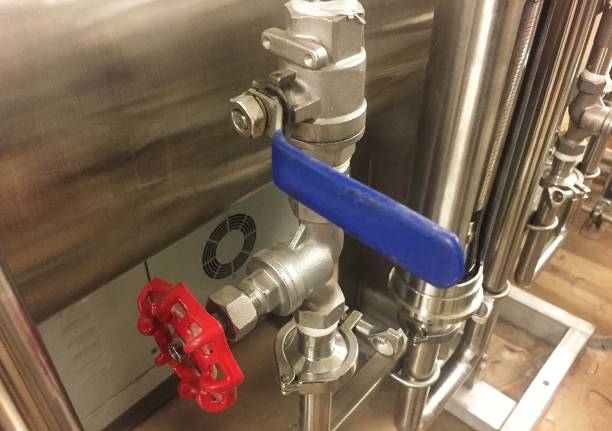
Introduction: Why Safe Water Starts with the Right Valve
Clean, drinkable water is essential to public health, and every component in a potable water system must support that safety—especially valves. Among the many options, brass valves for potable water have long been trusted for their durability, reliability, and water-safe performance.
But as global awareness around lead content and health standards increases, not all brass valves qualify for potable water systems anymore. Choosing the right valve involves understanding materials, certifications, and functionality—all while ensuring compliance with health regulations.
This guide explains everything you need to know about brass valves for potable water, from definitions and applications to buying tips and comparison with other valve materials.
FAQs: Common Questions About Brass Valves for Potable Water
1. Are all brass valves safe for drinking water?
No. Only certified lead-free or low-lead brass valves are approved for potable water systems.
2. What makes a brass valve “lead-free”?
Lead-free brass typically contains less than 0.25% lead by weight in wetted surfaces, meeting NSF/ANSI 61 or other national standards.
3. Where are brass valves used in potable water systems?
They’re commonly found in faucets, meters, shut-off valves, water heaters, and filtration systems.
4. Can I use a standard brass valve for drinking water?
Not unless it is labeled and certified for potable use. Using uncertified brass may result in lead leaching and health risks.
5. What certifications should I look for?
Look for NSF 61, NSF 372, WRAS (UK), or ACS (France) certifications, depending on your region.

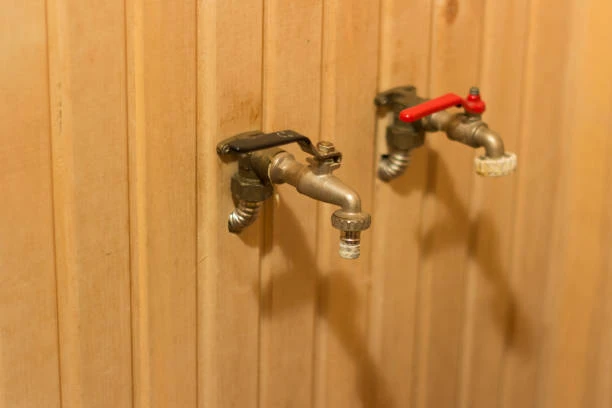
What Are Brass Valves for Potable Water?
Brass valves for potable water are valves made from specially formulated brass alloys that are safe for use in drinking water systems. These valves are designed to control water flow while meeting strict regulations on lead content and chemical leaching.
Key Features:
- Made from low-lead or lead-free brass alloys
- Compliant with NSF/ANSI 61, NSF 372, or equivalent standards
- Designed for use in residential, commercial, and municipal water systems
- Available in many types: ball valves, angle valves, check valves, and more
Unlike industrial valves, these products are manufactured with health safety in mind, not just performance.
Common Applications in Potable Water Systems
Brass valves for potable water are versatile and widely used in:
1. Residential Plumbing
Used in household water lines, including faucets, showers, and toilets, where water must remain uncontaminated.
2. Municipal Water Meters
Installed at service entry points to control and monitor clean water supply from city mains.
3. Water Heaters and Boilers
Employed in inlet and outlet pipes to manage safe hot water flow within potable standards.
4. Filtration and Reverse Osmosis Systems
Used to direct, shut off, or isolate flow through filtration units designed for drinking water.
5. Food and Beverage Industry
Integrated into machines and water dispensers where water comes into direct contact with consumables.
In each use case, material safety, flow reliability, and pressure resistance are crucial.
Choosing the Right Brass Valve for Potable Water
To select the right valve, focus on three key aspects: material, certification, and application suitability.
1. Check for Lead-Free or Low-Lead Material
- Lead-free brass usually contains less than 0.25% lead (e.g., CW511L, ECO BRASS).
- Low-lead brass might comply depending on local regulations.
- Avoid recycled brass products with unknown compositions.
2. Look for Certifications
Ensure the product carries labels such as:
- NSF/ANSI 61 or NSF 372 (North America)
- WRAS (UK)
- ACS (France)
- KTW/W270 (Germany)
These confirm the product is approved for drinking water use.
3. Select the Right Valve Type
- Ball valve: Quick shut-off, common in main lines and RO systems
- Angle valve: Ideal for toilets and under-sink applications
- Check valve: Prevents backflow in distribution networks
Choose valve types based on pressure, flow direction, and space constraints.
Installation Considerations
Proper installation ensures water remains safe and valves last longer. Here’s what to watch for:
1. Clean Connections
Flush the pipe before installation to remove debris or contaminants that may enter the valve.
2. Correct Orientation
Some valves (especially check valves) have flow direction. Always follow the arrow marked on the body.
3. Avoid Over-Tightening
Excess torque may damage threads or seals, leading to leaks or reduced flow.
4. Use Compatible Fittings
Make sure brass valves connect to certified pipe materials such as copper, PEX, or CPVC intended for potable use.
5. Leak Testing
After installation, always pressure-test the system to confirm the valve functions properly and doesn’t leak.
Well-installed brass valves help maintain water purity and system efficiency.
Brass vs. Other Valve Materials: A Safety Comparison
| Feature | Brass (Lead-Free) | Plastic (PVC, CPVC) | Stainless Steel |
|---|---|---|---|
| Drinking Water Safe | Yes (if certified) | Yes (if certified) | Yes (more expensive) |
| Durability | High | Moderate | Very high |
| Temperature Range | Moderate-High | Moderate | High |
| Cost | Moderate | Low | High |
| Certification Options | Broad (NSF, WRAS, etc.) | Limited | Broad |
| Thread Compatibility | Excellent | Limited | Excellent |
Lead-free brass offers a balance of safety, cost, and performance—making it ideal for most potable systems.
Summary: Choose Brass Valves That Prioritize Health
When it comes to potable water safety, the importance of using the right valve cannot be overstated. Brass valves for potable water offer strength, reliability, and flow control—while supporting health and regulatory standards.
By choosing lead-free, certified brass valves, you're not just improving system performance—you're also protecting families, communities, and your business reputation.
So the next time you source valves for a drinking water system, remember: safety starts at the valve.