

Introduction: A Quick Summary
PEX pipe is quickly becoming a popular solution for modern plumbing needs, offering flexibility, affordability, and durability. One of the most common questions homeowners, builders, and plumbers ask is: Can PEX pipe be used underground safely? The answer is yes—but only with proper planning, material selection, and correct installation techniques. This article explores everything you need to know about PEX pipe underground, from its basic features to how it compares with other pipe materials in buried applications.
Frequently Asked Questions (FAQ)
1. Can PEX pipe be buried directly underground?
Yes, PEX pipe can be buried underground if it is installed properly, protected from sharp objects, and approved by local codes.
2. Do I need a protective sleeve for underground PEX?
While not always required, using a conduit or sleeve is highly recommended to prevent punctures, especially in rocky or unstable soil.
3. What type of PEX is best for underground use?
PEX-A is considered the best option due to its flexibility and high resistance to freezing and cracking.
4. Is PEX better than copper or PVC for buried lines?
In many situations, PEX offers better flexibility and corrosion resistance than copper, and easier installation than PVC.
5. Will PEX degrade underground over time?
If properly installed and shielded from UV exposure, PEX can last 40–50 years underground.

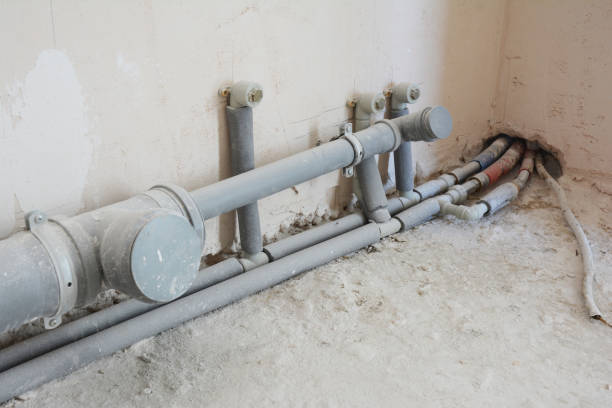
What Is PEX Pipe Underground?
PEX, or cross-linked polyethylene, is a flexible plastic pipe used widely in plumbing systems. When referring to PEX pipe underground, we mean using PEX for subsurface water supply lines, irrigation systems, and other buried fluid transport applications.
Its cross-linked structure makes it resistant to high pressure, chemical attack, and freeze-thaw cycles. This means that PEX can expand slightly without bursting, making it a reliable option for underground installation where temperature shifts and pressure variations are common.
Key Features:
- Made from polyethylene with cross-linked molecular structure.
- Comes in different types: PEX-A, PEX-B, and PEX-C.
- Resists corrosion, scale, and chemical damage.
- Available in multiple diameters and colors for easy system organization.
Common Applications and Industries
PEX pipe underground is used in various residential, commercial, and agricultural settings. Its ability to handle pressure and temperature variations makes it suitable for many buried systems.
Most Common Uses:
- Residential water service lines
- Irrigation systems for landscaping and agriculture
- Underground heating systems
- Geothermal heat loops
- Commercial outdoor water lines
- Rural water supply systems
The pipe's flexibility allows long continuous runs with minimal fittings, reducing potential leak points. This is especially helpful in underground applications where maintenance can be costly.
How to Choose the Right PEX Pipe for Underground Use
Not all PEX pipes are created equal. When selecting PEX for underground use, it’s essential to evaluate certain key factors:
1. Type of PEX:
- PEX-A: Most flexible and freeze-resistant, ideal for underground use.
- PEX-B: Slightly stiffer but more cost-effective. Can be used if placed inside a conduit.
- PEX-C: Least flexible. Not commonly recommended for underground work.
2. Pipe Color:
- Red: Typically used for hot water lines.
- Blue: Used for cold water.
- White: Neutral and suitable for both.
Although color does not affect performance, using color-coded lines helps identify water flow direction during maintenance.
3. Certifications:
Look for pipes that meet international plumbing standards, such as:
- NSF/ANSI 61 (for drinking water safety)
- ASTM F876/F877 (dimensional and performance standards)
- CSA B137.5 (Canadian standard for pressure piping)
4. Coil Size and Length:
PEX is sold in coils, usually from 100 feet to 1000 feet. For underground use, choosing long coils minimizes the need for joints or fittings, reducing leak risk.
Installation Guidelines for PEX Pipe Underground
Proper installation is crucial for the safe and long-lasting use of PEX underground. Follow these steps for a reliable setup:
Prepare the Trench
- Dig a trench at least 18–24 inches deep or as required by local codes.
- Remove rocks and debris that may puncture the pipe.
- Ensure the trench slopes slightly for drainage if needed.
Use Bedding Material
- Lay the pipe on a bed of soft sand or fine soil (minimum 6 inches).
- Avoid direct contact with sharp stones or building rubble.
Choose Sleeving if Necessary
- In areas with shifting soil or rocky terrain, place PEX in a conduit or flexible sleeve.
- Conduit should be waterproof and smooth inside to avoid abrasion.
Make Connections Carefully
- Use approved fittings like crimp, clamp, or push-to-connect.
- Avoid burying fittings unless absolutely necessary; if used, ensure they are rated for underground use.
Backfill Properly
- Add another layer of soft soil (6 inches minimum) before backfilling with native soil.
- Compact gently to avoid damaging the pipe.
PEX Pipe Underground vs. Other Pipe Materials
Here’s a quick comparison of PEX with other commonly used underground pipes:
| Feature | PEX Pipe | Copper Pipe | PVC Pipe |
|---|---|---|---|
| Flexibility | High | None | Low |
| Corrosion Resistance | Excellent | Low (can corrode) | Good |
| Ease of Installation | Very easy | Moderate | Moderate |
| Joint Requirements | Few (long coils) | Many | Many |
| Freezing Resistance | Expands under freeze | May burst | May crack |
| Lifespan | 40–50 years | 50+ years | 25–40 years |
| Price | Lower | High | Medium |
In most residential cases, PEX offers the best balance of cost, performance, and installation ease.
Conclusion
So, can you use PEX pipe underground safely? The answer is a confident yes—if you choose the right type of PEX, follow installation best practices, and comply with local building codes. Its flexibility, durability, and ease of use make PEX a smart solution for a wide range of underground plumbing and irrigation needs.
Whether you're replacing a water main to your home or installing a new irrigation system, PEX underground piping offers long-term reliability without the complexity of copper or the fragility of PVC. With the right approach, your buried piping system can remain trouble-free for decades.