
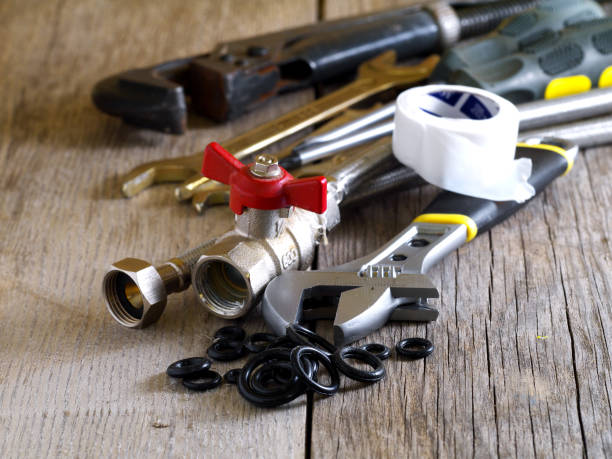
Introduction: Why Lead-Free Brass Valves Matter in Drinking Water Systems
Clean, safe drinking water is essential for every home, business, and public facility. One of the most critical—and often overlooked—components of a drinking water system is the valve that controls the flow. Choosing the right lead-free brass valves ensures that your water stays pure from source to tap.
In this guide, you’ll discover the key benefits of using lead-free brass valves in drinking water lines, how to choose the best ones, their features, where they are used, and how they compare to other options on the market.
Frequently Asked Questions (FAQ)
1. Why is lead-free brass important in drinking water systems?
Lead-free brass prevents toxic lead from leaching into potable water, ensuring health and regulatory compliance.
2. Are all brass valves lead-free?
No. Only brass valves specifically marked and certified as “lead-free” are suitable for drinking water applications.
3. What standards define lead-free valves?
In the U.S., the NSF/ANSI 61 and NSF/ANSI 372 standards are widely used. The valve must contain less than 0.25% lead content by weight.
4. Can I use lead-free brass valves for hot water lines?
Yes. Lead-free brass performs well under both cold and hot water conditions and resists corrosion.
5. How long do lead-free brass valves last?
They can last 10 to 20 years or more, depending on water quality and installation practices.


What Are Lead-Free Brass Valve?
Lead-free brass valves are plumbing components made of a special alloy containing less than 0.25% lead. They are specifically designed for potable water systems to reduce the risk of lead contamination.
Key Features:
- Safe for drinking water (meets global health standards)
- Corrosion-resistant material
- Strong and durable under pressure and temperature changes
- Low maintenance
- Available in various types: ball valves, check valves, angle valves, etc.
Where Are They Used?
Lead-free brass valves are essential anywhere drinking water flows. Common applications include:
1. Residential Plumbing
- Under-sink shut-off valves
- Water heater supply lines
- Refrigerator or ice maker connections
2. Commercial Buildings
- Office kitchen plumbing
- Public restroom supply systems
- Drinking fountains and filtered water lines
3. Municipal Systems
- City water service connections
- Meter installations
- Water treatment facilities
4. Water Filtration Systems
- Reverse osmosis (RO) setups
- UV sterilization systems
- Activated carbon filters
5. Healthcare and Education Facilities
- Hospitals, schools, and daycare centers require lead-free plumbing to protect vulnerable populations.
Why Choose Lead-Free Brass Valves?
Using lead-free brass valve isn't just a good idea—it's often the law. Here’s why they are the smart choice:
✅ Health and Safety
Lead-free brass valves help ensure that drinking water remains uncontaminated and safe for consumption.
✅ Legal Compliance
Most developed countries now mandate the use of lead-free materials in potable water systems. For example:
- U.S. Safe Drinking Water Act
- EU Drinking Water Directive
- NSF/ANSI 61 & 372 certifications
✅ Durability
Lead-free brass offers excellent resistance to corrosion and temperature changes, making it ideal for both hot and cold water lines.
✅ Easy Installation
These valves are available in standard sizes and thread types, making them compatible with copper, PEX, CPVC, and PVC systems.
✅ Long-Term Cost Savings
Though slightly more expensive than standard brass, lead-free valves reduce health risks and the potential for legal penalties or plumbing replacements.
How to Select the Right Lead-Free Brass Valve
Here are the most important criteria when choosing a valve for your drinking water system:
1. Material Certification
- Look for “Lead-Free” markings
- Certifications to check:
- NSF/ANSI 61 (Health effects)
- NSF/ANSI 372 (Lead content)
2. Valve Type
- Ball Valve: Most common, easy on/off control
- Angle Valve: Ideal for sink and appliance connections
- Check Valve: Prevents backflow into drinking water supply
- Stop Valve: Manual shut-off, used in emergencies
3. Size and Thread
- Common sizes: 1/2", 3/4", 1"
- Thread types: NPT, BSP, compression fittings
- Push-fit models are great for DIY installs
4. Temperature and Pressure Ratings
- Ensure compatibility with your system’s specs
- Most brass valves handle:
- Pressure: 150–600 psi
- Temperature: Up to 180°F (82°C)
5. Installation Environment
- Choose valves with protective coatings or rubber seals for outdoor or high-humidity locations.
Installation Tips for Lead-Free Brass Valve
Correct installation ensures long-term performance and water safety. Here’s how to do it right:
Tools Needed:
- Adjustable wrench
- PTFE (Teflon) tape or pipe sealant
- Pipe cutter (if replacing old valves)
Step-by-Step:
- Shut off main water supply
- Clean pipe ends and ensure threads are free from debris
- Apply PTFE tape to male threads for a tight seal
- Thread valve carefully—avoid cross-threading
- Tighten securely but do not over-tighten to prevent cracking
- Turn water on slowly and check for leaks
Pro Tip: Always install valves with the flow direction arrow pointing toward the water outlet.
Lead-Free Brass Valve vs. Other Materials
| Feature | Lead-Free Brass | Plastic (PVC/CPVC) | Stainless Steel |
|---|---|---|---|
| Drinking Water Safe | ✅ Yes (if certified) | ✅ Yes | ✅ Yes |
| Durability | ✅ High | ⚠️ Moderate | ✅ Very High |
| Corrosion Resistance | ✅ Excellent | ✅ Good | ✅ Excellent |
| Price | 💲💲 | 💲 | 💲💲💲 |
| Ease of Installation | ✅ Easy | ✅ Very Easy | ⚠️ Moderate |
| Certification Options | ✅ NSF/ANSI available | ✅ NSF/ANSI available | ✅ NSF/ANSI available |
Conclusion: A Safe Investment for Clean Water
Choosing the right valve is a critical decision when designing or upgrading a drinking water system. Lead-free brass valves provide the perfect balance of safety, strength, and longevity. By using certified, high-quality materials, you protect not only your pipes—but also your family, customers, and community.
Whether you're a homeowner, plumber, or facility manager, make the responsible choice. Invest in lead-free brass valves for your drinking water line—and ensure safe, clean water flows every time you open the tap.