

Introduction: A Reliable Choice in Every Plumbing Project
In plumbing and fluid control systems, having a dependable shut-off valve is essential. One of the most trusted options is the female thread brass ball valves. Compact yet powerful, it offers a simple way to control water or gas flow with just a quarter turn. Because of its ease of installation and durability, this type of valve has become a popular solution across residential, commercial, and industrial sectors.
This article will help you understand what a female thread brass ball valve is, where it’s used, how to choose the right one, and what makes it stand out from other valve types. Whether you're a homeowner or a professional plumber, this guide offers practical insight.
FAQs: Common Questions About Female Thread Brass Ball Valves
1. What does “female thread” mean on a ball valve?
It refers to internal threading inside the valve ports, designed to screw onto male-threaded pipes.
2. Can these valves be used for both hot and cold water?
Yes. Brass handles both hot and cold water, provided the valve is rated for the temperature range.
3. Are female thread brass ball valves suitable for drinking water?
Yes, as long as they’re made from lead-free brass and certified for potable water systems.
4. How long do brass ball valves last?
Typically, they last 10 to 20 years, depending on water quality and usage conditions.
5. Do I need special tools to install one?
No, only basic tools such as a wrench and PTFE tape are required.

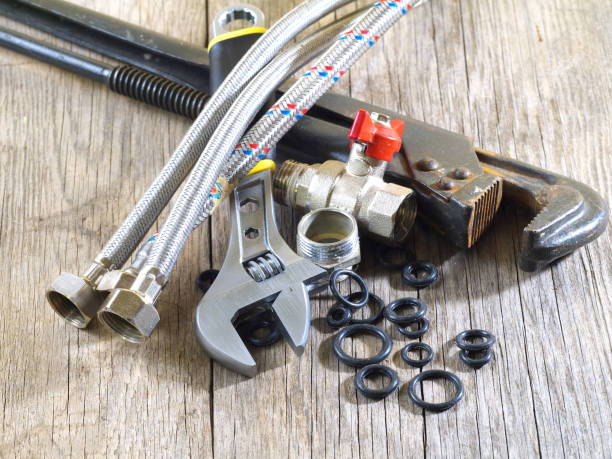
Definition and Key Features of Female Thread Brass Ball Valves
A female thread brass ball valve is a shut-off valve designed with internal (female) threads on both ends, allowing direct connection to male-threaded pipes or fittings. Inside the valve, a solid brass ball with a central hole rotates to either allow or stop the flow of liquid or gas. A 90-degree turn of the handle opens or closes the valve instantly.
Key Characteristics:
- Material: Made from brass, known for corrosion resistance
- Threaded Ends: Internal threads (NPT or BSP), easy to install
- Quarter-Turn Operation: Simple on/off control
- Compact Design: Ideal for tight installations
- Reliable Sealing: Often includes PTFE seats for leak prevention
Because of these features, female thread brass ball valves offer excellent long-term value and convenience.
Typical Applications and Industry Use
Thanks to their versatility and strength, these valves are widely used in many settings. Below are the most common applications:
1. Residential Plumbing
Homeowners use these valves under sinks, in toilets, or for appliances like washing machines. They offer quick shut-off in case of repairs or emergencies.
2. Water Filtration and RO Systems
In filtration systems, especially reverse osmosis units, these valves provide fast isolation. Users can shut off the supply line without affecting other components.
3. Heating and Cooling Systems
In HVAC systems, female thread brass ball valves help control hot or chilled water loops. Their temperature resistance and ease of operation make them reliable.
4. Industrial and Manufacturing Facilities
Factories use these valves in compressed air systems, chemical delivery setups, and machinery cooling loops. Their durability under pressure is a major benefit.
5. Agricultural and Irrigation Systems
For farms and greenhouses, these valves allow users to direct water precisely. They’re also easy to repair or replace without needing adhesives.
In all of these cases, their threaded connection allows for hassle-free installation and removal.
How to Select the Right Female Thread Brass Ball Valve
Choosing the right valve is not difficult if you know what to look for. Here are a few practical factors to consider:
1. Valve Size
Make sure the valve size matches your pipe dimensions. Common sizes include 1/2", 3/4", and 1".
2. Thread Type
Check if your system uses BSP or NPT threads. Choosing the wrong thread standard may lead to leaks or installation failure.
3. Material and Certification
Always look for lead-free brass if the valve is used in drinking water lines. Certification from NSF or equivalent ensures safety and compliance.
4. Pressure and Temperature Ratings
Confirm the valve’s maximum operating pressure and temperature. Most brass valves handle up to 600 PSI and temperatures between -20°C to 120°C.
5. Handle Type and Design
Some valves come with butterfly or lever handles. If space is tight, opt for shorter handles or those with locking mechanisms.
By evaluating these details, you’ll ensure performance, safety, and ease of use.
Installation Tips: Do It Right the First Time
Installing a female thread brass ball valve is simple, but proper technique ensures a tight, long-lasting seal. Follow these steps:
Required Tools:
- Adjustable wrench
- PTFE tape (Teflon tape) or pipe thread sealant
- Clean rag
Steps:
- Shut off the water or gas supply.
- Clean the male threads on the pipe to remove any dirt or corrosion.
- Apply PTFE tape clockwise 3–4 turns around the male threads.
- Hand-screw the valve onto the fitting, ensuring correct alignment.
- Tighten with a wrench until snug, but avoid overtightening.
- Turn the system on slowly and check for any leaks.
Extra Tips:
- Don’t use thread tape on female threads—only on male threads.
- Test the valve by opening and closing it several times.
- Use thread sealant for gas lines instead of Teflon tape if required.
A proper installation ensures reliability and prevents future problems.
Comparison: Female Thread Brass Ball Valves vs. Other Valves
How does this type of valve stack up against others? Let’s compare:
| Feature | Female Thread Brass Ball Valve | Gate Valve | PVC Ball Valve |
|---|---|---|---|
| Operation | Quarter-turn | Multi-turn | Quarter-turn |
| Material | Brass | Brass or Iron | Plastic (PVC) |
| Thread Type | Female internal | Often flanged | Slip-fit or threaded |
| Installation | Quick and tool-friendly | Slower | Requires solvent/glue |
| Pressure Resistance | High | Medium | Low to medium |
| Temperature Resistance | High | Moderate | Limited |
| Common Uses | Plumbing, HVAC, RO | Large pipelines | DIY, irrigation |
| Lifespan | 10–20 years | 5–15 years | 3–10 years |
As seen above, female thread brass ball valves offer a great balance of durability, performance, and ease of use—especially for plumbing and RO systems.
Conclusion: Smart, Durable, and Easy to Use
Female thread brass ball valves may be small in size, but they have a big impact. From controlling water flow in homes to managing fluids in industrial systems, these valves deliver simple operation, strong sealing, and long-lasting reliability.
By understanding their features, choosing the right specifications, and installing them correctly, you gain control, reduce leaks, and extend the life of your plumbing setup.
Whether you're upgrading a filtration unit, building a heating loop, or repairing an irrigation line, this valve is one of the smartest components you can rely on.