
1. Introduction
Efficient water management is critical for modern agriculture, landscaping, and garden systems. Whether you're running a large farm or a residential lawn, you need valves that are tough, corrosion-resistant, and easy to install. That’s where irrigation-ready brass valves come in.
These valves offer unmatched durability and dependable flow control. Designed to withstand outdoor conditions and frequent use, they help reduce water waste, improve system performance, and last for years. This guide will walk you through everything you need to know about choosing and using brass valves for irrigation.
2. FAQ – Irrigation Brass Valves
1. What is an irrigation-ready brass valve?
It’s a brass valve designed specifically for outdoor or agricultural water distribution systems, such as sprinkler lines or drip irrigation.
2. Are brass valves better than plastic ones for irrigation?
Yes. Brass valves are more durable, temperature-tolerant, and resistant to UV and mechanical damage.
3. Can I use a brass valve for drip irrigation?
Absolutely. Ball or gate-type brass valves can be used to control flow in low-pressure systems like drip irrigation.
4. Do brass valves rust or corrode?
No. Brass naturally resists corrosion, even in humid and chemical-rich environments like farms or gardens.
5. Are brass valves compatible with hose or PVC systems?
Yes. They come with various thread types (BSP/NPT) and can be adapted to connect with hose fittings, PVC, or PE pipes.
3. What Are Irrigation-Ready Brass Valves?
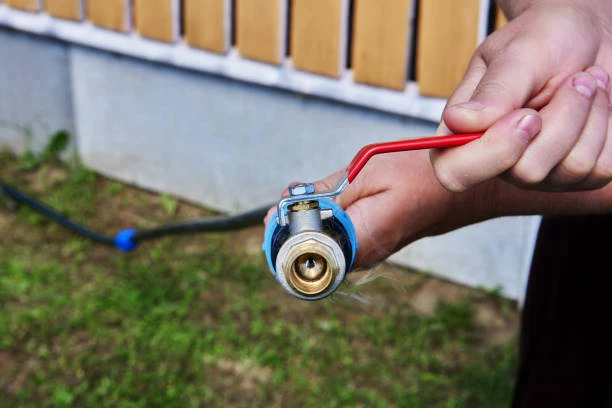
Irrigation-ready brass valves are control components used to regulate water flow in irrigation systems. They are designed to endure outdoor exposure, handle varying water pressures, and operate smoothly even after years of use.
Key Features:
- Material: High-quality forged brass or lead-free brass
- Thread Type: BSP or NPT (for compatibility with global systems)
- Valve Types: Ball valves, gate valves, angle valves, stop valves
- Seals: Teflon (PTFE) seals for leak-free performance
- Handles: Aluminum or steel levers, sometimes lockable
- Pressure Range: Typically PN16–PN25
- Sizes Available: ½", ¾", 1", up to 2" or more
- Finish: Chrome-plated or natural brass
Brass valves outperform many other materials in challenging outdoor settings due to their mechanical strength and chemical resistance.

4. Where Are Brass Valves Used in Irrigation Systems?
Brass valves are essential in multiple parts of an irrigation system:
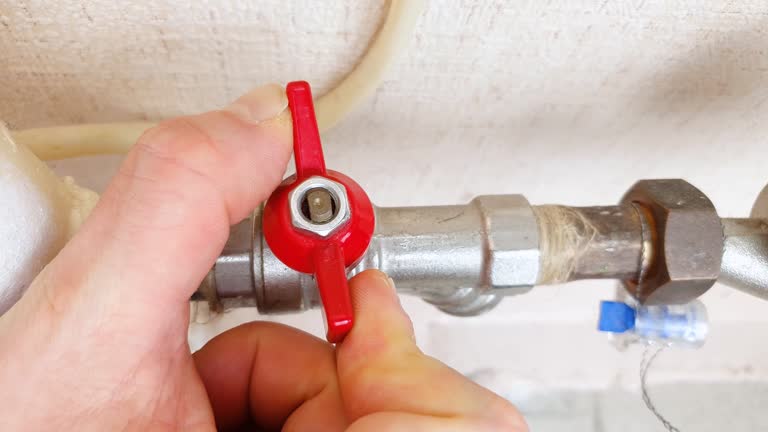
✅ Mainline Shut-Off
Quickly stop water flow to an entire zone or section.
✅ Zone Control Valves
Divide irrigation systems into manageable parts and control them independently.
✅ Filter and Fertigation Lines
Regulate flow near filters, backflush systems, or fertilizer injectors.
✅ Sprinkler and Drip Lines
Used near manifolds or hose connections to manage flow rate or stop water altogether.
✅ Tank and Pump Outlets
Provide manual control of water released from tanks or pumps.
Their versatility makes brass valves a favorite among farmers, landscapers, and irrigation technicians.
5. Choosing the Right Brass Valve for Your Irrigation System
To select the right valve, consider the following:
| Selection Factor | What to Look For |
|---|---|
| Material | CW617N brass or lead-free brass for durability |
| Size | Match to pipe diameter – usually ½", ¾", or 1" in irrigation |
| Thread Type | BSP (UK, Asia) or NPT (US, North America) |
| Valve Type | Ball valve for fast shut-off; gate valve for precise flow control |
| Handle Type | Lockable handle for security; large lever for easy operation |
| Water Pressure | Match pressure rating to your pump/system (e.g. PN16 or PN25) |
| Weather Resistance | Choose corrosion-resistant finishes for long-term outdoor use |
6. Installation Tips for Brass Irrigation Valves
Proper installation ensures long life and leak-free performance.
- ✅ Use thread seal tape or approved sealant for tight joints
- ✅ Avoid over-tightening to prevent thread damage
- ✅ Make sure the valve is installed with correct flow direction
- ✅ Secure the valve to prevent vibration or pipe movement
- ✅ Test the system after installation for leaks or flow issues
- ✅ Keep valves accessible for regular maintenance
For systems with fertilizers or chemicals, consider DZR (dezincification-resistant) brass valves.
7. Brass Valves vs Other Irrigation Valve Materials
| Feature | Brass Valves | PVC/Plastic Valves | Stainless Steel Valves |
|---|---|---|---|
| Durability | High | Medium | Very High |
| UV Resistance | Excellent | Poor to Moderate | Excellent |
| Pressure Tolerance | High (PN16–PN25) | Low (PN6–PN10) | Very High |
| Cost | Medium | Low | High |
| Temperature Tolerance | Up to 120°C | Up to 60°C | 200°C+ |
| Corrosion Resistance | Excellent | Moderate | Excellent |
| Ease of Repair | Easy | Easy | Moderate |
Brass valves provide an ideal balance of performance and price, especially for outdoor irrigation.
8. Sourcing Irrigation Brass Valves in Bulk
For farms, irrigation contractors, or importers, buying brass valves in bulk can lower costs and ensure supply stability. When sourcing:
- ✅ Look for ISO-certified manufacturers
- ✅ Request WRAS, CE, or NSF certifications if required
- ✅ Choose custom options (color handles, logo engraving, private label)
- ✅ Ask for reinforced packaging for export
- ✅ Compare lead time, MOQ, and freight options
Many Chinese factories now offer OEM/ODM brass valves designed for irrigation systems in various climates and regions.
9. Why Brass Valves Are a Long-Term Investment
Investing in quality brass valves can reduce replacement costs, prevent leaks, and minimize downtime. Unlike plastic valves that may degrade under sun or pressure, brass valves stay strong in tough field conditions.
They’re reusable, recyclable, and environmentally stable—making them a sustainable choice for modern irrigation.
10. Conclusion
When it comes to irrigation-ready brass valves, you can rely on their strength, reliability, and versatility. Whether you’re managing a farm, maintaining a garden, or installing a commercial irrigation system, brass valves help you control water flow with confidence.
Choose the right valve based on pressure, thread type, and system needs. With proper installation and maintenance, a good brass valve can serve your irrigation system for 10–15 years or more.
For bulk orders or custom branding, partnering with a trusted brass valve manufacturer ensures quality, certification, and delivery you can count on.