
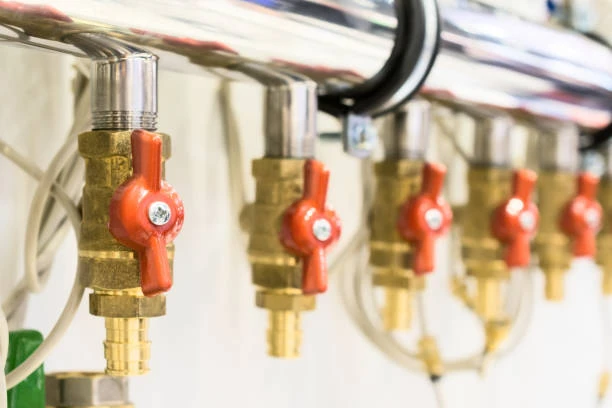
Reverse osmosis (RO) systems are widely used in homes, businesses, and industries for purifying water. One of the essential components that ensure these systems function efficiently is the ball valve. A ball valve for a reverse osmosis system offers simple and reliable control over water flow. Whether you're a homeowner installing a filtration unit or an engineer maintaining a commercial purification setup, understanding ball valves is key to ensuring smooth operation and long-term performance.
This guide covers everything you need to know about ball valves for RO systems—including their definition, features, applications, selection tips, installation precautions, and comparisons with other valve types. Let’s get started.
Frequently Asked Questions (FAQs)
1. What is a ball valve used for in a reverse osmosis system?
A ball valve is used to control the water flow in an RO system. It allows users to start or stop the water supply quickly and easily.
2. Are ball valves safe to use with drinking water systems?
Yes. Most ball valves for RO systems are made from food-grade, BPA-free materials and are certified for potable water use.
3. What materials are commonly used for RO ball valves?
Ball valves for RO systems are typically made from polypropylene (PP), polyvinyl chloride (PVC), or brass. Polypropylene is especially common for residential RO systems.
4. How long does a ball valve in an RO system last?
With proper installation and use, a high-quality ball valve can last several years. Material quality and water pressure levels can affect longevity.
5. Can I replace a ball valve myself?
Yes. Ball valve replacement is usually straightforward, especially in residential RO systems. However, always follow manufacturer instructions to avoid leaks or system damage.
What Is a Ball Valve for Reverse Osmosis Systems?
A ball valve is a type of shut-off valve that uses a spherical ball with a hole through its center to control water flow. When the hole aligns with the pipe, water flows through; when turned 90 degrees, the flow stops completely.
In the context of reverse osmosis systems, ball valves help regulate the flow of purified water or reject water. They are used in various locations, such as between the tank and faucet, at the system inlet, or on the waste line.
Key Features:
- Quarter-Turn Operation: Ball valves work with a simple 90-degree turn, making them easy to use.
- Full Flow: When open, the hole in the ball aligns fully with the pipe, ensuring minimal pressure drop.
- Durability: They have fewer moving parts than other valves, reducing wear and tear.
- Leak-Resistance: High-quality seals (often rubber or Teflon) prevent leaks, even under high pressure.
- Compact Design: Suitable for tight spaces often found in residential RO installations.
Common Uses and Industries
Ball valves in RO systems are used in various ways:
Typical Uses:
- Tank Shut-Off: Installed between the storage tank and faucet to stop the flow when needed.
- System Isolation: Used at the water inlet to shut down the whole system during maintenance.
- Flush Valves: Installed to flush the RO membrane and improve efficiency.
- Waste Line Control: Regulate the rejection flow from the membrane to the drain.
Industries and Applications:
- Residential Water Filtration: Used in under-sink or countertop RO systems.
- Commercial Kitchens: Installed in food preparation areas requiring purified water.
- Medical and Laboratory Facilities: Provide clean water for testing and sterilization.
- Industrial Processing: Integrated into manufacturing lines where high-purity water is needed.
- Aquarium and Hydroponic Systems: Ensure consistent, clean water for sensitive environments.
Because of their reliability and ease of use, ball valves are one of the most preferred valve types for managing flow in these systems.
How to Choose the Right Ball Valve for RO Systems
When selecting a ball valve for a reverse osmosis setup, several important factors come into play:
1. Material
- Polypropylene (PP): Common in household systems. It’s BPA-free, chemically resistant, and suitable for drinking water.
- PVC: Durable and cost-effective, ideal for commercial or industrial systems.
- Brass: Strong and long-lasting, but not always suitable for drinking water unless certified.
Choose materials based on the environment (indoor/outdoor), water pressure, and water type (hot/cold, clean/waste).
2. Size and Compatibility
Match the ball valve size with the tubing of your RO system. Standard sizes include 1/4", 3/8", and 1/2". Check that the valve fits snugly without gaps or stress.
3. Connection Type
- Push-to-Connect: Quick and tool-free installation.
- Threaded: Requires PTFE tape and tightening tools.
- Compression Fitting: Creates a tight seal with the help of a ferrule.
Make sure the valve matches the tubing and fitting method used in your system.
4. Certifications
Look for certifications such as NSF/ANSI 61 or WRAS to ensure the valve is safe for drinking water systems.
5. Color Coding
Some valves are color-coded for identification (e.g., blue for inlet, white for filtered water). While not mandatory, color coding can help during installation and troubleshooting.
Installation Tips and Precautions
Installing a ball valve in an RO system is generally simple, but a few precautions can help ensure optimal performance:
Step-by-Step Installation Tips:
- Turn Off Water Supply: Always shut off the water source before removing or adding a valve.
- Clean Tubing Ends: Use a clean cloth to wipe away debris and moisture.
- Check Fittings: Ensure correct alignment and secure fit. Overtightening can damage the valve or tubing.
- Use Teflon Tape for Threads: For threaded valves, wrap PTFE tape clockwise around threads to prevent leaks.
- Test After Installation: Turn the system back on slowly and check for any leaks or pressure drops.
Precautions:
- Avoid using valves in freezing temperatures unless designed for it.
- Don’t force the handle. If it’s stuck, turn off the system and check for internal debris.
- Periodically check valves for mineral buildup, especially in hard water areas.
Ball Valve vs. Other Valves in RO Systems
Let’s compare ball valves with other common valve types used in reverse osmosis systems.
| Feature/Type | Ball Valve | Gate Valve | Needle Valve | Globe Valve |
|---|---|---|---|---|
| Operation | Quarter-turn | Multi-turn | Fine-adjustment | Multi-turn |
| Flow Control | On/Off | On/Off | Precise | Moderate |
| Maintenance | Low | Medium | High | Medium |
| Common in RO Systems | Yes | Rare | Sometimes (for flow restrictors) | Rare |
| Cost | Low | Medium | Medium to High | Medium |
| Installation Ease | Very Easy | Moderate | Moderate | Moderate |
As shown above, ball valves stand out due to their ease of use, durability, and compact size—making them ideal for most RO applications.
Conclusion
Ball valves for reverse osmosis systems are essential components that offer efficient flow control, easy installation, and long-lasting performance. Whether you’re upgrading an existing system or setting up a new one, selecting the right ball valve ensures water flows where and when you need it. By considering the material, size, and certification of the valve, you can confidently choose a reliable product that fits your system and keeps your water clean and safe.
For residential, commercial, or industrial RO systems, ball valves remain the go-to choice for simplicity, reliability, and value. With the right valve, your reverse osmosis system can operate smoothly for years to come.