
Introduction: Secure Your System with Confidence
In fluid control systems, safety is just as important as function. That’s where lockable brass ball valves come into play. These valves not only control water or gas flow but also prevent unauthorized access. Whether in commercial buildings, public facilities, or industrial plants, a lockable ball valve adds an extra layer of protection, ensuring the system stays secure when you need it most.
This article will help you understand what a lockable brass ball valve is, where it’s used, how to choose the right one, and how it compares to standard valves. By the end, you’ll know exactly why adding a lock could mean the difference between peace of mind and a costly mistake.
FAQs: Understanding Lockable Brass Ball Valves
1. What is a lockable brass ball valve?
It’s a brass ball valve with a handle designed to accept a lock, preventing unauthorized operation.
2. Where are lockable valves typically used?
They are often used in schools, factories, public parks, shared buildings, and outdoor water systems.
3. Can I add a lock to any valve?
No. Only valves with integrated lock holes or handles are designed for this feature.
4. Are they suitable for gas lines?
Yes, as long as the valve is rated for gas use and meets local safety codes.
5. Do they require special installation?
Not really. Installation is similar to a standard ball valve—just with the added option to secure the handle after installation.
What Is a Lockable Brass Ball Valve?
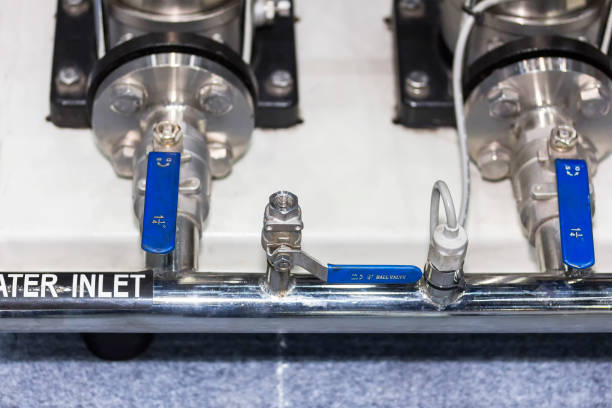
A lockable brass ball valve functions like any other ball valve—it uses a rotating ball with a hole through the center to control the flow of liquid or gas. The unique feature lies in its handle, which includes a hole for inserting a padlock.
This locking mechanism allows users to fix the valve in the open or closed position. When a padlock is applied, the valve can’t be turned, preventing tampering or accidental use.
Key Features:
- Made from corrosion-resistant brass
- Compatible with standard padlocks
- Available in various sizes (1/4", 3/8", 1/2", etc.)
- Operates with a quarter-turn handle
- Includes locking tabs or holes in the handle
- May feature color-coded handles for quick identification


Applications Across Industries
Lockable brass ball valves are essential in systems where control must remain in the right hands. Here’s where they are commonly used:
1. Public Water Systems
In parks, schools, and municipal buildings, valves often need protection against unauthorized use or vandalism. A lockable valve ensures the water stays on—or off—when it’s supposed to.
2. Industrial Facilities
Factories and warehouses use these valves in compressed air, fuel, and chemical systems. They help prevent accidental opening of lines during maintenance or after working hours.
3. Commercial Buildings
Property managers use them to restrict access in shared plumbing systems, such as rooftop water tanks or sprinkler systems.
4. Irrigation and Agriculture
On farms or community gardens, lockable valves keep water access secure, avoiding disputes or wastage.
5. Rental Properties or Shared Spaces
When plumbing is shared among tenants, lockable valves can help manage water usage responsibly.
In each setting, the lock function helps protect the system from misuse and potential damage.
How to Choose the Right Lockable Brass Ball Valve
Choosing the right valve is simple when you consider the following criteria:
1. Size and Thread Type
Determine your pipe size and connection type—common thread standards are NPT and BSP. Ensure the valve matches your setup to avoid leaks or extra adapters.
2. Pressure and Temperature Ratings
Most brass ball valves handle up to 600 PSI and temperatures from -20°C to 120°C. Always check the label to make sure it suits your application.
3. Lock Compatibility
Some valves accept standard padlocks, while others may need special locking kits. Look for a wide lock tab or handle hole that accommodates your preferred lock size.
4. Handle Design
Some valves allow locking in both open and closed positions. Others may lock only in one state. Choose based on your system needs.
5. Certifications
For drinking water or gas systems, choose valves with NSF, CSA, or CE certification, depending on your region.
6. Construction Quality
Select valves with solid brass bodies, chrome-plated balls, and PTFE seals. These features offer better durability and leak resistance.
Making the right selection ensures that the valve performs well and provides the intended security.
Installation Guide: Simple but Secure
Installing a lockable brass ball valve is much like installing any threaded ball valve. Here’s a step-by-step guide:
What You Need:
- Adjustable wrench
- PTFE tape or thread sealant
- A compatible padlock
- Clean cloth
Step-by-Step:
- Turn off the water or gas supply to the pipe.
- Clean the threads on both the pipe and the valve.
- Wrap PTFE tape clockwise around the male pipe threads (3–5 wraps).
- Hand-tighten the valve onto the pipe, then finish with a wrench.
- Test the valve by turning the handle and ensuring full open/close function.
- Lock the handle in your desired position using a padlock.
Once installed, check for leaks. Open and close the valve to confirm smooth operation before applying the lock permanently.
Lockable Brass Ball Valve vs. Standard Ball Valve
| Feature | Lockable Brass Ball Valve | Standard Brass Ball Valve |
|---|---|---|
| Security Level | High (can be locked) | Moderate (open to anyone) |
| Handle Design | With padlock hole or tab | Plain lever |
| Common Applications | Public, commercial, industrial | Residential, internal systems |
| Tamper Resistance | Excellent | Low |
| Installation Complexity | Same | Same |
| Price | Slightly higher | Lower |
| Peace of Mind | Strong | Moderate |
As you can see, lockable valves offer an extra measure of control and accountability, especially in shared or sensitive systems.
Conclusion: Better Control Starts with a Lock
Lockable brass ball valves offer more than just fluid control—they provide peace of mind, access control, and system security. Whether you're managing a public water supply, protecting an irrigation line, or preventing unauthorized usage in a building, these valves help you maintain order and efficiency.
Their brass construction ensures durability, while their locking feature gives you full control over who can operate the valve. When installed properly, they serve reliably for years with minimal maintenance.
So if you’re planning your next project and need more than a basic shut-off solution, consider choosing a lockable brass ball valve. It’s a small investment that delivers long-term confidence and control.