
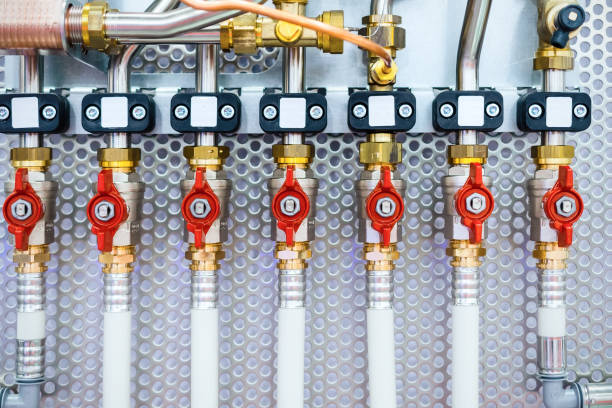
Shut-off brass valves are a vital component in modern water systems, especially when installed in conjunction with water meters. These valves provide quick and secure control over water flow, allowing for maintenance, emergency isolation, and system management without disrupting the entire pipeline. A shut-off valve made from brass offers superior durability, corrosion resistance, and reliability.
This guide will walk you through everything you need to know about shut-off brass valves for water meters, including their definition, features, common applications, how to choose the right one, installation tips, comparisons with other materials, and frequently asked questions.
Frequently Asked Questions (FAQ)
1. What is a shut-off brass valve used for in water meter installations?
It allows users or technicians to stop water flow to the meter or the property for maintenance, emergencies, or billing control.
2. Are brass valves safe for potable water?
Yes. Lead-free brass shut-off valves are certified safe for drinking water and widely used in residential and municipal systems.
3. Can I install a brass shut-off valve myself?
In small-scale residential setups, yes. However, for municipal or high-pressure lines, professional installation is recommended.
4. What sizes do brass shut-off valves come in?
Common sizes range from 1/2" to 2", depending on pipe size and water meter configuration.
5. How long does a brass shut-off valve last?
High-quality brass valves can last 10–20 years or longer, especially in well-maintained systems.

What Is a Shut-Off Brass Valve?
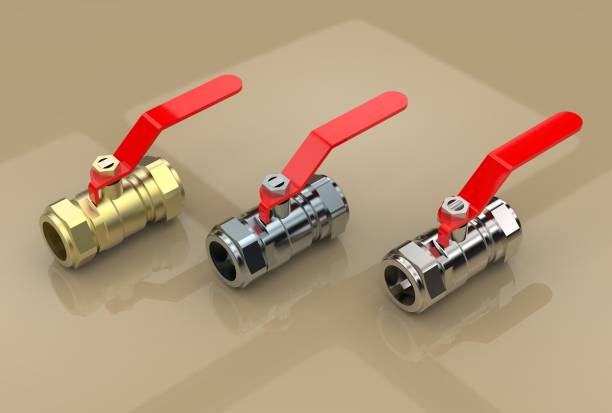
A shut-off valve is a device that completely stops or resumes the flow of water in a pipeline. When made from brass, the valve offers high mechanical strength and resistance to rust and corrosion. These qualities make it an ideal material for outdoor and underground installations, where it may be exposed to moisture and varying temperatures.
In water meter setups, the valve is typically installed upstream (before the water meter) to allow technicians or property owners to stop the water supply when needed.
Key Features:
- Quarter-Turn Operation: Easy open and close with a simple 90° handle movement.
- Full Bore Flow: Minimal pressure loss when valve is open.
- Corrosion Resistance: Brass resists rust even in wet or underground environments.
- Long Life: Withstands pressure, impact, and chemical exposure.
- Secure Sealing: Often includes PTFE seats or rubber washers to prevent leaks.
Applications of Shut-Off Brass Valves
Shut-off brass valves are used wherever reliable control over water flow is needed—especially around water meters. Below are the main applications.
Residential Water Supply
- Installed before the home’s water meter.
- Provides a way to shut off water during plumbing repairs.
- Helps prevent water loss during emergencies or leaks.
Commercial and Industrial Plumbing
- Used in commercial buildings or multi-unit apartments.
- Helps control water flow to individual units for maintenance or billing.
Municipal Water Systems
- Found in public water infrastructure.
- Enable city technicians to disconnect or reconnect water services safely.
Irrigation Systems
- Installed at the start of an irrigation line with a meter to monitor usage and manage flow.
Smart Meter Systems
- Integrated with smart meters for remote shut-off via electronic actuators (in some advanced systems).
How to Choose the Right Shut-Off Brass Valve for Your Water Meter
Selecting the correct brass shut-off valve ensures system efficiency and safety. Here are the key aspects to consider:
1. Material Quality
- Opt for lead-free brass valves, especially if used for drinking water.
- Look for standards like NSF/ANSI 61 to confirm safety.
- High-quality brass resists dezincification and stress cracking.
2. Valve Type
- Ball Valve: Most common and reliable type for shut-off applications.
- Gate Valve: Less common today but still used in some systems.
- Angle Valve: Used when the meter and pipe are perpendicular.
3. Size and Connection
- Match the valve size to the pipe and water meter—usually 3/4", 1", or 1 1/2".
- Available connections:
- Threaded (NPT): Common for homes and small buildings.
- Flanged: Used in commercial or municipal systems.
- Compression or Push-Fit: Easy installation for small residential projects.
4. Handle Design
- Lever Handles: Easy to use, visible position.
- T-handles: Compact for tight spaces.
- Some models include lockable handles for security.
5. Working Pressure and Temperature
- Check pressure rating (usually 150–600 psi depending on the valve).
- Ensure compatibility with water temperature (typically up to 80°C/176°F).
Installation Tips and Considerations
Proper installation ensures long-lasting performance and water-tight sealing. Here’s what to keep in mind:
Before Installation
- Confirm water is fully turned off.
- Choose the correct orientation—valve handles should be easily accessible.
- Check threads and fittings for damage or debris.
Installation Steps
- Apply PTFE tape to threaded ends for leak-proof seals.
- Tighten carefully using a wrench, avoiding over-tightening.
- Align valve in the same direction as flow arrow (if present).
- Test valve after installation by slowly turning on water and checking for leaks.
Maintenance Tips
- Periodically turn valve on/off to prevent stiffness.
- Check for corrosion or wear, especially in outdoor installations.
- Lubricate moving parts annually (if manufacturer allows).
Shut-Off Brass Valves vs. Other Valve Types
Here’s a comparison to help you understand how shut-off brass valves perform compared to other common types:
| Feature | Brass Shut-Off Valve | Plastic Valve | Stainless Steel Valve | Gate Valve |
|---|---|---|---|---|
| Material Strength | High | Moderate | Very High | High |
| Corrosion Resistance | Excellent | Good | Excellent | Moderate |
| Potable Water Approved | Yes (if lead-free) | Yes | Yes | Yes |
| Cost | Moderate | Low | High | Moderate |
| Ease of Operation | Very Easy (90° turn) | Easy | Easy | Requires multiple turns |
| Lifespan | 10–20 years | 5–10 years | 20+ years | 10–15 years |
| Application Scope | Residential, Industrial | Mostly residential | Industrial, High-pressure use | Older systems |
In summary, brass shut-off valves provide the best balance of durability, safety, cost, and performance for most water meter installations.
Conclusion
A shut-off brass valve for water meters is a small but essential part of any plumbing or water management system. It offers secure, reliable control over water flow, making it easy to isolate sections of piping for maintenance, emergency response, or billing purposes. Thanks to their robust construction and resistance to corrosion, brass shut-off valves continue to be a top choice for both residential and municipal applications.
When choosing your valve, consider size, material quality, pressure rating, and connection type. Proper installation and regular maintenance can ensure decades of flawless service. Whether you’re upgrading a home system or managing a large infrastructure project, a high-quality brass shut-off valve can make all the difference in water management.