

Steam valves play a critical role in modern industrial and commercial systems. They regulate steam flow, maintain pressure, and ensure safety in high-temperature environments. Whether you're designing a new piping system or upgrading an existing one, understanding how a steam valve works helps you make smarter and safer choices.
In this guide, you'll learn what steam valves are, how they function, the different types available, and how to select the right one for your application. Let’s dive in.
What Is a Steam Valve?
A steam valve is a mechanical device that controls the flow of steam through a pipeline. It helps manage temperature, pressure, and energy distribution in heating, process, or utility systems.
Unlike water valves, steam valves must endure higher temperatures and pressures. Therefore, manufacturers build them with stronger materials like brass, stainless steel, and cast iron. Engineers use these valves in industries such as power generation, food processing, textiles, and chemical manufacturing.
Key Functions of a Steam Valve
Steam valves perform several essential tasks:
- Regulate Flow: They adjust the steam supply to match the system’s demand.
- Maintain Pressure: They prevent dangerous pressure buildup.
- Isolate Equipment: Technicians use them to shut off sections during maintenance.
- Prevent Backflow: Check valves block reverse flow that could damage equipment.
- Control Temperature: By managing steam volume, they indirectly control heat.
Each function plays a crucial role in maintaining operational efficiency and system safety.

Types of Steam Valves
Steam systems require different valve types depending on their function. Here are the most common:
1. Gate Valve
Gate valves open or close completely. They work well when you need full flow or complete shutoff. However, they do not allow for fine control.
2. Globe Valve
Globe valves offer precise flow regulation. They use a plug and seat mechanism to adjust steam volume. You often find them in modulation systems.
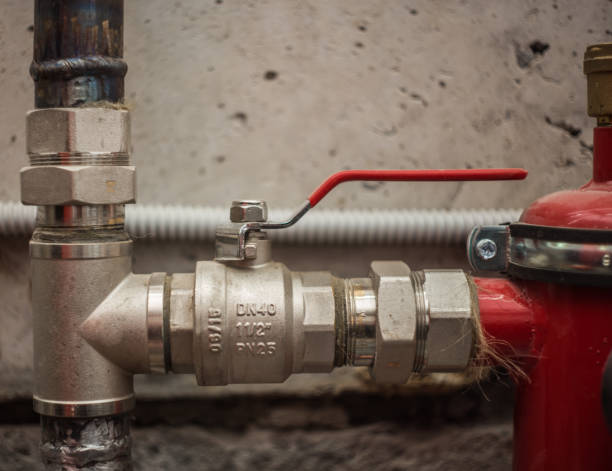
3. Ball Valve
Ball valves use a rotary ball with a bore. They offer fast shutoff and minimal pressure drop. However, they are not ideal for throttling steam.
4. Butterfly Valve
Butterfly valves are compact and lightweight. They control large volumes with a quarter-turn mechanism. Engineers use them in HVAC and industrial plants.
5. Check Valve
Check valves allow one-way steam flow. They prevent backflow and protect equipment from pressure surges.
Common Applications of Steam Valves
Steam valves serve various sectors and systems. Here are the main application areas:
- Power Plants: Steam turbines require accurate flow and pressure control.
- Food Processing: Steam cooks, sterilizes, and cleans in hygienic environments.
- HVAC Systems: Steam provides heating for commercial buildings.
- Chemical Industry: Reactors use steam for controlled heating.
- Laundry Facilities: Steam powers ironing presses and sterilizers.
Each application depends on the valve’s ability to handle high temperatures and pressures without failure.
How to Choose the Right Steam Valve
Choosing the correct steam valve depends on your system’s needs. Follow these steps to make the best decision:
1. Define Operating Conditions
Check your system’s pressure range, temperature, and steam quality. High-pressure saturated steam requires stronger materials than low-pressure steam.
2. Select the Right Valve Type
Choose a globe valve for precise control, a gate valve for shutoff, or a ball valve for quick action. Think about what function the valve will perform.
3. Check Material Compatibility
Use stainless steel or brass for corrosive or high-pressure steam. Make sure the material matches your media and environment.
4. Confirm Connection Type
Valves come with threaded, flanged, or welded ends. Choose one that suits your piping design and installation method.
5. Verify Certifications
Look for valves certified by ASME, ISO, or API standards. These labels confirm the valve meets international quality and safety benchmarks.
Installation Tips for Steam Valves
Proper installation ensures long valve life and safe operation. Follow these key steps:
- Clean the pipe before installation to remove debris.
- Use gaskets or thread sealant to prevent leaks.
- Align the valve properly with the pipeline.
- Support heavy valves with brackets to reduce pipe stress.
- Perform a pressure test after installation.
Routine inspection and maintenance will also extend the valve’s performance.
Steam Valve vs Other Valve Types (Comparison Table)
| Feature | Steam Valve | Water Valve | Gas Valve | Oil Valve |
|---|---|---|---|---|
| Temperature Rating | Very High | Moderate | High | Moderate |
| Pressure Resistance | Excellent | Moderate | High | High |
| Material | Brass/Stainless | PVC/Brass | Stainless/Brass | Cast Iron/Brass |
| Use Case | Steam systems | Plumbing | Heating/Gas lines | Lubrication lines |
| Cost | Higher | Lower | Medium | Medium |
Steam valves handle more extreme conditions compared to others. Therefore, they must meet more stringent specifications and come with a higher price.
Conclusion
A steam valve is a powerful and essential component in any high-pressure system. It protects equipment, controls flow, and maintains system balance. By choosing the right type, material, and size, you ensure a long-lasting, safe, and efficient system.
Whether you manage a plant, install HVAC systems, or work in a hospital laundry, using high-quality steam valves helps you maintain top performance. Always consider safety, reliability, and compatibility when choosing one.
FAQs About Steam Valves
1. What is the best type of valve for steam applications?
Globe valves offer the best control, but gate and ball valves work well for shutoff purposes.
2. Can I use a water valve for steam?
No. Steam valves use stronger materials and sealing systems to withstand heat and pressure. Water valves may fail in steam environments.
3. How often should I inspect a steam valve?
Inspect every 6–12 months depending on usage and environment. Look for leaks, corrosion, or improper operation.
4. What materials are best for steam valves?
Stainless steel and brass resist high temperatures and corrosion. Avoid plastic or rubber components.
5. Why is valve sizing important in steam systems?
Incorrect sizing can lead to pressure drops, inefficiency, or equipment damage. Always match valve size to system specifications.