

High-Density Polyethylene (HDPE) pipes are renowned for their durability, flexibility, and cost-efficiency, making them a popular choice in industries ranging from water supply to gas distribution. However, improper installation, handling, or maintenance can lead to premature failures, leaks, or reduced lifespan. Below are critical mistakes to avoid when using HDPE pipes to ensure optimal performance and longevity.

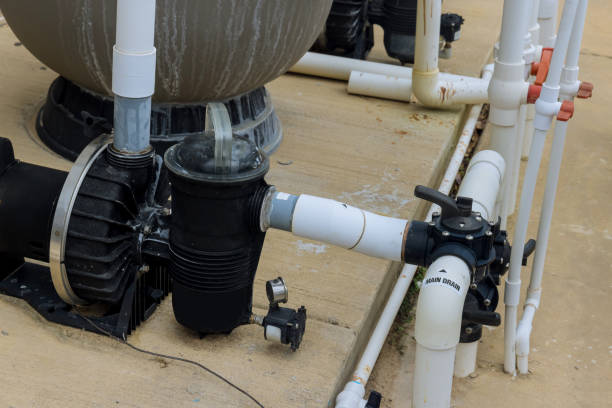
1. Incorrect Storage and Handling
Mistake: Exposing HDPE pipes to direct sunlight or extreme temperatures for prolonged periods.
Impact: UV radiation weakens the material, while excessive heat can cause deformation.
Solution: Store pipes indoors or under UV-resistant covers. Avoid stacking them in a way that distorts their shape.
2. Poor Fusion Jointing Practices
Mistake: Using improper heating temperatures or insufficient cooling time during electrofusion or butt fusion.
Impact: Weak joints increase the risk of leaks under pressure.
Solution: Follow manufacturer guidelines for heating temperatures (typically 200–220°C for butt fusion) and allow adequate cooling (10–15 minutes for standard joints).
3. Overlooking Pipe Sizing and Pressure Ratings
Mistake: Selecting pipes with inadequate diameter or pressure ratings for the application.
Impact: Low flow rates, system inefficiencies, or burst pipes under high pressure.
Solution: Calculate peak demand and pressure requirements. Use pipes with a safety margin (e.g., PE100 grade for pressures up to 25 bar).
4. Inadequate Bedding and Backfilling
Mistake: Installing pipes on uneven surfaces or using sharp rocks during backfilling.
Impact: Uneven stress distribution causes cracks or deformation.
Solution: Use sand or fine gravel for bedding and backfilling. Compact layers gently to avoid damaging the pipe.
5. Neglecting Temperature Considerations
Mistake: Using HDPE pipes in high-temperature applications (e.g., steam lines) without checking material compatibility.
Impact: HDPE softens above 60°C, leading to deformation or failure.
Solution: Limit use to temperatures below 60°C. For hot-water systems, opt for cross-linked polyethylene (PEX) or metal pipes.
6. Improper Installation of Fittings
Mistake: Over-tightening mechanical fittings or using incompatible materials.
Impact: Leaks at connections or corrosion due to chemical reactions.
Solution: Use HDPE-specific fittings and torque wrenches for mechanical joints. Avoid mixing metals with HDPE to prevent galvanic corrosion.
7. Failing to Account for Thermal Expansion
Mistake: Not leaving room for thermal expansion in long pipe runs.
Impact: Buckling or joint stress during temperature fluctuations.
Solution: Install expansion loops or use flexible couplings every 50–100 meters for long pipelines.
8. Skipping Regular Inspections and Maintenance
Mistake: Assuming HDPE pipes are maintenance-free and ignoring routine checks.
Impact: Undetected leaks, root intrusion, or ground movement damage.
Solution: Conduct annual visual inspections and use acoustic leak detection tools. Address issues like soil settlement promptly.
FAQ
Q1: Can HDPE pipes be used for drinking water systems?
A1: Yes, HDPE is certified for potable water. Ensure pipes meet NSF/ANSI 61 standards for safety.
Q2: How long do HDPE pipes typically last?
A2: 50–100 years with proper installation and maintenance, depending on environmental conditions.
Q3: Can HDPE pipes be repaired if damaged?
A3: Yes, minor cracks can be repaired using electrofusion patches or mechanical couplings.
Q4: Are HDPE pipes resistant to chemicals?
A4: Highly resistant to most acids, bases, and salts, but avoid prolonged exposure to oils or hydrocarbons.
Q5: What is the maximum bending radius for HDPE pipes?
A5: Typically 20–25 times the pipe diameter. Exceeding this can cause kinking or stress fractures.
Conclusion
HDPE pipes offer unmatched reliability when used correctly. By avoiding common pitfalls—such as poor storage, improper jointing, or neglecting maintenance—users can maximize the pipes’ lifespan and performance. Always consult manufacturer guidelines and local codes to ensure compliance and safety.
By steering clear of these mistakes, industries can harness the full potential of HDPE pipes, ensuring efficient, sustainable, and long-lasting infrastructure solutions.