
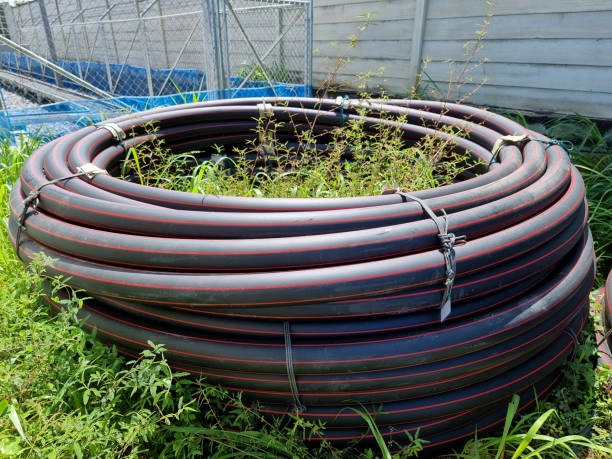
When dealing with medium flow systems in residential, commercial, or agricultural applications, 2-inch HDPE fitting provide the perfect balance of durability, flexibility, and cost-efficiency. This article explores everything you need to know about 2-inch HDPE fittings—including their features, applications, buying tips, and installation considerations—to help you make informed decisions and achieve long-lasting, leak-free piping systems.
FAQ
1. What are 2-inch HDPE fitting used for?
They are commonly used in water supply, irrigation systems, drainage lines, and low-pressure industrial fluid transport.
2. Can 2-inch HDPE fitting handle high pressure?
They are generally suitable for medium-pressure systems. Always check the pressure rating (PN) for your specific use case.
3. Are they compatible with fusion welding?
Yes, most 2-inch HDPE fittings support butt fusion and electrofusion jointing methods.
4. How long do these fittings last?
With proper installation, 2-inch HDPE fittings can last over 50 years in standard conditions.
5. Are 2-inch fittings available in different configurations?
Absolutely. They come as elbows, tees, couplers, reducers, end caps, and more.
Definition and Features of 2-Inch HDPE Fitting
2-inch HDPE fittings are pipe connectors specifically sized to match 2-inch diameter HDPE pipes. These fittings are made from high-density polyethylene and offer reliable performance across various medium flow applications.
Notable Features:
- Durability: Withstand abrasion, impact, and corrosion.
- Flexibility: Accommodate minor ground movement without cracking.
- Leak-Free Joints: Use fusion technology to ensure watertight connections.
- Chemical Resistance: Suitable for various fluids including potable water and some chemicals.
- Lightweight: Easier to transport and install compared to metal alternatives.
Applications of 2-Inch HDPE Fittings
2-inch HDPE fittings are popular across several industries due to their balance of size and flow capacity:
- Residential Plumbing: Suitable for main water lines and drainage.
- Commercial Buildings: Used in HVAC piping and graywater systems.
- Agricultural Irrigation: Ideal for medium-range irrigation pipelines.
- Industrial Facilities: Common in chemical handling and process water systems.
- Temporary Installations: Useful in construction or event site water setups.
Buying Guide: Selecting 2-Inch HDPE Fitting
To choose the best fittings for your project, consider the following:
- Pressure Rating (PN): Confirm the pressure class matches your system needs.
- Material Grade: Opt for PE100 for better strength and longevity.
- Joint Type: Choose between butt fusion, electrofusion, or mechanical fittings.
- Certification: Look for NSF, ISO, or ASTM-certified products.
- Application Requirements: Determine if the fitting is for water, gas, or industrial fluids.
- Fitting Type: Select elbows, tees, couplings, or reducers as per layout.
Installation Tips for 2-Inch HDPE Fitting
Correct installation is essential to ensure system efficiency:
- Clean all surfaces before welding or joining.
- Use calibrated fusion equipment for accurate heating and pressure.
- Allow cooling time before handling or pressurizing the system.
- Avoid misalignment, which can stress the joint.
- Test the system for leaks and integrity post-installation.
2-Inch HDPE Fittings vs Other Material Options
| Feature | 2-Inch HDPE Fittings | PVC Fittings (2-Inch) | Metal Fittings (2-Inch) |
|---|---|---|---|
| Flexibility | High | Low | Very Low |
| Leak Resistance | Excellent (fusion) | Moderate (solvent) | Good (threaded/welded) |
| Corrosion Resistance | Excellent | Good | Poor to Moderate |
| Weight | Lightweight | Lightweight | Heavy |
| Installation Method | Fusion or Mechanical | Solvent Cement | Threading/Welding |
| Lifespan | 50+ years | 30–50 years | 20–40 years |
| Environmental Safety | High | Moderate | Low |
Conclusion
2-inch HDPE fittings are a top choice for medium-flow piping systems that require long-term durability, flexibility, and reliability. Their resistance to chemicals, ease of installation, and leak-proof design make them ideal for a wide range of applications. By selecting certified, application-appropriate fittings and following proper installation procedures, you can build a piping system that performs efficiently for decades.