
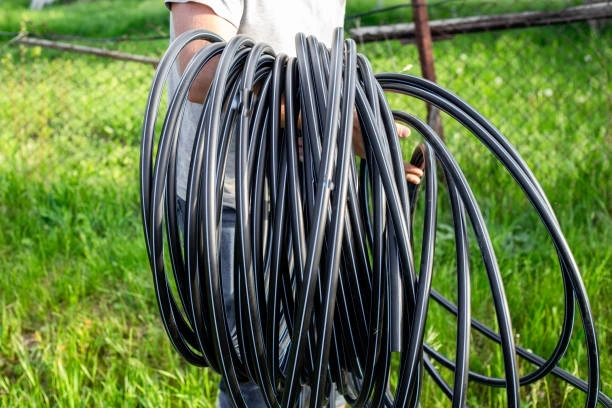
High-Density Polyethylene (HDPE) fittings play a vital role in modern fluid transportation systems. This comprehensive catalogue is designed to guide buyers through the wide variety of HDPE fittings available on the market, their uses, specifications, and how to choose the right ones. Whether you are planning a municipal water supply network or an agricultural irrigation system, understanding the range of HDPE fittings ensures better performance and fewer installation issues.
FAQ: Common Questions About HDPE Fittings Catalogue
1. What is included in an HDPE fittings catalogue?
It includes product types like elbows, tees, reducers, couplers, end caps, flanges, and their dimensions, pressure ratings, and material specifications.
2. Are HDPE fittings universal?
Not all HDPE fittings are universal. Always check compatibility with the pipe's diameter and pressure class.
3. Can I use the same fitting for water and gas?
No. Different color codes and standards apply. Blue is typically for water, yellow for gas.
4. How do I choose between butt fusion and electrofusion fittings?
Butt fusion is ideal for larger pipes; electrofusion works well in tight spaces and smaller diameters.
5. Are catalogues available online?
Yes. Most suppliers provide downloadable HDPE fittings catalogues with technical data and installation guides.

What Are HDPE Fittings and Why Are They Important?
HDPE fittings are accessories used to connect sections of HDPE pipe or to change direction, reduce size, or stop flow. These fittings are engineered from high-density polyethylene to maintain uniformity and chemical resistance in systems that transport water, gas, or industrial fluids.
Key Characteristics:
- Leak-free joint integrity through fusion methods
- High resistance to chemical corrosion and environmental stress
- Flexibility for underground installations and seismic zones
- Long service life exceeding 50 years in standard conditions
Common Types of HDPE Fittings in a Catalogue
A standard HDPE fittings catalogue typically includes:
- Elbows (45°, 90°): Change the direction of flow.
- Tees (equal, reducing): Connect three pipe sections.
- Reducers (concentric, eccentric): Connect pipes of different diameters.
- Couplings (mechanical, electrofusion): Join two straight pipes.
- End Caps: Seal pipe ends.
- Stub Ends and Flange Adapters: Used for detachable connections.
- Compression Fittings: Tool-free and easy to install for low-pressure systems.
Each product type comes with size ranges (from 20mm to 1200mm+), pressure ratings (typically PN6 to PN25), and joining options.
Industries That Rely on HDPE Fittings
HDPE fittings serve various applications due to their strength and adaptability:
- Municipal Water Supply and Sewage
- Irrigation in Agriculture
- Gas Distribution Networks
- Industrial Fluid Transfer
- Mining and Slurry Transport
- Firefighting Systems
Buying Guide: How to Use the Catalogue Efficiently
When reviewing an HDPE fittings catalogue, pay close attention to:
- Pipe Compatibility: Ensure matching SDR (Standard Dimension Ratio) and diameter.
- Material Grade: PE100 is stronger and more pressure-resistant than PE80.
- Color Coding: Follow local guidelines for water, gas, or industrial fluids.
- Certification: Look for ISO, ASTM, or NSF markings for safety and compliance.
- Accessories: Select matching flanges, seals, bolts, and fusion equipment.
Suppliers usually include ordering codes and product references to simplify the process.
Installation Considerations
To get the best results from HDPE fittings, consider:
- Preparation: Clean and align pipes and fittings precisely.
- Tools: Use proper fusion machines (manual or automatic).
- Safety: Follow temperature and pressure guidelines during fusion.
- Cooling Time: Allow enough time post-fusion before pressurizing.
- Inspection: Conduct leak and pressure tests after installation.
HDPE Fittings Catalogue vs. Other Material Fittings
| Feature | HDPE Fittings Catalogue | PVC Catalogue | Metal Fittings Catalogue |
|---|---|---|---|
| Flexibility | High | Low | Very Low |
| Jointing Methods | Fusion, Compression | Solvent Weld | Threaded or Welded |
| Corrosion Resistance | Excellent | Moderate | Poor to Moderate |
| Environmental Safety | High (non-toxic, recyclable) | Moderate | Low |
| Weight | Lightweight | Lightweight | Heavy |
| Temperature Range | -40°C to +60°C | 0°C to +60°C | Depends on material |
Conclusion
An HDPE fittings catalogue is more than a list—it’s a technical guide that helps engineers, contractors, and buyers choose the right components for every project. By understanding the various types, standards, and application methods, you can reduce costs, avoid installation errors, and achieve long-term reliability. Always consult a trusted supplier to get access to up-to-date catalogues and technical support tailored to your project.