

When it comes to building a reliable drainage system, choosing the right piping material is essential. Factors like strength, flexibility, chemical resistance, and ease of installation all play a role in long-term performance. This is where corrugated PE pipe stands out. Known for its ridged exterior and smooth interior, this pipe type offers a unique combination of structural strength and flow efficiency.
In the sections that follow, we will explain what corrugated PE pipe is, answer common questions, highlight its advantages, show where it’s used, and help you compare it to other drainage options. Let’s get started.
Frequently Asked Questions (FAQ)
To begin, let’s answer a few of the most commonly asked questions about corrugated PE pipe:
1. What is corrugated PE pipe used for?
It is widely used in stormwater drainage, roadside runoff, agricultural drainage, and non-pressurized sewer systems.
2. How is it different from regular smooth-wall PE pipe?
Corrugated PE pipe features a ribbed exterior for strength and a smooth or semi-smooth interior to promote flow, unlike smooth-wall PE which is uniform.
3. Can this type of pipe handle pressure?
No. Corrugated PE pipes are meant for gravity flow systems only and are not rated for pressurized use.
4. Is it UV resistant?
It depends. Some versions are UV-stabilized, but standard corrugated PE pipe should be buried or shielded from sunlight.
5. What sizes are available?
Common diameters range from 100mm to over 1000mm, depending on whether the pipe is single-wall or double-wall.
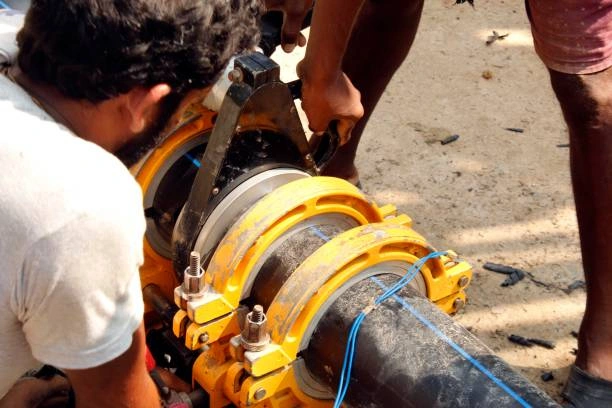
Understanding Corrugated PE Pipe: Definition and Features
Now that we’ve covered the basics, let’s define corrugated PE pipe more precisely. It is a polyethylene pipe designed with a corrugated (wavy) outer wall and a smooth inner wall. This dual-layer structure is available in two main formats:
- Single-wall: Lightweight and flexible, ideal for light-duty use.
- Double-wall: Provides higher structural strength and better flow capacity.
Key Features
Corrugated PE pipes offer several features that make them well-suited for drainage applications:
- High Flexibility: Easily bends to follow terrain, reducing the need for fittings.
- Low Weight: Makes transportation and handling simple, especially in remote areas.
- Excellent Chemical Resistance: Suitable for a range of waste and runoff materials.
- Smooth Flow: The inner wall allows water to pass through efficiently.
- Long Lifespan: Resistant to rust, rot, and corrosion—lasting 50 years or more.
- Environmentally Friendly: Made from recyclable polyethylene.
Where Corrugated PE Pipe Is Commonly Used
Let’s take a closer look at the main applications of corrugated PE pipe. Thanks to its durability and design, it serves in many sectors.
1. Stormwater Drainage
Corrugated PE pipe is frequently used to manage runoff from roofs, parking lots, and roads. Its high flow capacity and durability make it ideal for such applications.
2. Road and Highway Infrastructure
Under roads, especially in rural or flood-prone areas, these pipes prevent water accumulation and maintain road integrity.
3. Agricultural Runoff
In farming, the pipe helps drain excess groundwater, improving crop yields and soil conditions. Because it comes in long coils, it’s easy to lay in fields.
4. Residential and Commercial Landscaping
It is often used to redirect water away from building foundations or to support lawn drainage.
5. Non-Pressurized Sewer Systems
In some cases, it is used in gravity-fed sewer lines or in septic system drain fields.
How to Choose the Right Corrugated PE Pipe
Now that you know where it’s used, let’s move on to how to choose the right pipe for your project. This involves several important considerations.
1. Single-Wall vs. Double-Wall
- Single-wall is more flexible and easier to install, but better suited for shallow or light-duty applications.
- Double-wall offers increased durability and can handle higher soil and traffic loads, making it ideal for infrastructure projects.
2. Perforated or Solid Pipe
- Perforated pipes collect water along their length—perfect for French drains and irrigation fields.
- Solid pipes are used when you only need to transport water without intake.
3. Diameter Size
Choose a size that matches your expected flow volume. Residential use may only require 4 to 6 inches, while municipal systems often require 12 inches or more.
4. Load Ratings
For roads or driveways, select pipes that are tested and rated for high loads. These are typically double-wall pipes with extra reinforcement.
5. Compliance and Certifications
Always check that the product meets local and national standards (like ASTM or AASHTO), especially for public projects or potable water systems.
Proper Installation Practices
Even the best pipe won’t perform well if installed incorrectly. Therefore, here are a few tips to ensure successful, long-term results:
- Prepare the Trench: A level trench with compacted bedding material (like sand or gravel) ensures stability.
- Ensure Slope Accuracy: Maintain a consistent slope—typically 1–2%—for proper gravity drainage.
- Use the Right Connections: Couplers or seals should match the pipe type and ensure watertight connections.
- Backfill Gradually: Distribute fill evenly around the pipe to prevent warping or damage.
- Inspect Access Points: If needed, install inspection ports for future cleaning or monitoring.
With proper planning, corrugated PE pipe installation is both fast and cost-effective.
Corrugated PE Pipe vs. Other Drainage Options
To help you make an informed choice, here’s how corrugated PE pipe compares with other common drainage materials:
| Feature | Corrugated PE Pipe | PVC Drain Pipe | Concrete Pipe | Steel Pipe |
|---|---|---|---|---|
| Flexibility | High | Moderate | Very Low | Very Low |
| Weight | Very Light | Light | Very Heavy | Heavy |
| Chemical Resistance | Excellent | Good | Moderate | Poor |
| Installation Cost | Low | Moderate | High | High |
| Lifespan | 50+ Years | 30–40 Years | 40–60 Years | 20–40 Years |
| Best Use Case | Drainage Systems | Indoor/Outdoor Drainage | Sewer or Storm Drains | High-pressure lines |
As you can see, corrugated PE pipe strikes a strong balance between affordability, performance, and ease of use.
Conclusion
In summary, corrugated PE pipes offers a highly flexible and dependable solution for a wide range of drainage needs. Its design combines structural strength with efficient water flow, and its resistance to chemicals, corrosion, and deformation makes it a long-lasting option.
From stormwater systems to farm fields and roadside drains, corrugated PE pipe proves itself time and again. With proper selection and correct installation, it can serve reliably for decades, offering both performance and peace of mind.
Whether you're working on a commercial drainage project or a simple backyard system, this pipe should be high on your list of practical, cost-effective options.