
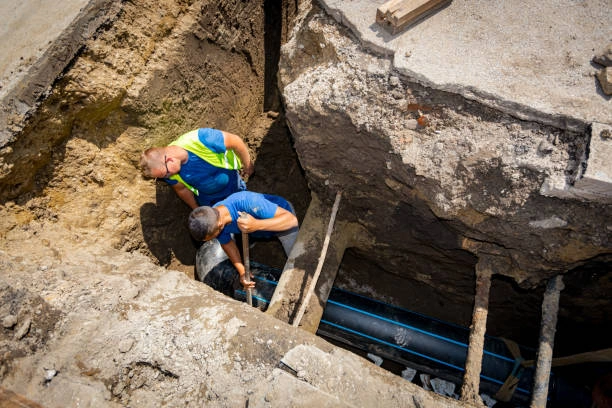
When designing a fluid distribution system—whether for water, irrigation, or industrial use—the choice of pipe size plays a vital role in balancing flow capacity, pressure performance, and ease of installation. The 2 inch PE pipe (approximately 50.8 mm outer diameter) occupies a sweet spot: it’s compact yet capable of handling moderate flow rates with efficiency and flexibility.
In this article, we’ll guide you through what makes the 2 inch PE pipe a popular medium-flow solution. We'll cover common FAQs, define its key features, explore its applications, offer guidance on selecting the right variant, provide installation best practices, compare it with other materials, and conclude with final insights.
Frequently Asked Questions
- What is a 2 inch PE pipe used for?
This size is widely used in urban water supply, residential plumbing, irrigation systems, and pipeline repair for both potable and non-potable uses. - What materials are used? HDPE or LDPE?
Most 2 inch PE pipes are made of HDPE (High-Density Polyethylene), which offers excellent pressure rating, strength, and durability. LDPE is generally not preferred for pressure systems due to lower rigidity and tensile strength. - What is the outer diameter of a 2 inch PE pipe?
It’s standardized at approximately 50.8 mm, matching common industrial and civil specifications. - Can it handle pressure and abrasion?
Yes. HDPE pipes—including the 2 inch variant—resist corrosion and abrasions, and their smooth interior improves flow while minimizing wear. - How durable are these pipes?
With proper fusion joints, HDPE pipes can last 50 to 100 years, offering superior longevity and zero documented leaks when correctly installed.
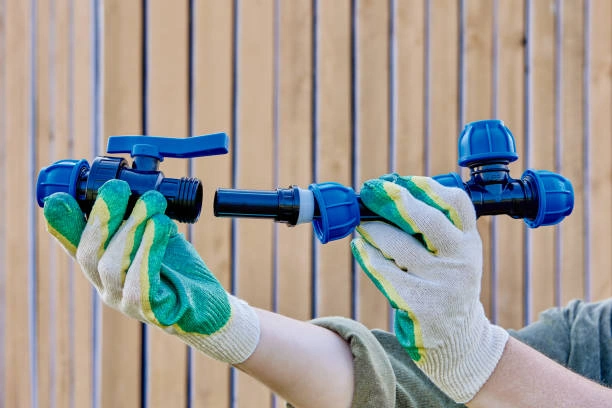
Definition and Notable Features of 2 Inch PE Pipe
The 2 inch PE pipe refers to a polyethylene pipe (typically HDPE) with an outer nominal diameter of around 50.8 mm. It combines a compact profile with strong pressure-bearing capability.
Key Features:
- High Strength & Pressure Resistance: Made from HDPE, it offers enhanced tensile strength and stiffness compared to LDPE.
- Corrosion & Chemical Resistance: It resists rust, biofouling, and chemical degradation—ideal for water, wastewater, and industrial fluids.
- Smooth Flow Characteristics: The smooth inner surface promotes efficient flow and lowers friction losses.
- Lightweight & Flexible: Easy to handle in coils and install even in difficult terrains.
- Long Service Life: With fused joints, lifespan ranges from 50 to 100 years.
Common Uses and Industry Applications
The 2 inch PE pipe excels in multiple sectors:
- Municipal and Residential Water Supply: Used in underground networks and building plumbing systems.
- Agricultural Irrigation: Common in drip systems, sub-main lines, and greenhouse watering setups; available in coils for easy layout.
- Repair and Retrofitting: Often substituted for steel or aging PVC pipelines, particularly via trenchless techniques like pipe bursting.
- Industrial and Process Piping: Suitable for transporting various fluids under pressure with resilience against wear.
Selection Guide: Choosing the Right 2 Inch PE Pipe
When selecting a 2 inch PE pipe, consider the following:
- Material Grade: Opt for HDPE (often PE100 or similar), ensuring sufficient tensile strength and pressure rating.
- Pressure Rating: Check PN or SDR ratings; typical applications might require PN10 or PN12.5 based on system pressure.
- Certification & Standards: Look for compliance to ASTM, AWWA, or local standards if using for potable water or civil work.
- Color Coding: Some pipes feature colored stripes—for example, blue for potable water systems to ease identification.
- Delivery Format: Coiled rolls are ideal for ease of installation, especially in irrigation or remote areas.
Installation Considerations for 2 Inch PE Pipes
To ensure long-term performance:
- Fused Jointing: Use heat fusion methods (butt or electrofusion) to achieve leak-free, strong connections.
- Trenchless Techniques: Methods such as pipe bursting allow replacing old pipes without extensive excavation.
- Support and Bedding: Use sand or gravel bedding when burying to prevent damage, and compact soil evenly.
- Handling & Storage: Uncoil gently, avoid sharp bends, and protect from UV unless pipe contains carbon black for stabilization.
- Testing: Conduct pressure tests before backfilling or commissioning the system.
Comparison: 2 Inch PE Pipe vs Other Materials
Here’s a text‑based comparison showing how 2 inch HDPE pipes stack up against common alternatives:
| Feature | 2 Inch PE (HDPE) | PVC Pipe | Steel Pipe |
|---|---|---|---|
| Flexibility | High (coils, curves) | Low | Very Low |
| Corrosion Resistance | Excellent | Moderate | Poor (rusts) |
| Pressure Handling | High | Moderate | High |
| Joint Method | Heat fusion (leak‑free) | Solvent/thread | Welding/thread |
| Installation Ease | Easy (lightweight) | Moderate | Difficult (heavy) |
| Service Life | 50–100+ years | 30–50 years | 20–40 years |
| Cost | Moderate long-term | Lower upfront | High upfront, high maintenance |
Conclusion
The 2 inch PE pipe represents a well-balanced solution for medium-flow applications. Its HDPE construction gives it remarkable strength, pressure resistance, and durability, while its flexibility and lightweight design make it practical for various uses—from municipal water to irrigation and industrial pipelines.
When you pair proper material selection with quality fusion installation and condition-based planning, the result is a piping system that delivers reliable, leak-free performance for decades. Whether you’re upgrading infrastructure or installing a new system, the 2 inch PE pipe should be on your shortlist.