
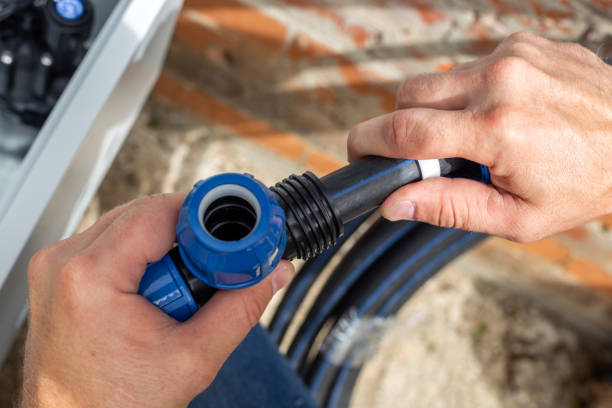
High-Density Polyethylene (HDPE) pipes have become a standard choice in modern plumbing and infrastructure systems. Known for their flexibility, strength, and durability, HDPE pipes are widely used in various sectors. However, to ensure their efficiency and safety, proper pipe fitting is essential. This guide explores everything you need to know about fitting HDPE pipes—from understanding the basics to selecting and installing the right fittings.
FAQs About Fitting HDPE Pipes
1. What are HDPE pipe fittings used for?
HDPE pipe fittings are used to connect, extend, or change the direction of HDPE piping systems in a safe and leak-proof manner.
2. Are HDPE pipe fittings compatible with other materials?
Yes, with the right adapters and techniques, HDPE fittings can connect to materials such as PVC, copper, or steel.
3. Can I use glue to join HDPE pipes?
No. Unlike PVC, HDPE cannot be glued. Instead, thermal fusion or mechanical fittings are used.
4. What is the best method for installing HDPE fittings?
Fusion welding, particularly butt fusion and electrofusion, is the most reliable method for HDPE pipe fittings.
5. How long do HDPE fittings last?
When installed correctly, HDPE fittings can last 50 years or more, even in harsh environments.
What Does “Fitting HDPE Pipes” Mean?
Fitting HDPE pipes refers to the process of joining HDPE pipes using specialized components and techniques. These fittings include couplings, tees, elbows, reducers, and adapters that ensure a tight and leak-free connection. Since HDPE is non-glueable, fittings rely on mechanical seals or thermal fusion to achieve strong joints.
Key Characteristics of HDPE Pipe Fittings
- Flexibility: Allows movement and vibration resistance, reducing the risk of breakage.
- Corrosion Resistance: Excellent chemical and moisture resistance makes it suitable for buried or exposed applications.
- High Impact Strength: HDPE fittings withstand mechanical stress and impact without cracking.
- Leak-Free: Fusion methods create seamless connections that reduce the chance of leakage.
- Lightweight: Easier handling and installation compared to metal alternatives.
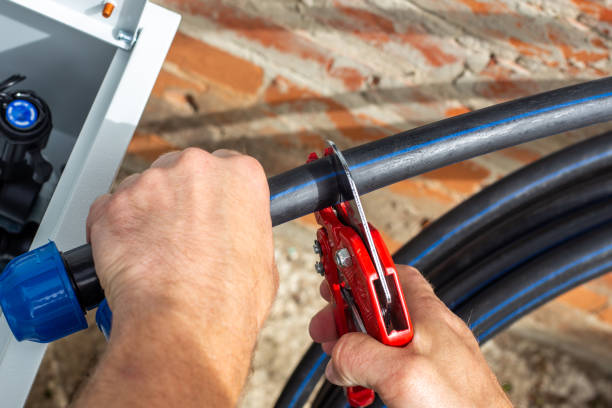
Common Applications of HDPE Fittings
Thanks to their versatility and performance, HDPE fittings are used in a wide range of industries:
- Water Supply Systems: Municipal and residential water distribution lines.
- Agriculture: Irrigation systems and drainage networks.
- Mining and Industrial Plants: Transporting slurries, chemicals, and industrial waste.
- Gas Distribution: Safe and flexible gas transmission under pressure.
- Sewage Systems: Underground sewer and stormwater pipelines.
- Telecommunication: Protecting fiber optic and electrical cables in ducts.
Each application requires specific types of fittings and proper joining techniques, depending on the pressure, material flow, and environmental conditions.
How to Choose the Right HDPE Pipe Fittings
Selecting the correct fitting ensures the efficiency and longevity of the piping system. Here are several aspects to consider:
1. Material Compatibility
Always choose fittings made of high-quality HDPE material or certified compatible materials, especially when connecting to other pipe types like steel or PVC.
2. Pressure Rating
Ensure the fittings match the pressure rating of the pipe. Overloading can lead to failure and safety risks.
3. Size and Dimensions
Fittings should match the pipe diameter precisely. HDPE fittings are available in metric and imperial sizes, so double-check measurements.
4. Color Codes
In some regions, HDPE pipes and fittings come color-coded for specific uses (e.g., blue for potable water, yellow for gas). Choose accordingly.
5. Certifications
Look for fittings with ISO, ASTM, or other relevant certifications to ensure quality and performance standards.
6. Fusion Compatibility
Check whether the fitting supports butt fusion or electrofusion, depending on your tools and installation preferences.
Installation Tips for HDPE Pipe Fittings
Installing HDPE fittings correctly is crucial to system integrity. Follow these steps for best results:
1. Preparation
Clean the pipe ends thoroughly. Make sure there is no dirt, oil, or moisture that might affect the joint.
2. Alignment
Ensure the pipe ends are perfectly aligned. Misalignment can lead to weak joints or leaks.
3. Fusion Techniques
- Butt Fusion: Align and heat pipe ends until they melt, then press together to form a solid joint.
- Electrofusion: Use fittings with built-in electrical coils that melt and bond the pipe to the fitting when current is applied.
4. Cooling Time
Allow joints to cool completely before applying pressure or moving the pipes.
5. Inspection
Visually inspect every joint to ensure there are no gaps or surface cracks. For critical systems, consider pressure testing.
Fitting HDPE Pipes vs. Other Pipe Materials (Comparison Table)
| Feature | HDPE Fittings | PVC Fittings | Steel Fittings | Copper Fittings |
|---|---|---|---|---|
| Flexibility | High | Moderate | Low | Low |
| Corrosion Resistance | Excellent | Good | Poor | Good |
| Joining Method | Fusion (heat-based) | Solvent cement | Threaded or welded | Soldered |
| Lifespan | 50+ years | 30–40 years | 20–25 years | 20–50 years |
| Weight | Lightweight | Lightweight | Heavy | Medium |
| Leak Risk | Very low (fusion joints) | Moderate | Moderate | Low |
| Environmental Suitability | Underground & exposed use | Best for low-pressure systems | Not ideal for chemicals | Sensitive to acidic soils |
| Installation Cost | Medium | Low | High | High |
As shown above, HDPE fittings offer an excellent balance of performance, lifespan, and ease of installation, especially in environments where flexibility and chemical resistance matter.
Conclusion
Fitting HDPE pipes properly is essential for achieving long-lasting, leak-free, and safe piping systems. Whether you're working in water distribution, agriculture, or gas transport, HDPE fittings provide unmatched reliability and performance when correctly selected and installed.
By understanding the types, features, and installation techniques of HDPE fittings, you can confidently design and build systems that stand the test of time. Always invest in quality materials and follow recommended practices to ensure a secure connection in every project.