

Introduction: Do You Really Need Glue for HDPE Pipes?
Many people assume that plastic pipes can be joined using glue, just like PVC or CPVC. However, HDPE (High-Density Polyethylene) is different. If you're wondering whether HDPE pipe glue is necessary or effective, this guide will give you a clear answer.
In this article, we explore why glue doesn’t work on HDPE, what alternative connection methods exist, and how to ensure strong, leak-free joints. Whether you're in plumbing, irrigation, or industrial piping, understanding the right joining methods is essential for safe and durable installations.
FAQs About HDPE Pipe Glue
1. Can HDPE pipes be glued like PVC pipes?
No. HDPE has a smooth, non-polar surface that does not allow glue to bond effectively.
2. Why is HDPE not compatible with traditional pipe glue?
Its chemical structure resists most adhesives, preventing proper surface adhesion.
3. What are better alternatives to HDPE pipe glue?
Butt fusion, electrofusion, mechanical couplings, and flanged joints are the most effective.
4. Are there any adhesives that work with HDPE?
Some industrial adhesives may work with surface treatment, but they are rarely used in plumbing.
5. Is using glue on HDPE pipes safe for pressure systems?
No. Glue is not safe or reliable for any pressure-based HDPE piping system.

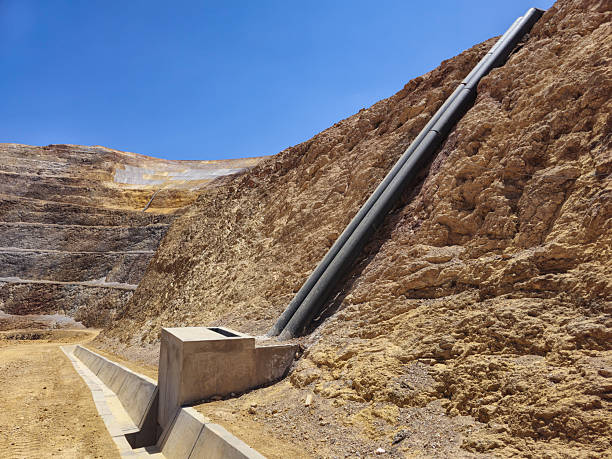
What Is HDPE Pipe Glue and Why It Doesn’t Work
HDPE pipe glue refers to the idea of bonding HDPE pipes using adhesive, similar to how solvent cement is used for PVC. However, this approach doesn’t work in practice.
HDPE has extremely low surface energy, making it resistant to bonding with most adhesives. The material is chemically inert and smooth, so glue cannot grip or melt into the surface to create a seal. Even specially formulated plastic adhesives often fail to form strong, permanent bonds.
In plumbing and industrial use, this makes glue unsuitable for HDPE connections, especially when pressure, temperature changes, or movement are involved.
Key Features of HDPE and Its Joining Requirements
HDPE is valued for its durability, flexibility, and chemical resistance. These same properties, however, make it difficult to bond with glue. Understanding these characteristics helps explain why fusion or mechanical methods are preferred:
- Non-reactive surface: Prevents adhesion without expensive treatment.
- Flexible nature: Requires joints that allow for slight movement.
- High impact resistance: Demands equally tough, fused joints.
- Resistant to corrosion and chemicals: Excellent for long-term use.
These features mean that gluing is not only ineffective but also unnecessary, given better alternatives.
Common Uses of HDPE Piping Systems
HDPE pipes and fittings are used in many sectors due to their strength and adaptability. These systems require reliable, long-lasting connections that glue cannot provide:
- Water supply and distribution
- Agricultural irrigation
- Gas transportation
- Sewage and wastewater management
- Mining and industrial liquid handling
- Electrical and communication conduits
Each of these applications demands connection methods that can withstand pressure, temperature variations, and environmental stress.
Choosing the Right Method Instead of HDPE Pipe Glue
Instead of looking for glue, it's more practical to focus on selecting the appropriate joining technique. Here’s how to choose:
1. Understand System Requirements
Determine whether your system handles high pressure, chemical substances, or needs flexibility. This influences the fitting and connection type.
2. Consider Available Equipment
Fusion techniques require special machines. Mechanical joints may be used when equipment is limited or in temporary systems.
3. Match Pipe and Fitting Material
Always ensure that fittings are made from HDPE or approved compatible materials. Mismatched materials can lead to system failure.
4. Check Standards and Certifications
Look for ISO, ASTM, or other certifications that ensure the quality and reliability of fittings and equipment.
Installation Tips for HDPE Pipe Joining
Proper installation ensures a secure, leak-free system. Here are best practices for each method:
1. Butt Fusion
- Align pipe ends precisely.
- Heat until both ends soften evenly.
- Join under pressure and allow to cool completely.
2. Electrofusion
- Clean the pipe surface thoroughly.
- Insert the pipe into the electrofusion fitting.
- Apply voltage as specified and allow cooling time.
3. Mechanical Fittings
- Use high-quality mechanical couplings with rubber seals.
- Tighten bolts evenly.
- Check for alignment and seal integrity.
4. Flange Connections
- Use flange adapters and backing rings.
- Insert gaskets for a tight seal.
- Torque bolts in a cross pattern.
Avoid using any adhesive or glue during these processes. It won’t add strength or security and may even interfere with sealing.
HDPE Pipe Glue vs. Fusion vs. Mechanical: A Comparison
| Joining Method | Works with HDPE | Pressure Use | Permanent | Tools Needed | Typical Use Cases |
|---|---|---|---|---|---|
| HDPE Pipe Glue | ✘ No | ✘ No | ✘ No | ✘ None | Not recommended |
| Butt Fusion | ✔ Yes | ✔ Yes | ✔ Yes | ✔ Fusion tools | Water, gas, industrial |
| Electrofusion | ✔ Yes | ✔ Yes | ✔ Yes | ✔ Fusion tools | Complex or confined spaces |
| Mechanical Coupling | ✔ Yes | ⚠ Limited | ✘ No | ✘ Simple tools | Repairs, temporary setups |
| Flange Adapter | ✔ Yes | ✔ Yes | ✘ Detachable | ✔ Wrench | Pipe-to-metal connections |
This table shows that glue has no practical place in HDPE pipe installations. Fusion methods remain the most trusted and long-lasting solutions.
Conclusion: Skip the Glue, Choose the Right Method
While it might seem convenient to use glue for HDPE pipes, it’s neither safe nor effective. HDPE’s surface resists adhesives, and any bond formed will be weak and temporary. Instead, professional solutions like butt fusion, electrofusion, and mechanical couplings provide secure and reliable connections.
If you're working with HDPE pipes, always use certified fittings and follow proper installation procedures. Choosing the right method ensures your system performs safely and efficiently for decades—without needing a drop of glue.