

Introduction
HDPE flange adapters serve as critical components that connect HDPE pipes to flanged equipment, valves, or piping systems made of other materials. Because these adapters provide both a strong mechanical connection and ease of installation, they ensure reliable, leak-free joints across diverse industries. In this guide, we will explain the types of HDPE flange adapters, their typical uses, key selection factors, important installation tips, and compare them with other connection methods to help you connect with confidence.
FAQs
1. What exactly is an HDPE flange adapter?
An HDPE flange adapter is a fitting that joins an HDPE pipe to a flange, enabling connection to flanged equipment or piping.
2. What types of HDPE flange adapters are available?
Main types include butt fusion flange adapters, electrofusion flange adapters, and mechanical flange adapters.
3. Where are flange adapters commonly used?
They are widely used in water treatment, gas distribution, chemical plants, and irrigation systems.
4. How do flange adapters facilitate maintenance?
They allow quick disassembly for inspection or repairs without cutting pipes.
5. Are flange adapters compatible with international flange standards?
Yes, they can be manufactured to meet ANSI, DIN, ISO, and other flange standards.
What Are HDPE Flange Adapters?
An HDPE flange adapter typically consists of two parts: a flange—either made of metal or HDPE material—and a spigot end that connects to the HDPE pipe through fusion or mechanical means. This design creates a detachable yet strong connection, combining the flexibility and corrosion resistance of HDPE piping with the standardized connection of flanged components.
The adapters allow HDPE pipelines to integrate seamlessly with other piping systems, valves, pumps, or tanks equipped with flanges, enabling easier assembly, inspection, and maintenance.
Types of HDPE Flange Adapters
1. Butt Fusion Flange Adapters
These adapters are joined to the HDPE pipe by heating and fusing the pipe end to the adapter’s spigot, creating a permanent, leak-proof connection. They are suitable for high-pressure and permanent installations.
2. Electrofusion Flange Adapters
Equipped with built-in electrical heating coils, these adapters use electrofusion technology to melt the pipe and adapter surfaces together, ensuring a strong and reliable joint. This method is especially useful for repairs or confined spaces where butt fusion is difficult.
3. Mechanical Flange Adapters
Mechanical flange adapters use bolts and clamps to connect the flange to the HDPE pipe, often with rubber gaskets to ensure sealing. These adapters allow easy disassembly and reassembly, which is ideal for temporary installations or systems requiring frequent maintenance.
Common Uses of HDPE Flange Adapters
Thanks to their versatility, HDPE flange adapters are commonly used in:
- Water treatment plants, where corrosion resistance and secure connections are critical.
- Gas distribution networks, ensuring leak-free joints in high-pressure systems.
- Chemical processing facilities, due to HDPE’s resistance to many chemicals.
- Agricultural irrigation systems, facilitating flexible and reliable pipeline connections.
- Industrial piping systems, where durability and ease of maintenance are priorities.
These adapters help integrate HDPE piping with equipment from different manufacturers and materials.
How to Choose the Right HDPE Flange Adapter
When selecting an HDPE flange adapter, consider the following factors:
- Material Compatibility: Ensure the flange material matches or suits the operating environment, whether metal or HDPE.
- Pressure Rating: Select adapters rated for the pipeline’s maximum pressure.
- Flange Standards: Confirm the adapter flange matches the required standards (ANSI, DIN, ISO, etc.).
- Connection Type: Decide between butt fusion, electrofusion, or mechanical based on installation conditions and permanence.
- Pipe Size: Ensure the adapter fits the HDPE pipe’s diameter accurately.
Careful selection guarantees durability, safety, and ease of future maintenance.
Installation Tips for HDPE Flange Adapter
Proper installation enhances performance and prevents leaks. Follow these tips:
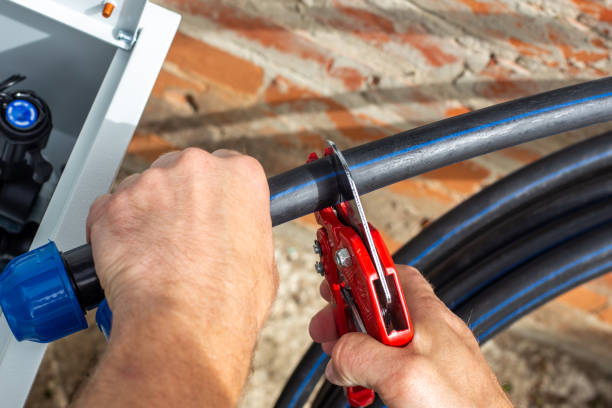
- Prepare Pipe Ends: Clean and cut pipe ends squarely, removing dirt and oxidation.
- Fusion Methods: For butt fusion or electrofusion adapters, follow manufacturer guidelines for heating, joining, and cooling times. Ensure precise alignment during fusion to avoid weak joints.
- Mechanical Installation: For mechanical adapters, position gaskets correctly and tighten bolts evenly in a crisscross pattern to ensure uniform sealing.
- Pressure Testing: After installation, conduct pressure testing to detect leaks before system commissioning.
- Regular Inspection: Periodically check flange connections for wear, corrosion, or loosening, especially in high-vibration environments.
HDPE Flange Adapters vs Other Connection Methods
| Feature | HDPE Flange Adapters | Butt Fusion Only Connections | Mechanical Couplings |
|---|---|---|---|
| Ease of Maintenance | High (easy disassembly) | Low (permanent joint) | High (disassemblable) |
| Installation Time | Moderate | Longer (fusion process) | Quick |
| Pressure Resistance | High | Very High | Moderate |
| Leak Resistance | High | Very High | Moderate |
| Flexibility | Good (with flange separations) | Low | Good |
Flange adapters offer a balance of reliability and serviceability, making them suitable for systems requiring periodic maintenance or equipment changes.
Conclusion
In conclusion, HDPE flange adapters provide a reliable, flexible, and practical solution for connecting HDPE pipes to flanged equipment. By understanding their types, typical applications, selection criteria, and proper installation techniques, you can ensure secure and leak-free connections that stand the test of time. Whether you need permanent joints or easy-to-maintain connections, HDPE flange adapters help you connect with confidence.