
1. Introduction: The Safety Edge of Silicone Braided Hose
When it comes to fluid transport in high-temperature or high-pressure environments, safety becomes the top priority. That’s where silicone braided hoses stand out. Their robust construction and excellent resistance to extreme temperatures, chemicals, and pressure variations make them a go-to choice for many industries. This article explores the safety benefits of silicone braided hoses, helping you understand why they are trusted in sensitive applications like pharmaceuticals, food processing, and high-tech manufacturing. From their basic structure to real-world applications, this guide highlights everything you need to know about their role in secure and reliable fluid handling.
2. Frequently Asked Questions (FAQ)
Q1: Are silicone braided hoses safe for use with drinking water?
Yes, food-grade silicone braided hoses are non-toxic and certified for use with potable water, ensuring no harmful substances leach into the water supply.
Q2: How do silicone braided hoses handle high temperatures safely?
Silicone has excellent thermal resistance, and the braided reinforcement allows the hose to maintain shape and strength under temperatures ranging from -60°C to 200°C, depending on the grade.
Q3: Can silicone braided hoses resist chemical corrosion?
Absolutely. These hoses resist a wide range of acids, bases, and solvents, making them safe in environments where chemical exposure is common.
Q4: Are silicone braided hoses flame-resistant?
While not all are flame-retardant, many are formulated with flame-resistant materials and meet strict fire safety standards, particularly in medical or electronic industries.
Q5: What makes braided reinforcement important for hose safety?
The inner braid—often made from polyester or stainless steel—strengthens the hose, prevents bursting under pressure, and reduces the risk of accidents or leaks.
3. What Is a Silicone Braided Hose?
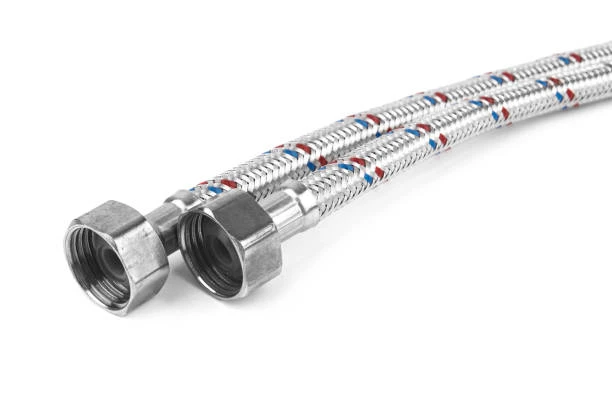
A silicone braided hose is a flexible tubing system composed of a silicone rubber body reinforced with a braided inner layer. This design blends the flexibility and heat resistance of silicone with the strength and pressure tolerance of braided reinforcement.
Silicone, a synthetic elastomer, is inherently resistant to temperature extremes, UV radiation, and many chemicals. The braided core, typically made of polyester or stainless steel mesh, gives the hose superior tensile strength and burst resistance. These hoses are available in various diameters, wall thicknesses, and grades (medical, food, industrial), tailored to specific applications.
4. Key Safety Features of Silicone Braided Hoses
Understanding what makes silicone braided hoses safe begins with recognizing their built-in features:
- Non-toxic and odorless: Medical- and food-grade variants meet FDA and USP Class VI standards, ensuring zero contamination.
- Thermal stability: These hoses remain stable and safe in extreme temperature conditions, ideal for high-heat environments like sterilization or engine bays.
- High pressure resistance: The braided layer prevents expansion and bursting, even under significant internal pressure.
- Kink and abrasion resistance: They maintain internal flow without collapsing and withstand physical stress from movement and friction.
- Flame retardant options: For high-risk environments, certain versions are formulated to reduce flammability.
- Chemical inertness: Silicone resists oxidizers, acids, alkalis, and solvents, enhancing safety in aggressive environments.
Each of these features plays a vital role in minimizing operational hazards, leakage, contamination, or system failure.
5. Where Safety Meets Function: Common Applications
Silicone braided hoses are used in numerous industries where safety and cleanliness are paramount. Their structure and material properties make them suitable for:
- Medical and pharmaceutical fields: Used in devices that transport oxygen, IV fluids, or sensitive chemicals, thanks to their biocompatibility and sterilization resistance.
- Food and beverage processing: Ideal for transferring liquids like milk, juice, or syrups, ensuring hygiene and non-reactivity.
- Automotive systems: Used for vacuum lines, coolant systems, and turbocharger connections where pressure and heat vary significantly.
- Laboratory and chemical processing: Provide safe passage for reactive or high-purity fluids without contamination risks.
- Electronics manufacturing: Their insulation properties and flame resistance make them safe in precision electronics production.
By ensuring a secure and contamination-free transport of fluids and gases, silicone braided hoses enhance both safety and operational efficiency in these sectors.
6. How Silicone Braided Hoses Minimize Risk
The importance of silicone braided hoses extends beyond basic functionality. They actively prevent hazards in critical ways:
- Preventing system failure: The reinforced braid prevents hose collapse, bursting, or detachment under pressure fluctuations.
- Reducing fire hazards: Flame-retardant materials help limit the spread of fire, an essential feature in enclosed machinery or medical spaces.
- Ensuring purity: Their inert and non-reactive nature eliminates the risk of cross-contamination in food and pharmaceutical use.
- Improving operational longevity: Their durability lowers the chance of wear-related accidents, reducing the need for frequent replacement.
- Maintaining flow consistency: Their kink resistance and dimensional stability support reliable system operation under pressure or vacuum conditions.
For industries that require precision, hygiene, and safety, these hoses provide peace of mind and regulatory compliance.
7. Choosing the Right Hose for Your Safety Needs
Selecting the correct silicone braided hose depends on your specific application and risk factors. Consider the following:
- Temperature range: Choose a hose that can withstand your system’s operating temperatures.
- Pressure rating: Verify the hose's burst and working pressure ratings for your intended fluid or gas.
- Certification: For sensitive uses, look for hoses certified by FDA, NSF, or USP standards.
- Material compatibility: Ensure the hose is chemically compatible with the substances it will carry.
- Flame resistance: In fire-prone areas, opt for flame-retardant hose variants.
By aligning hose specifications with your operating conditions, you reduce the chance of malfunction and increase safety levels across your operations.
8. Conclusion: Why Silicone Braided Hoses Are Essential for Safety
Silicone braided hoses are more than just flexible tubes—they are key safety components in many industries. Their combination of temperature resistance, chemical inertness, and structural strength provides a reliable solution where safety is non-negotiable. From sterile hospital settings to demanding industrial lines, these hoses support secure, consistent performance under pressure.
Their braided structure ensures they won’t burst, kink, or degrade easily, which lowers the risk of accidents or contamination. Whether you're working in food production, medical applications, or high-tech manufacturing, investing in high-quality silicone braided hoses ensures both operational integrity and human safety.
If you're sourcing for reliability and long-term performance, silicone braided hoses are a smart and safe choice.